Article
The river trip takes you past the most famous wineries in the world in the Bordeaux region. We sail on 3 rivers and visit the medieval cities of La Rochelle and Rochefort on the Atlantic coast and visit the European stronghold of oyster farming in Arcachon with the largest shifting dune in Europe.
Journey Timeline
Day 1 - Arrival in Bordeaux and embarkation on the Cyrano de Bergerac
Departure from Zurich-Kloten
I set off from Zurich-Kloten to Bordeaux with 34 guests. Water bottles and sweet drinks have now also been allowed to be taken through security at Zurich Airport, as the modern scanners are now finally in use. In addition, laptops, power banks and other electronic devices no longer have to be taken out of hand luggage. This makes the control much more pleasant - and in the end you get through it quicker. (Until the end All security scanners should be replaced by July)
However, the gate information developed into a small vita course. At first it was called Gate A54, shortly afterwards it was changed to A75. I met the first four guests there, then no one again for a long time. A little later the next message followed: The flight was delayed and should now take off from Gate A63.
Since I always wear my red denim jacket as an identification mark on the first day of the trip, it was easy for the guests to spot me. Our plane finally took off about an hour late.
The almost hour and a half flight to Bordeaux flew by. The airport there is pleasantly manageable - you can't really get lost. After all guests had collected their luggage, we went together to the arrivals hall, where our local tour guide Astrid was already waiting for us.
The French customs officers carried out spot checks and of course I was waved out. After a few explanations about what I was doing in France, the customs officer finally waved me on without me having to open my suitcase. I didn't really have anything to declare anyway. At most, my kilogram of Swiss chocolate could have been a topic of conversation. I always have them with me when I travel - after all, small diplomatic gestures are sometimes necessary to get the crew on your side.
Bordeaux city tour
Since we arrived in Bordeaux an hour late, the planned city tour would only have taken around 90 minutes. That's why I asked the ship if we could check in at 6 p.m. instead of 5 p.m. Fortunately, this was possible without any problems.
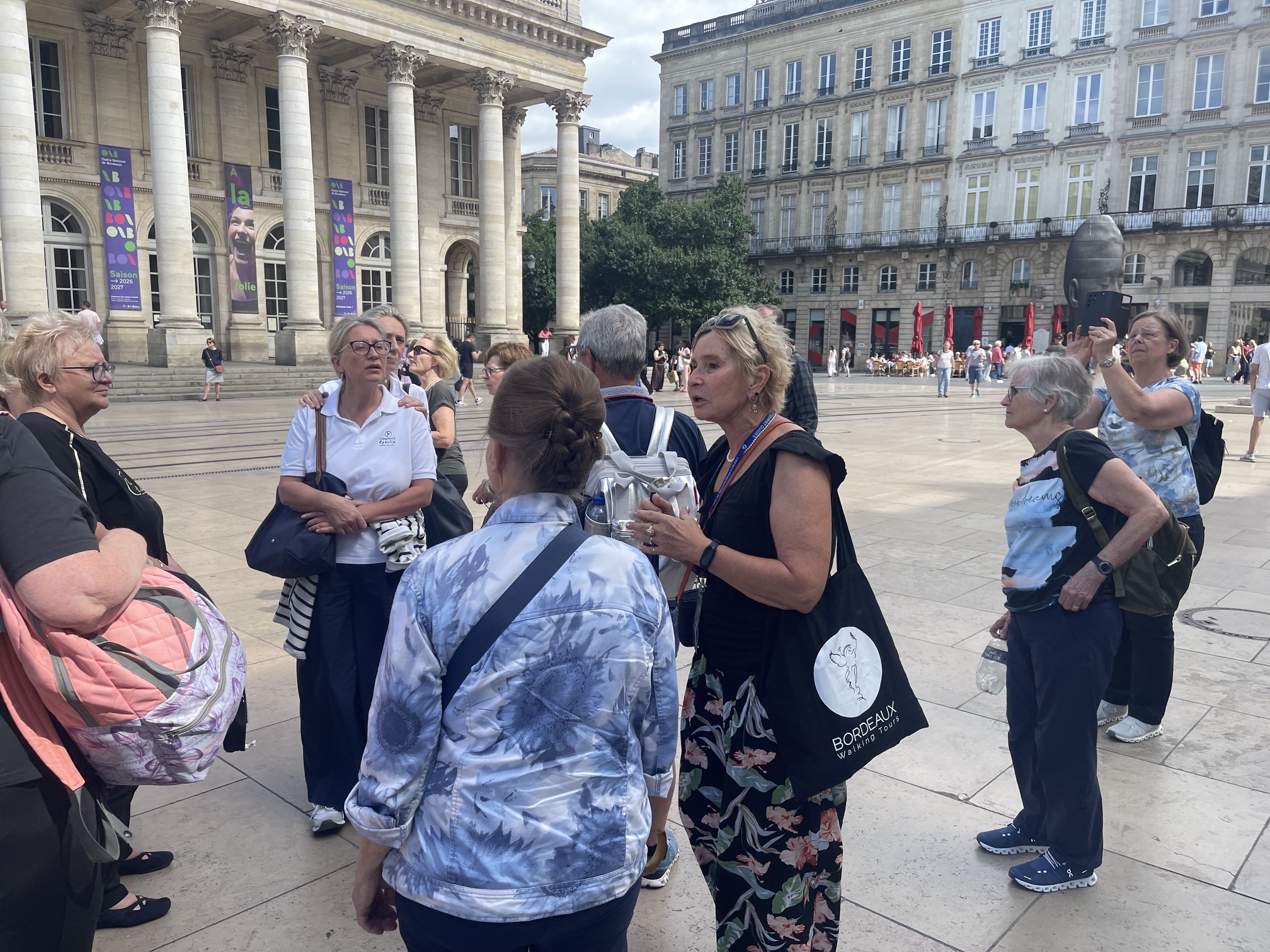
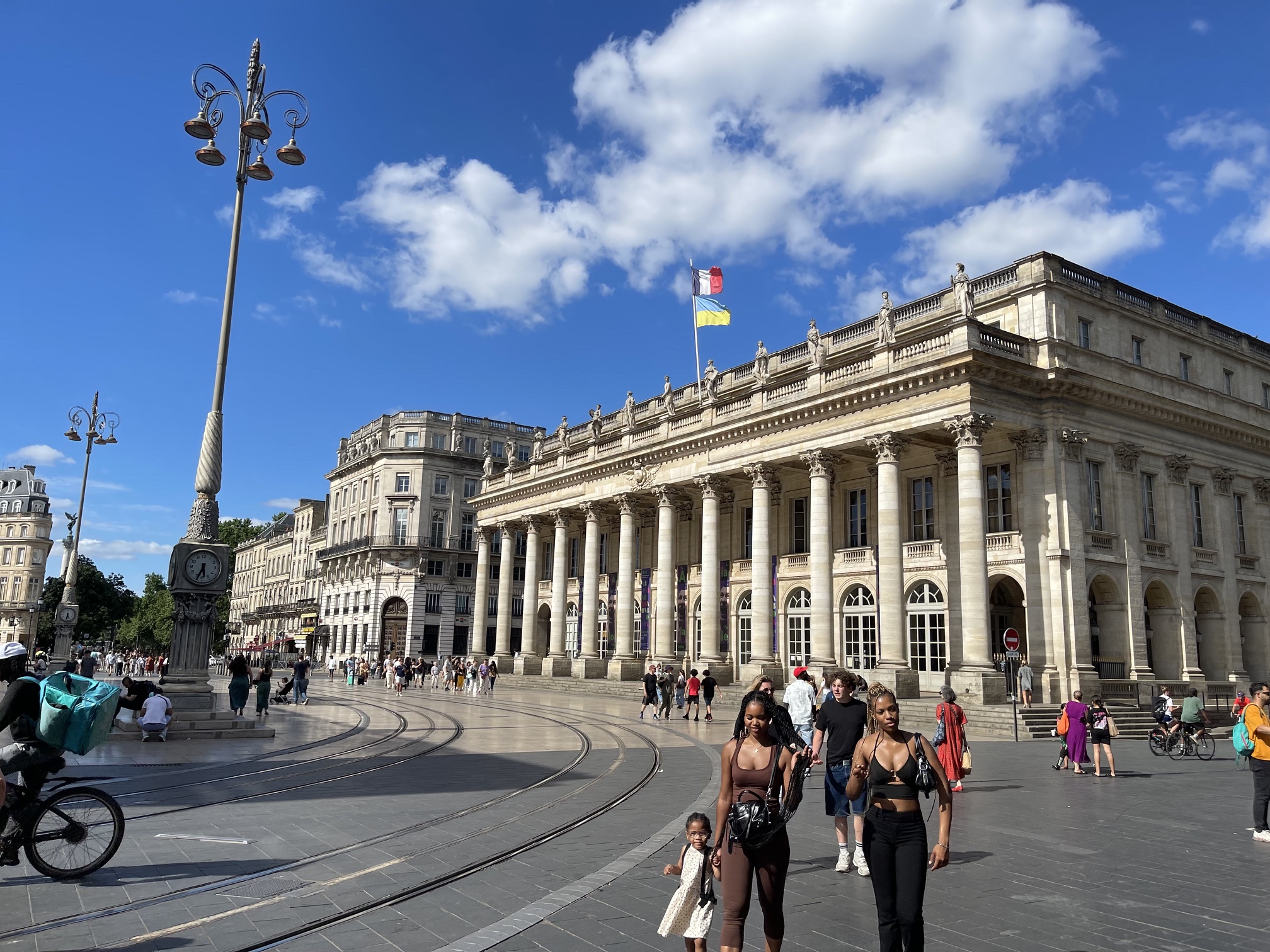
So we were able to do the city tour and the subsequent walk as planned. Bordeaux is a truly beautiful city. With its elegant boulevards, magnificent facades and lively shopping streets in the old town, it is reminiscent of Paris in places. This gave us a first impression of this fascinating city before we continued on to our ship.
Embarkation
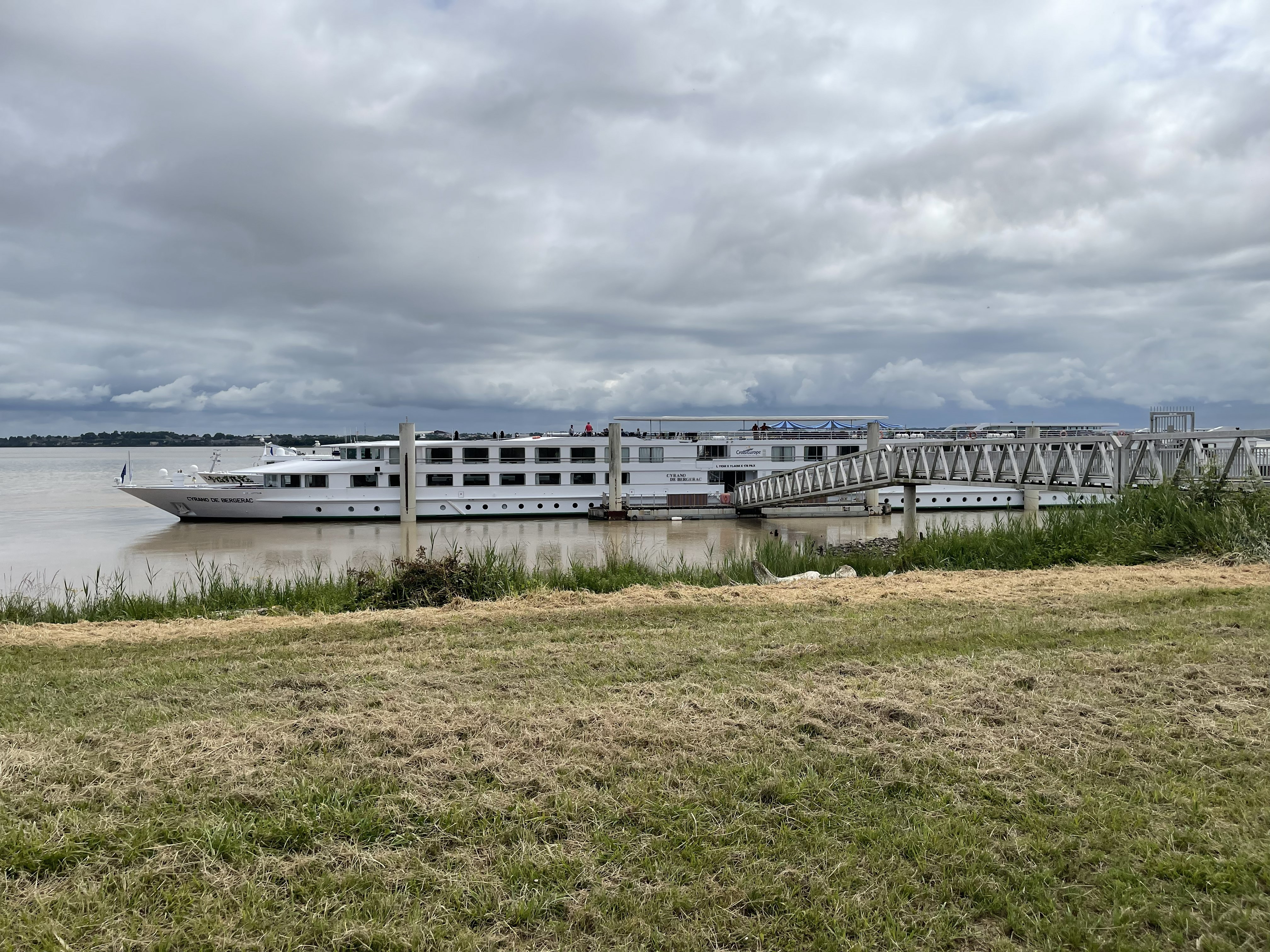
The Cyrano de Bergerac, our CroisiEurope river cruise ship, was already waiting for us. Check-in took a few minutes as three tour buses arrived at the same time. But we were soon on board. The crew had already placed the suitcases in the reception area and accompanied the guests directly to their cabins.
For me it was then time to discuss the seating arrangements and the program for the coming days together with the cruise director and the chef de service. I then went on a short journey of discovery through the ship to familiarize myself with all the rooms.
The first dinner began at 7 p.m. after a short greeting of the most important crew members. On CroisiEurope's ships there is a uniform menu and a vegetarian alternative. The big plus point on board, however, is that all drinks are included in the price of the trip - with the exception of a few exclusive spirits.
The guests took their permanent seats. This is always an exciting moment because you sit with the same table neighbors throughout the week. This often leads to interesting conversations, new acquaintances and often even friendships.
River cruise to Fort de Médoc
During dinner it was time to “cast off” for the first time. The Cyrano de Bergerac slowly set off and glided on the Garonne towards the Atlantic coast. The large panoramic windows always offered beautiful views of the passing landscape. So you could soak up the special feeling of a river cruise on the first evening.
The first section from Bordeaux to Fort Médoc took around two hours. We covered around 32 kilometers on the Garonne and Gironde.
The dinner was excellent, and after the long day of travel most guests soon headed to their cabins.
We spent the night on a quiet jetty right in front of the Fort Médoc fortifications. The fortress was built around 1689 under the famous fortress architect Vauban. It was part of a sophisticated defensive system designed to control the Gironde estuary and protect Bordeaux and its important port from enemy attacks from the water.
This is how our first day of travel ended - with a quiet night in a place steeped in history and full of anticipation for the coming discoveries in the Médoc.
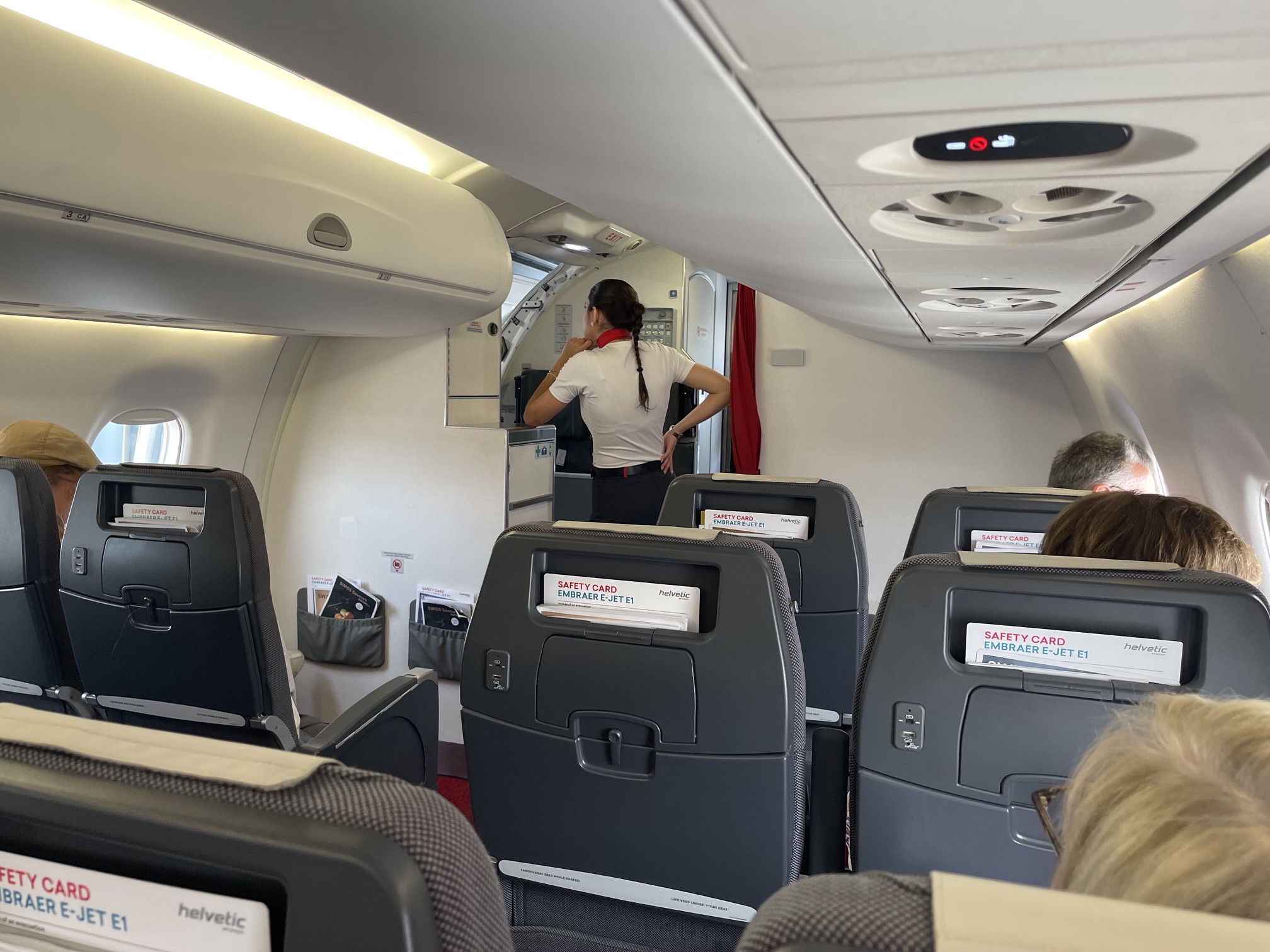
On the plane to Bordeaux
Above the clouds
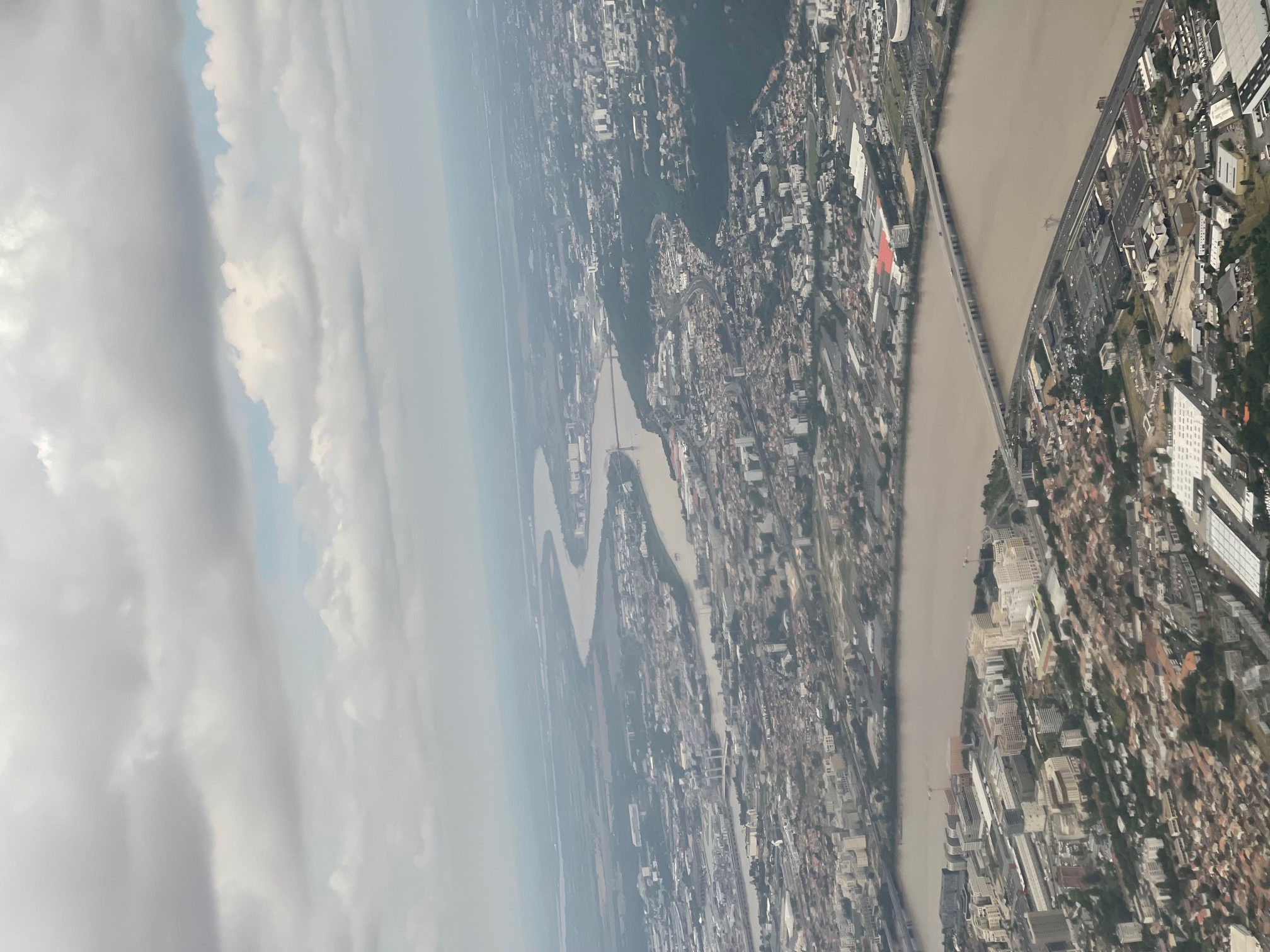
and shortly before landing in Bordeaux
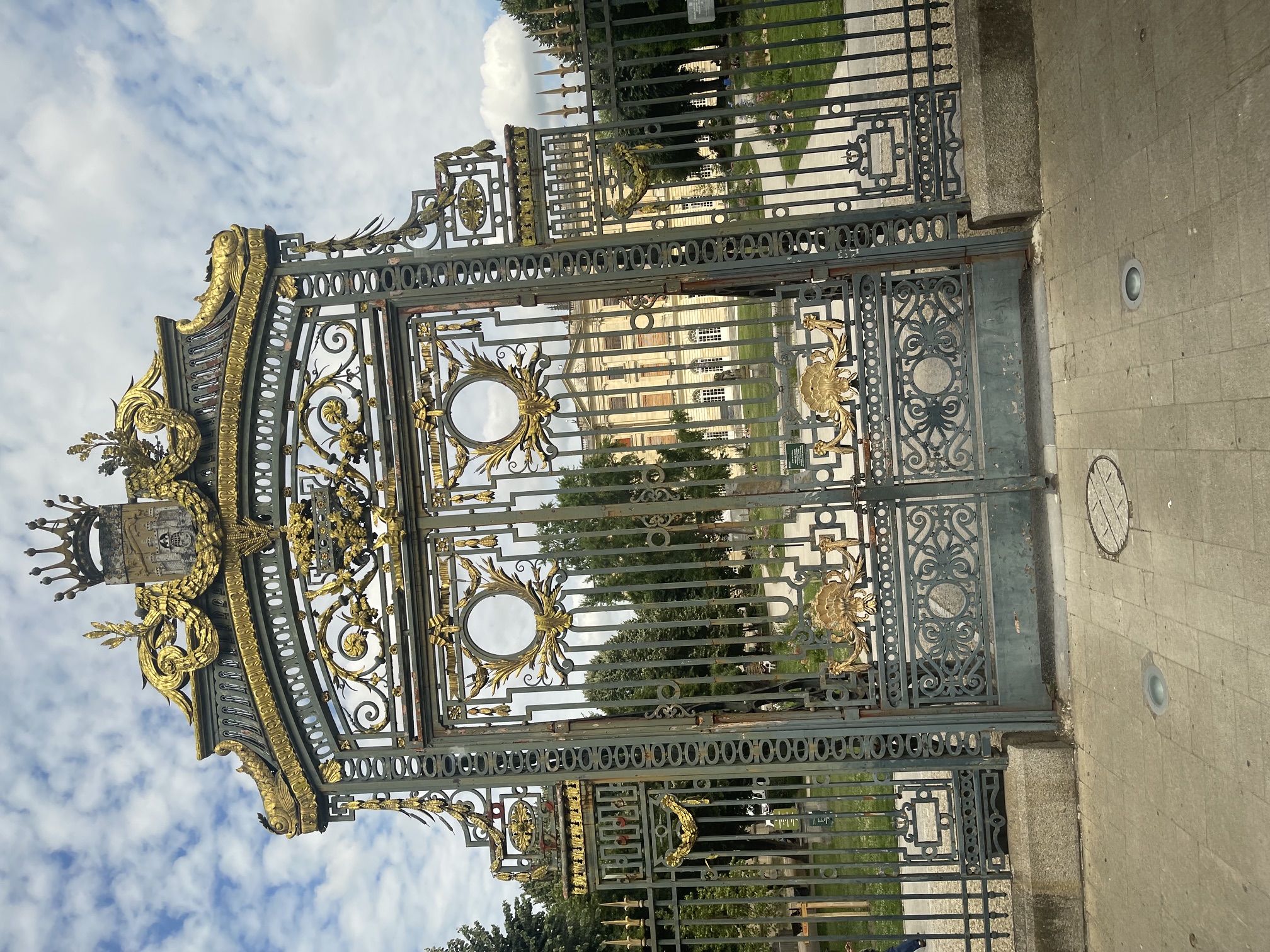
City tour of Bordeaux
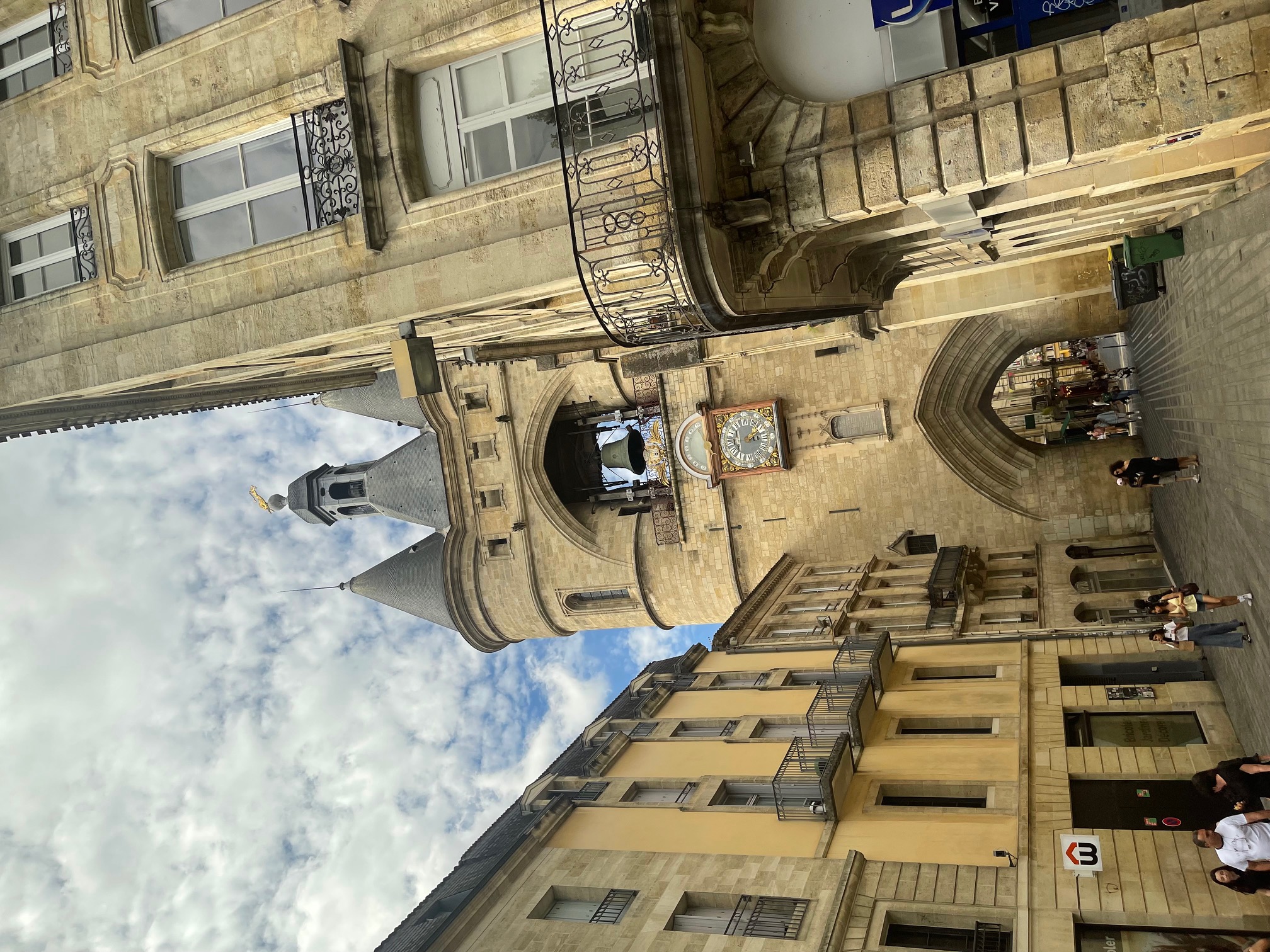
Bordeaux old town
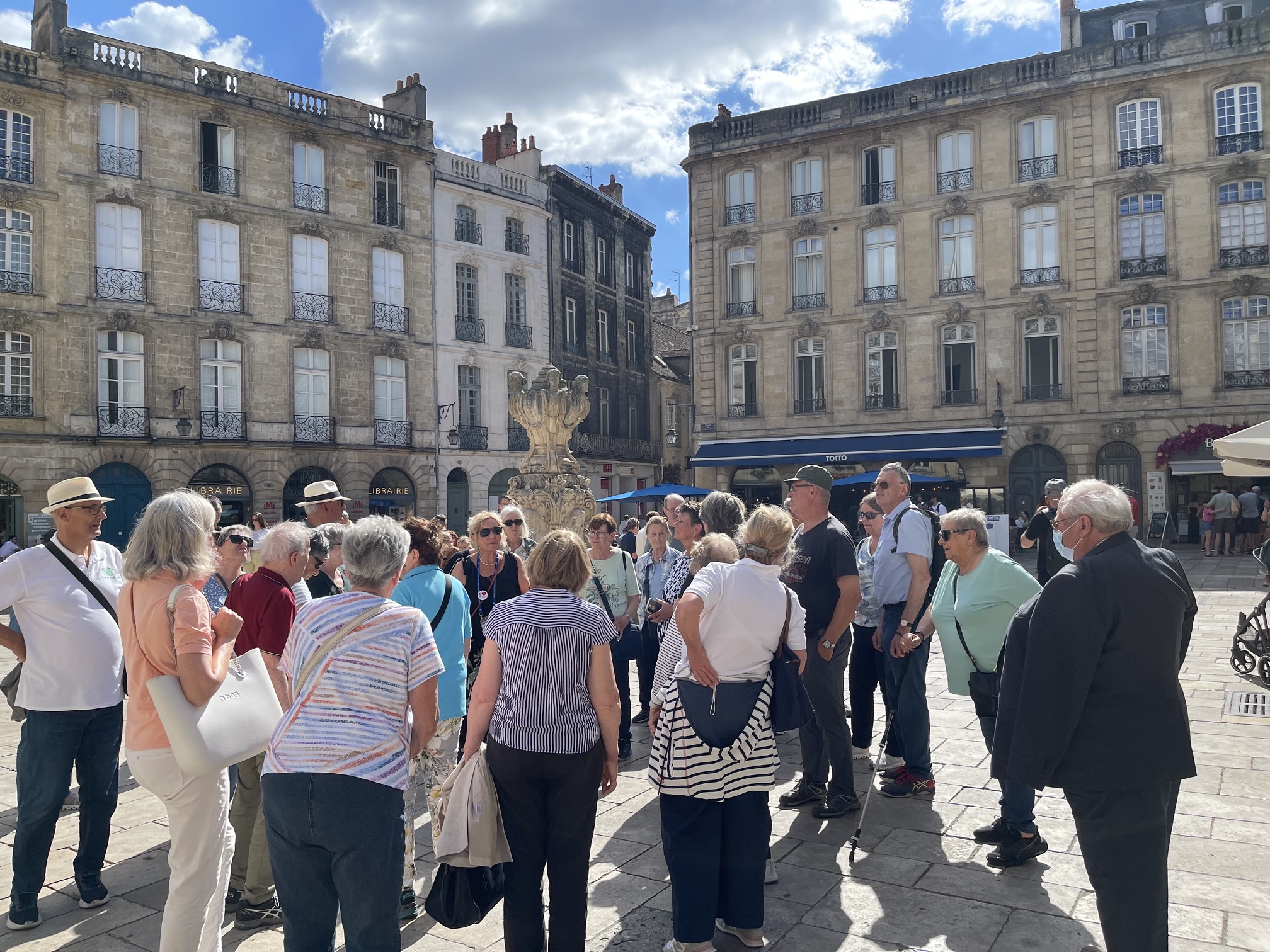
Interesting stories about Bordeaux
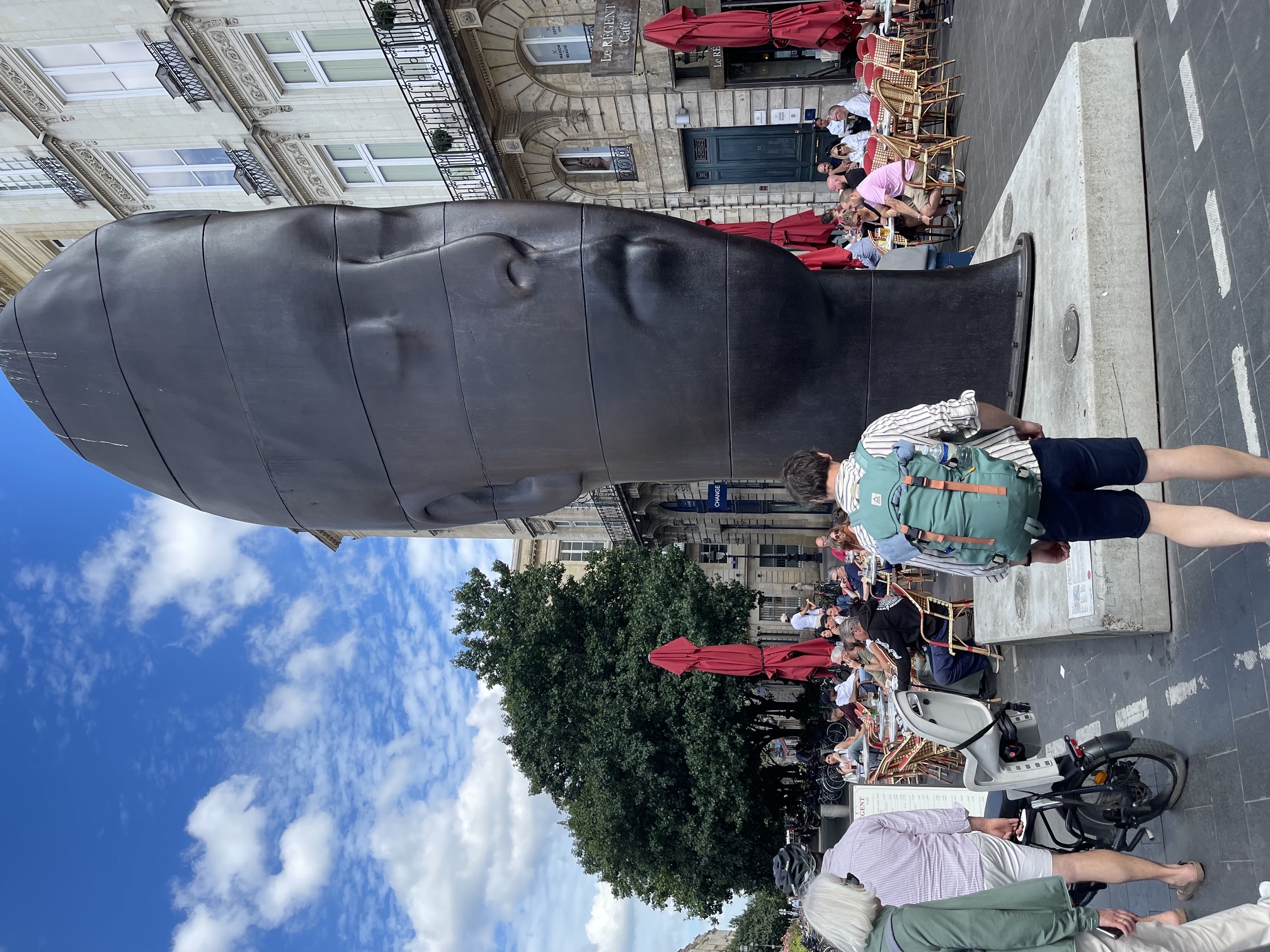
Sculpture by Jaume Plensa on the Place de la Comédie
In the background is the Grand Théâtre, one of the oldest in Europe
On the Bordeaux Corniche
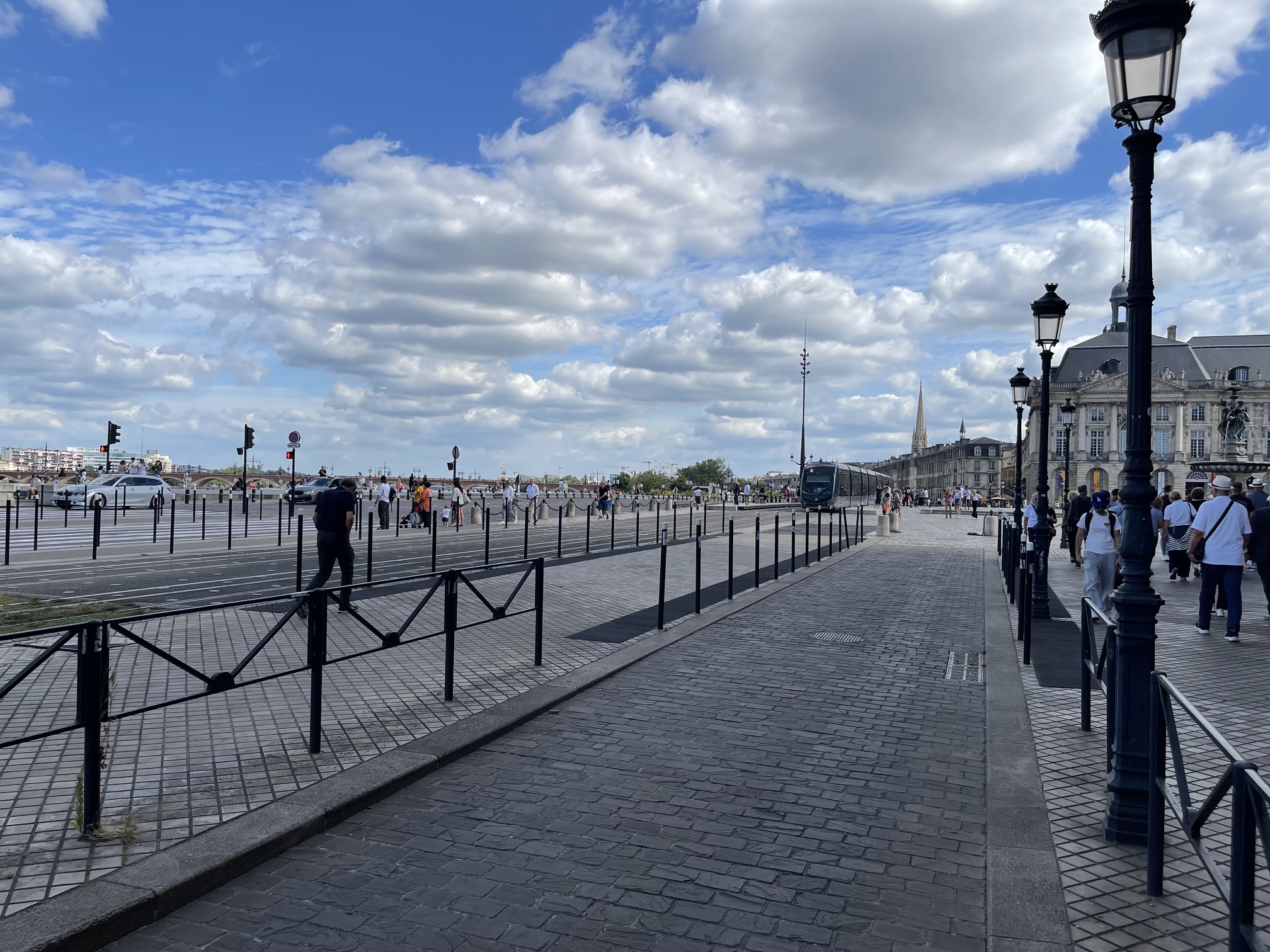
a long promenade along the Garonne
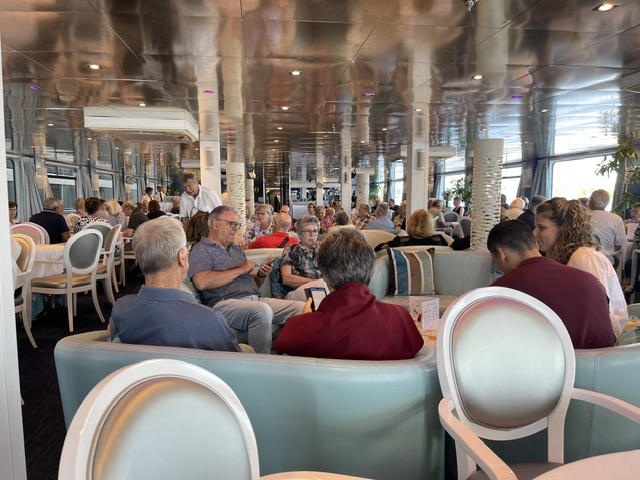
Information cocktail on the ship
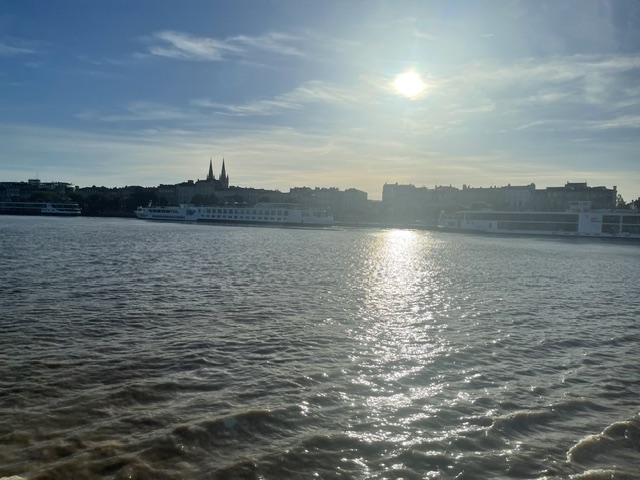
Let's cast off and head towards the sea
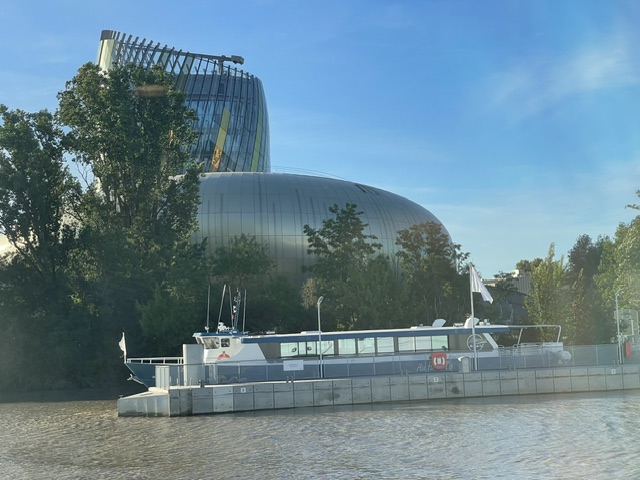
... past the Cité de vin
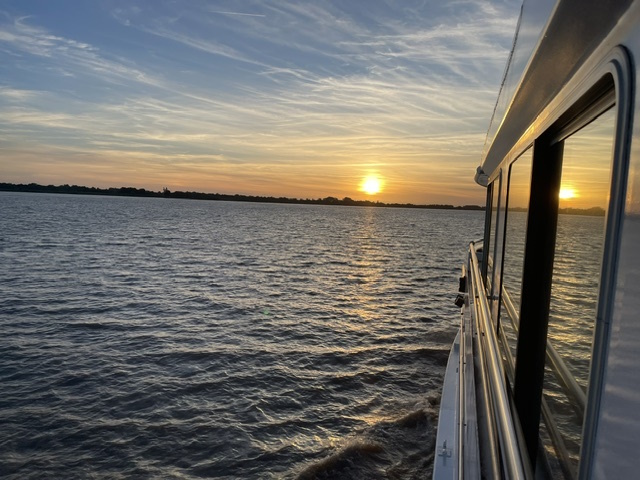
into the sunset
Day 2 Visit to the Medoc wine region and onward journey to the seaside town of Royan
Médoc wine region
The second day of travel took us on our first journey of discovery through the famous Médoc wine-growing region in the morning.
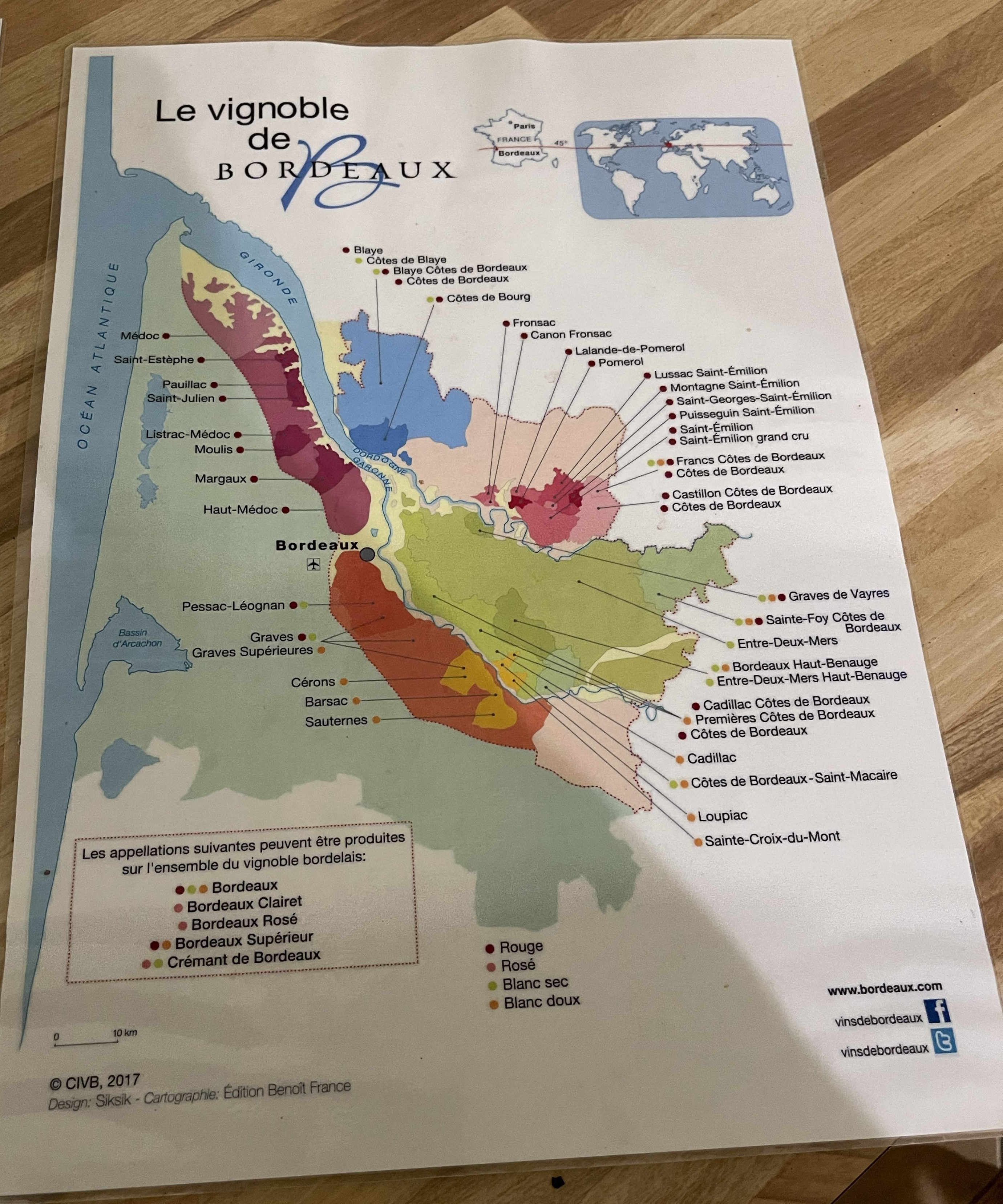
The Médoc lies on the left bank of the Gironde and stretches from Bordeaux up to the Atlantic coast. The vines for some of the most famous red wines in the world grow here on around 16,000 hectares. The typical soils made of gravel, sand and clay offer ideal conditions for viticulture. In total, there are over 250 independent wineries in the Médoc, spread across eight different appellations.
Anyone who deals with Bordeaux wines cannot ignore the famous classification from 1855. For the world exhibition in Paris, Emperor Napoleon III. rank the most important wineries in the region. This resulted in the classification of the “Grands Crus Classés” into five quality levels, which is still valid today – from the Premiers Crus to the Cinquièmes Crus. A total of 61 wineries made it onto this prestigious list.
The weather was typically changeable this morning. As the trip progressed, we discovered that you can experience practically all weather conditions here in a single day: sunshine, clouds, rain showers and shortly afterwards bright blue skies again.
We took the bus past countless vineyards, well-known names and lesser-known family businesses. Vines as far as the eye can see, interrupted by magnificent estates. In this region, the wineries are called “château” – even if there is no castle on them.
Our dynamic local tour guide provided us with lots of exciting information about the history and special features of the Médoc during the trip. The destination of our excursion was the Château Maucaillou winery.
Wine tasting
A wine tasting awaited us there with two very different vintages: a young wine from 2023 and a significantly mature wine from 2014. The difference was impressive. While the young wine still seemed fresh and powerful, the older vintage already showed a significantly more complex aroma and more depth.
The château also has a lovingly designed museum. There we were able to understand how corks were made in the past and how the famous wine barrels in which many Bordeaux wines matured were made from oak wood. Overall, this was an extremely successful visit with many interesting impressions.
We then drove back to our ship, which was still in the immediate vicinity of Fort Médoc. Together with other fortifications on the Gironde, this building is now a UNESCO World Heritage Site.
Continue to Royan
As soon as we were back on board, it was time to “raise anchor” again. The Cyrano de Bergerac headed downstream towards the Atlantic and headed for the popular seaside resort of Royan.
For the second time we were able to enjoy the special atmosphere of this trip. The trip on the Gironde sometimes feels more like a small sea voyage than a classic river trip. The weather was pleasant and the temperatures were ideal for sitting on the sundeck and watching the landscape go by.
Although the Gironde is comparatively short at around 75 kilometers, it becomes increasingly wider towards the Atlantic coast. In some sections it reaches a width of up to 15 kilometers. This makes the water surface almost look like an inland sea in places.
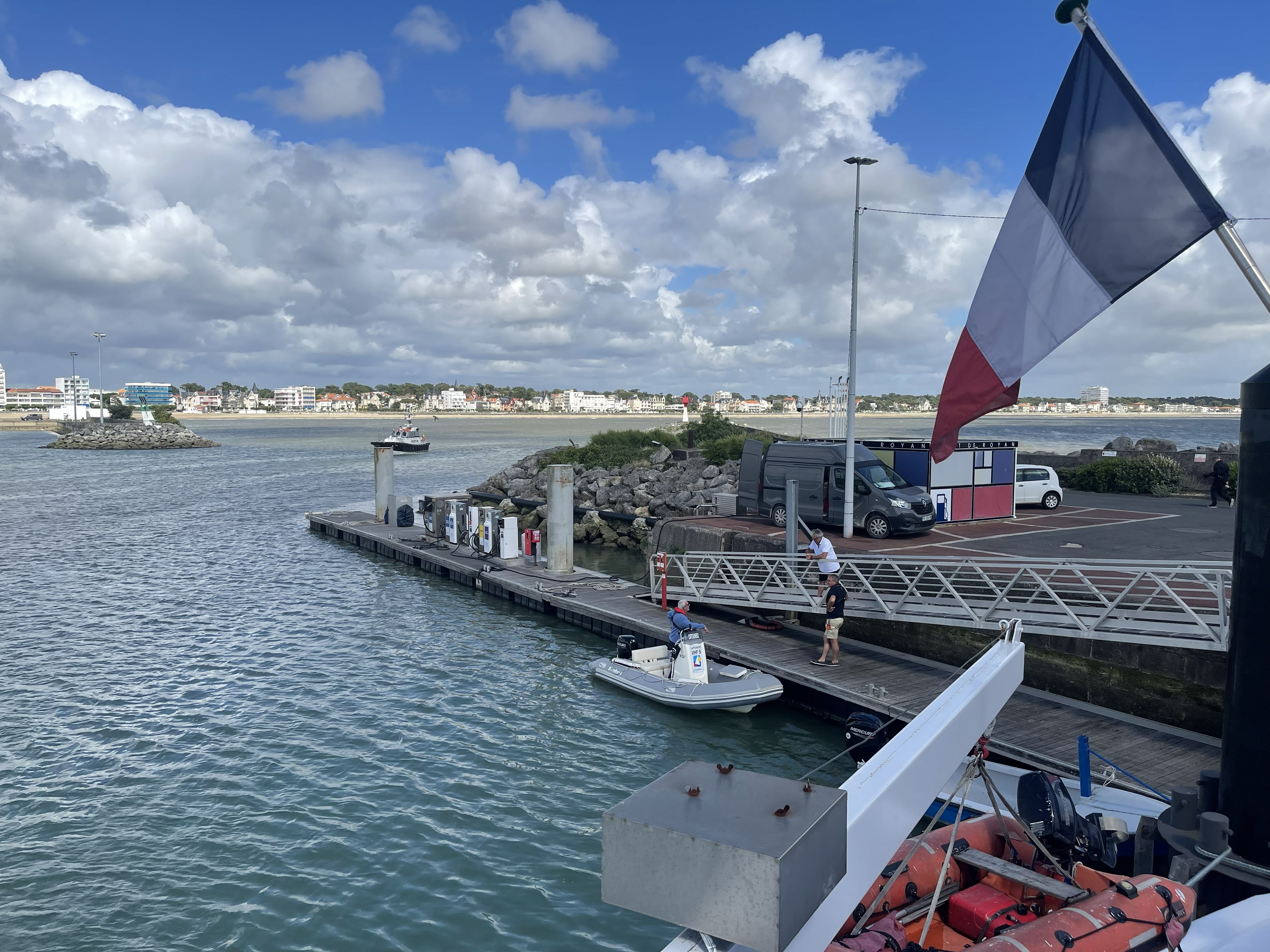
The entrance to Royan was particularly impressive. For this maneuver, a pilot had to come on board to safely navigate the ship through the narrow harbor entrance. Not an easy task considering that the Cyrano de Bergerac is around 110 meters long.
Royan city tour
On an entertaining city tour we were shown the most beautiful sights of Royan. Above all the Notre Dame church as a symbol of the reconstruction of the city after World War II.
We finally spent the night in the port of Royan.
As every evening, the dinner opened with brief information in three languages in the large lounge. The cruise management presented the program for the next day and at the same time gave an outlook on the upcoming menu.
It is precisely this international mix that makes a trip with CroisiEurope so special. Unlike many Swiss ships, guests from different countries travel together here. This ensures a lively atmosphere and interesting encounters on board.
The crew went to great lengths to provide guests with first-class service. In the restaurant in particular, the employees impressed with their attentiveness, friendliness and efficiency.
We were also spoiled culinary again. Although only one menu and a vegetarian alternative are offered every day, the meals were excellently put together. With a starter, main course and dessert, each dinner offered a balanced and tasty composition.
This was the end of a varied day between famous vineyards, historic fortresses and impressive river landscapes.
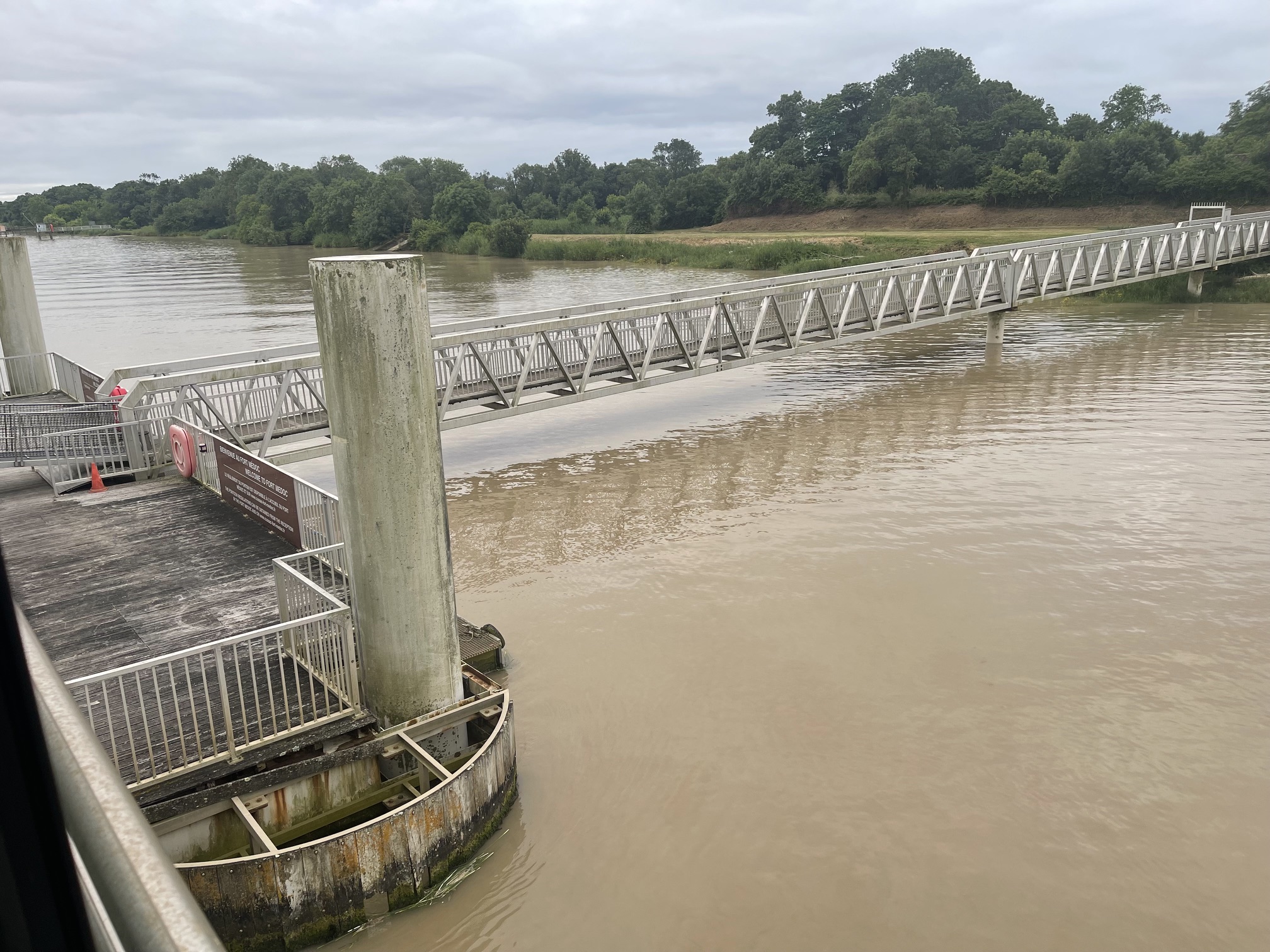
Jetty at Fort Médoc
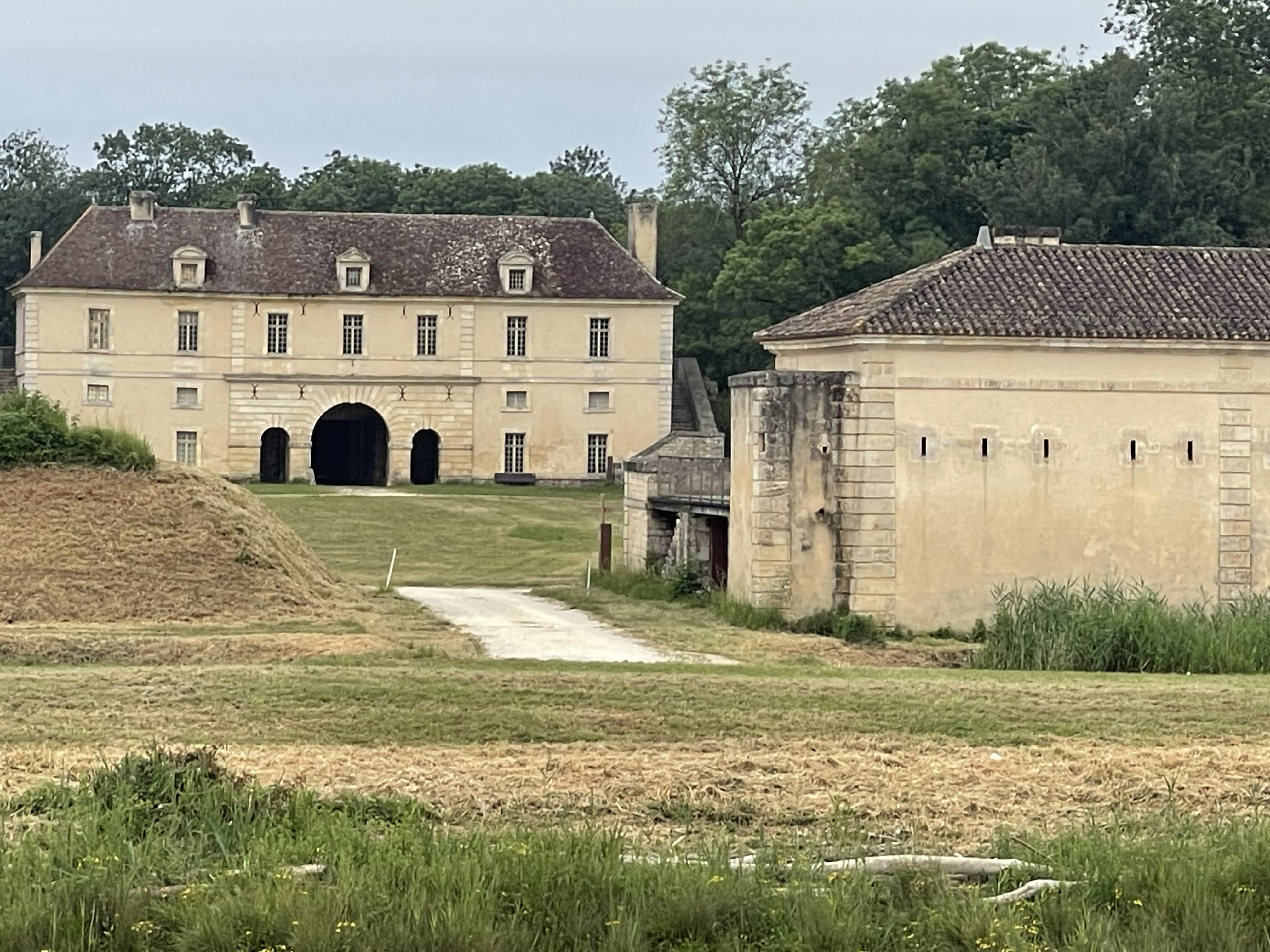
Soldiers have been guarding the Gironde since 1694
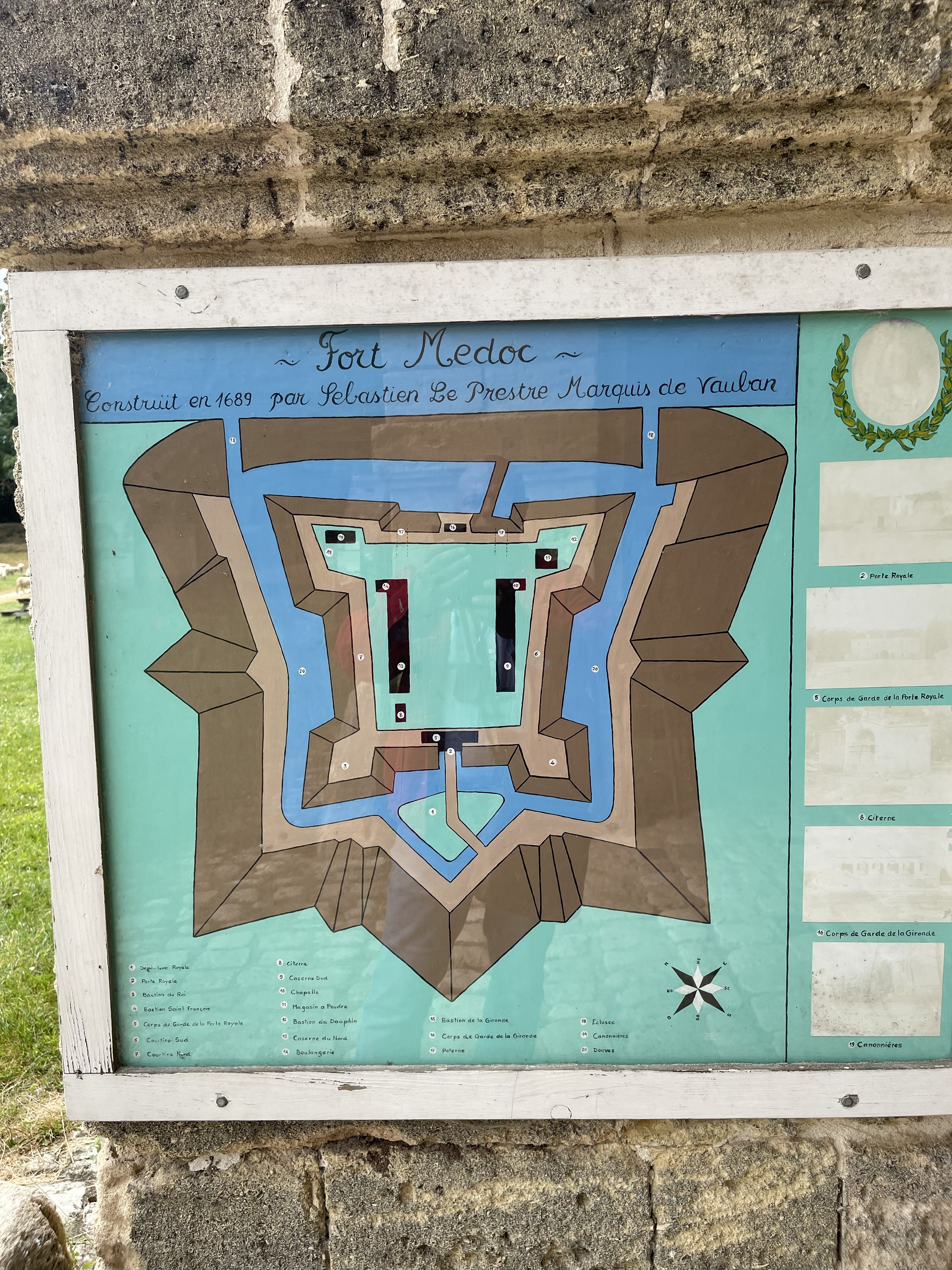
surrounded by swamps, malaria and boredom
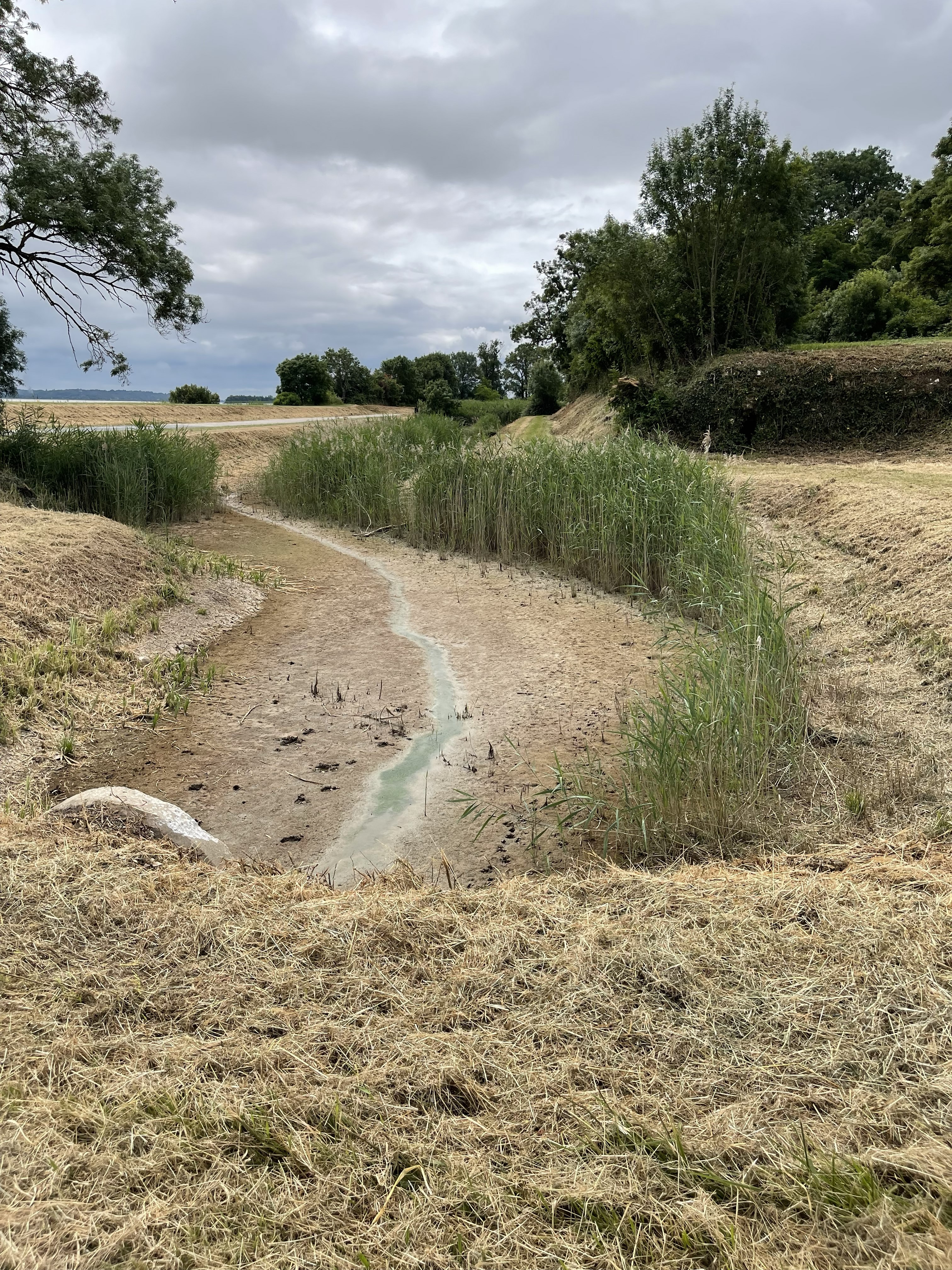
Digging away is just a trickle
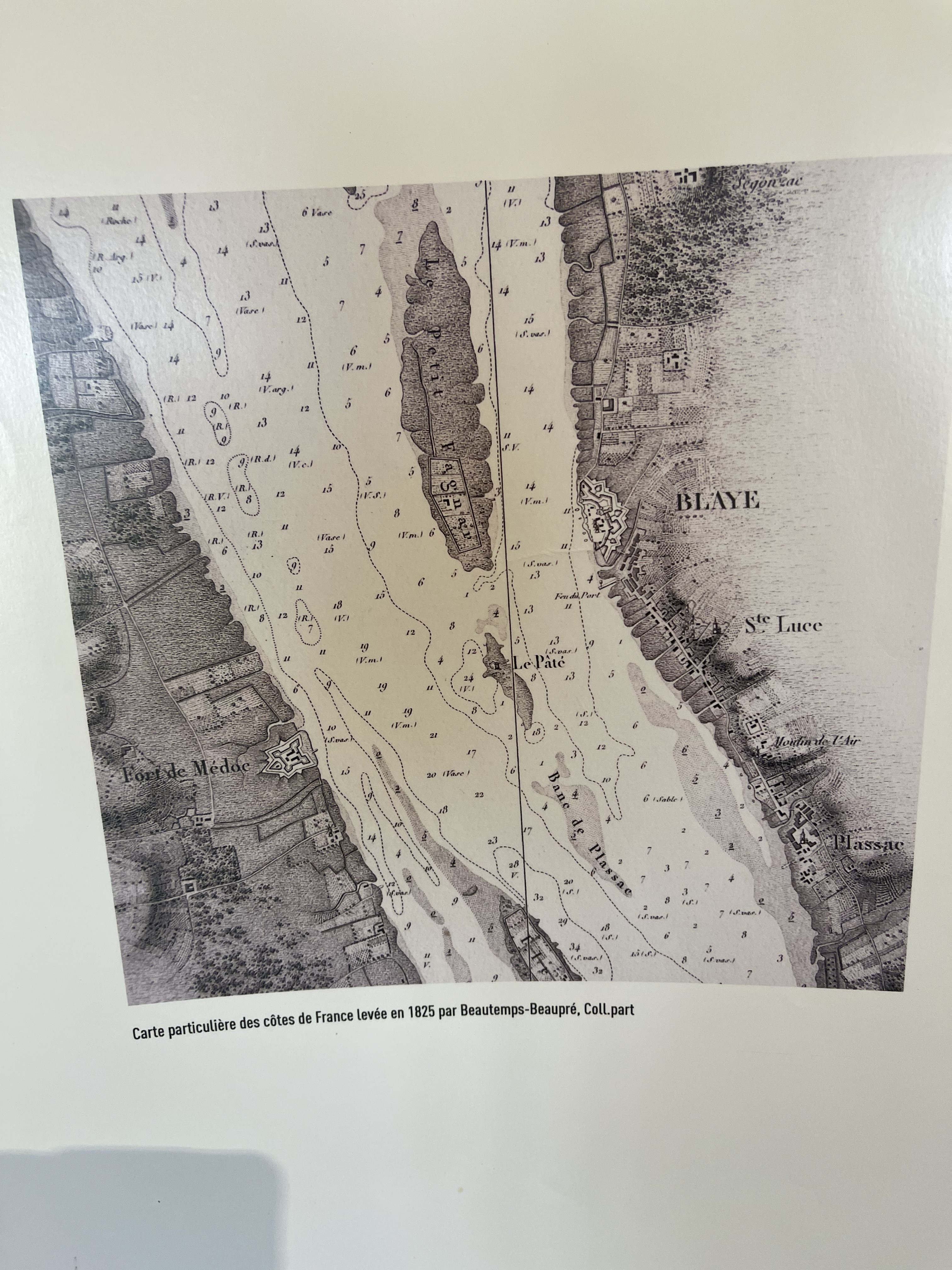
Fort de Médoch is opposite Blaye, where there is also a fort guarding the Gironde
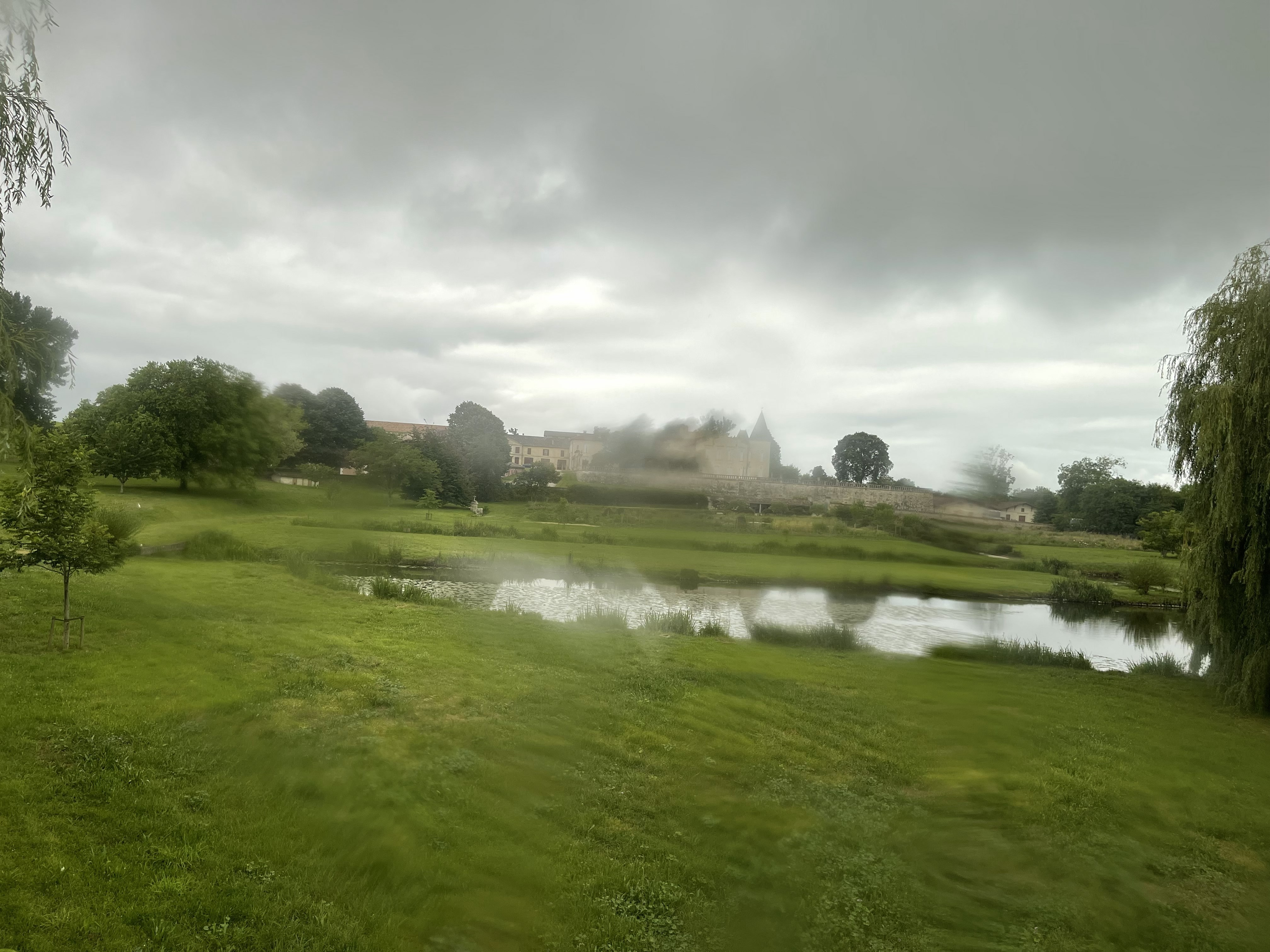
Méoch wine region rainy morning
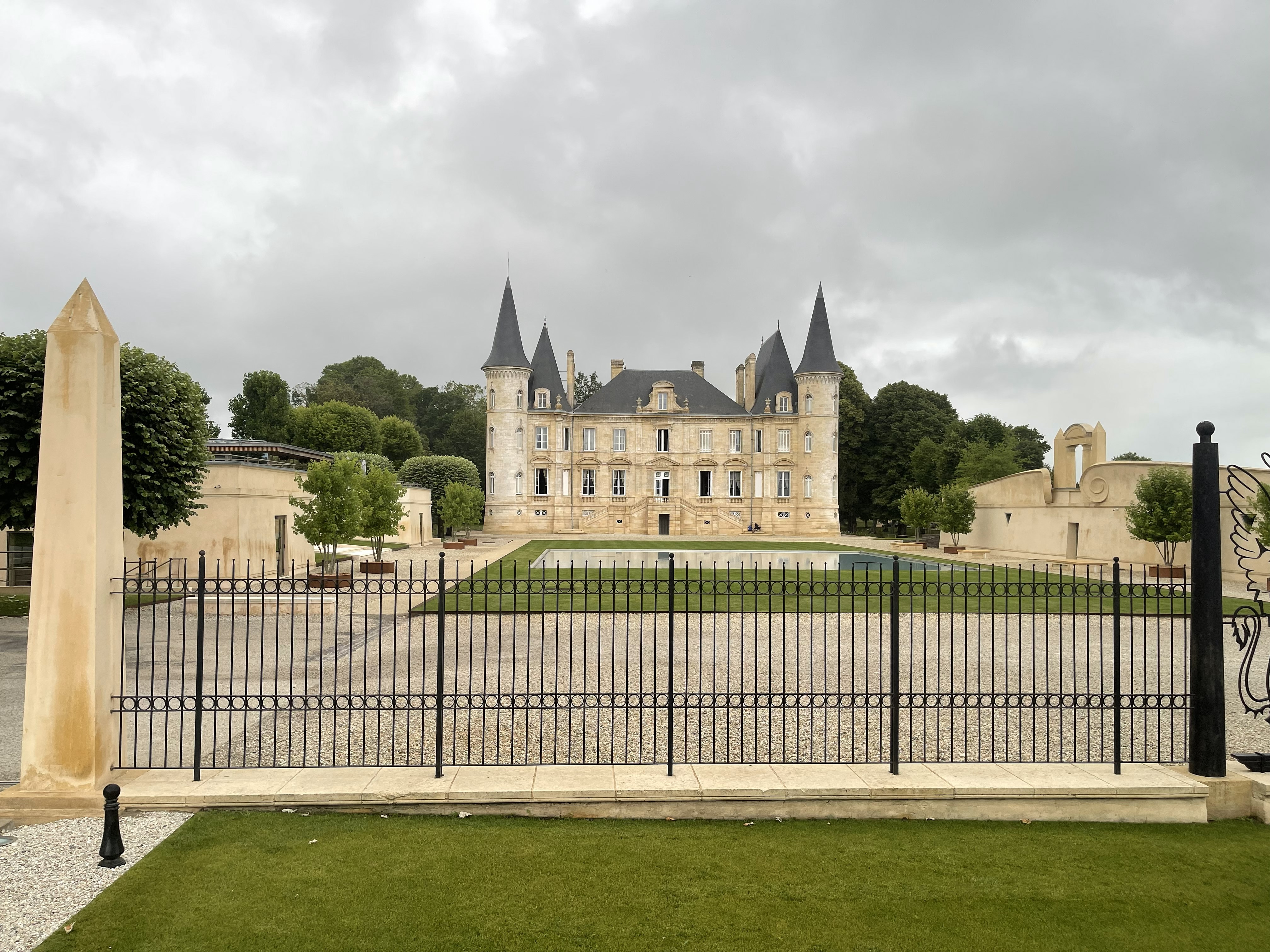
one of the many "châteaux"
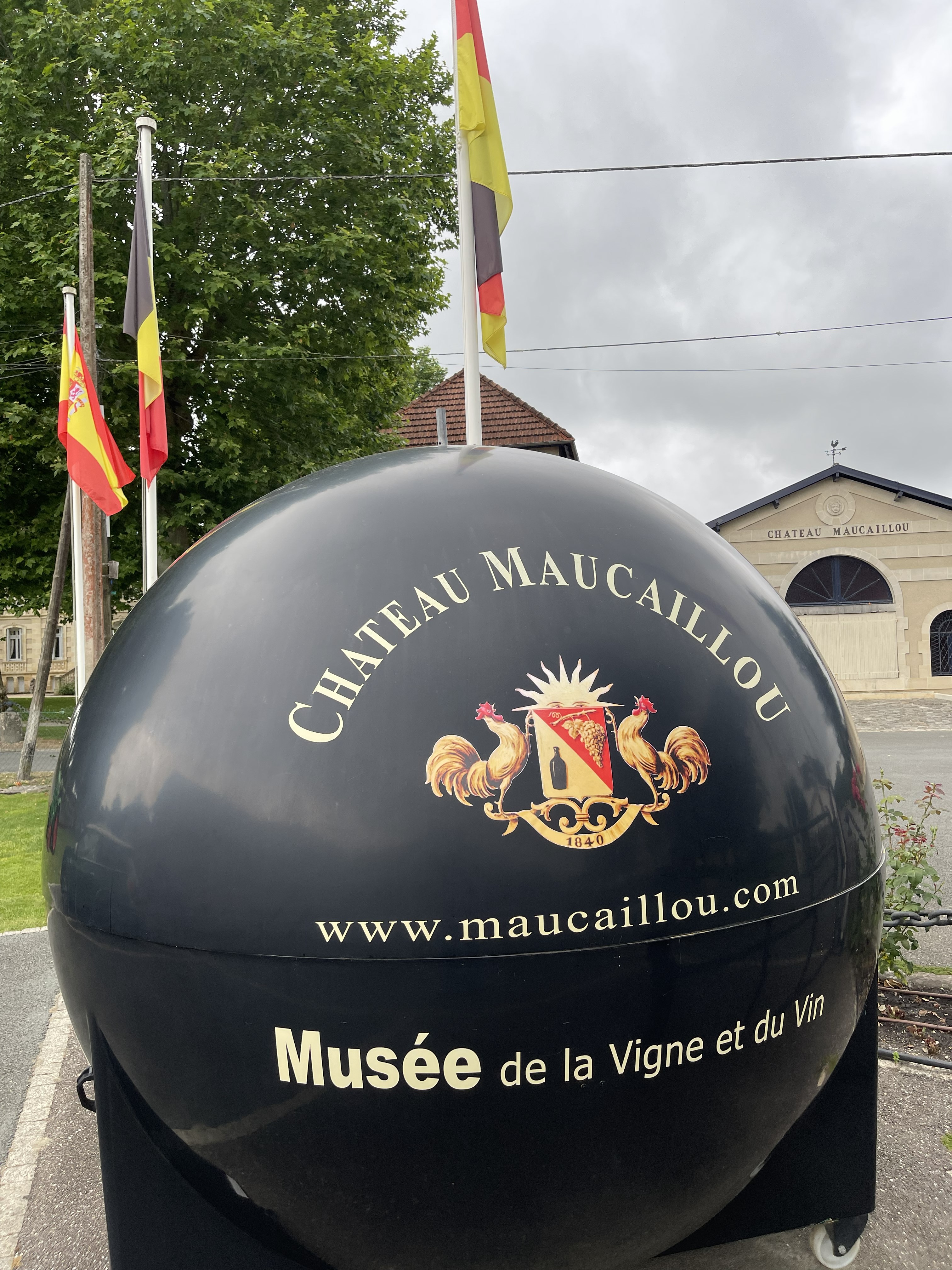
Tasting at Château Maucaillou
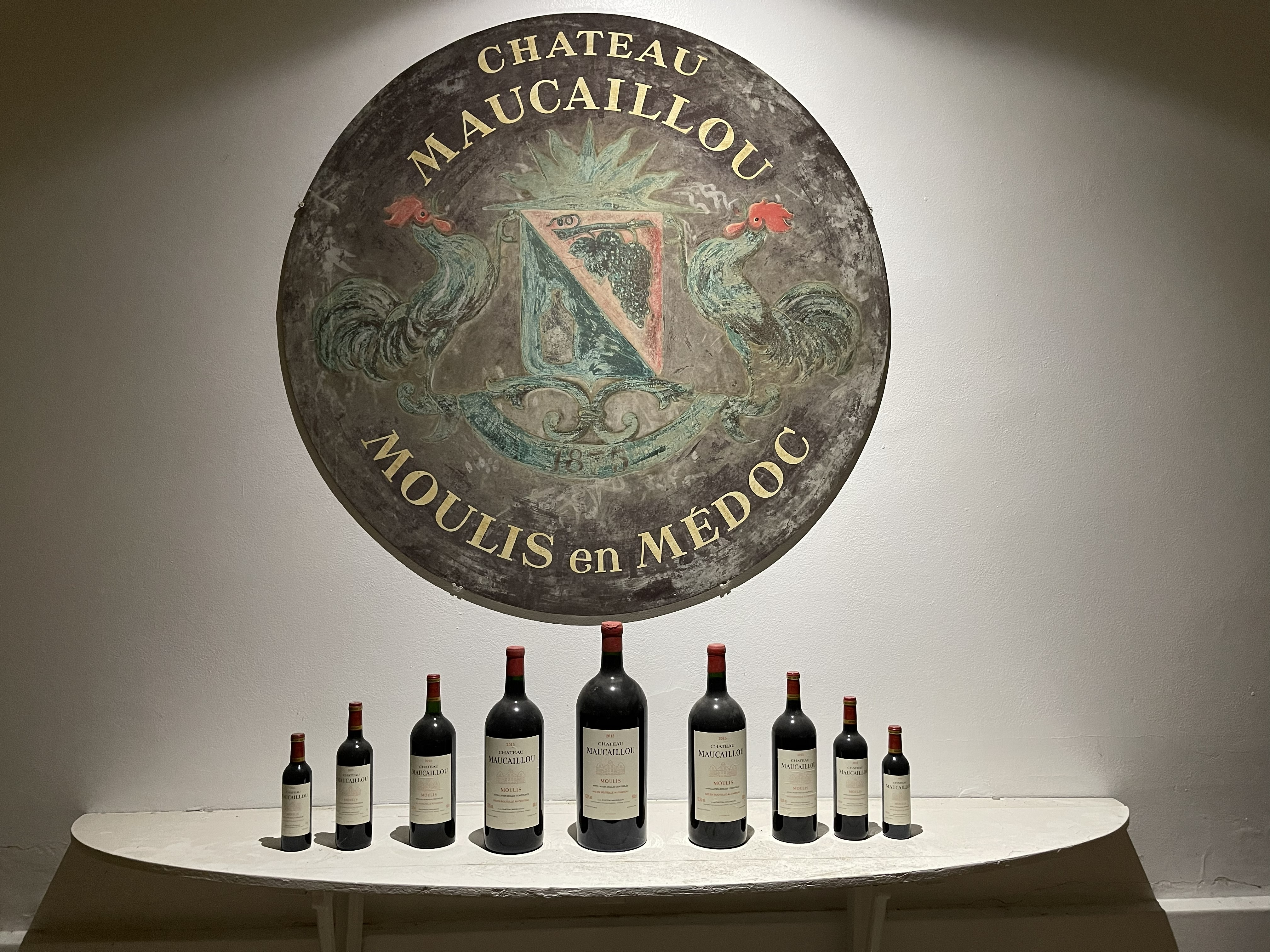
Coat of arms and the Médoc red wines
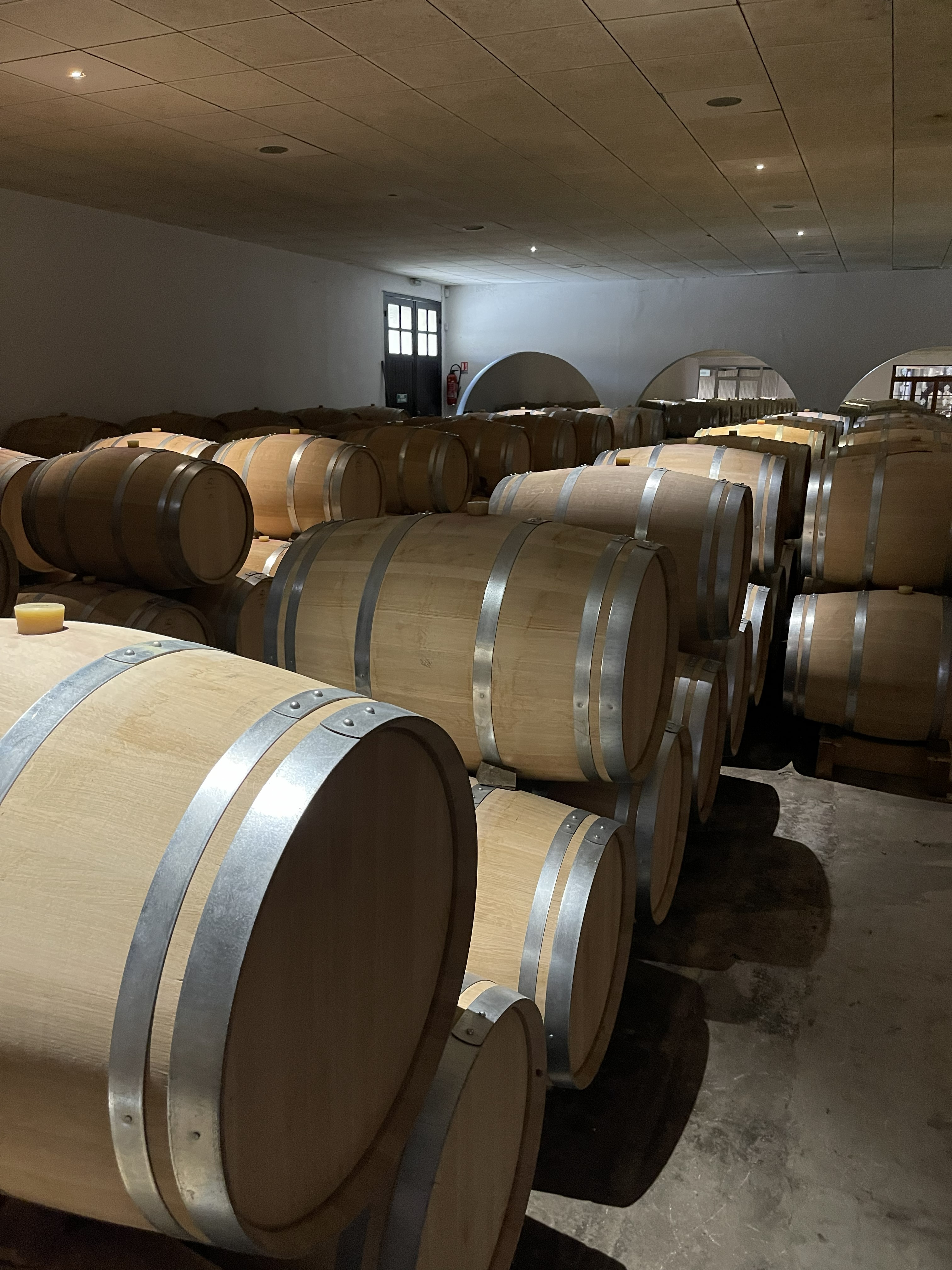
... the many barrels
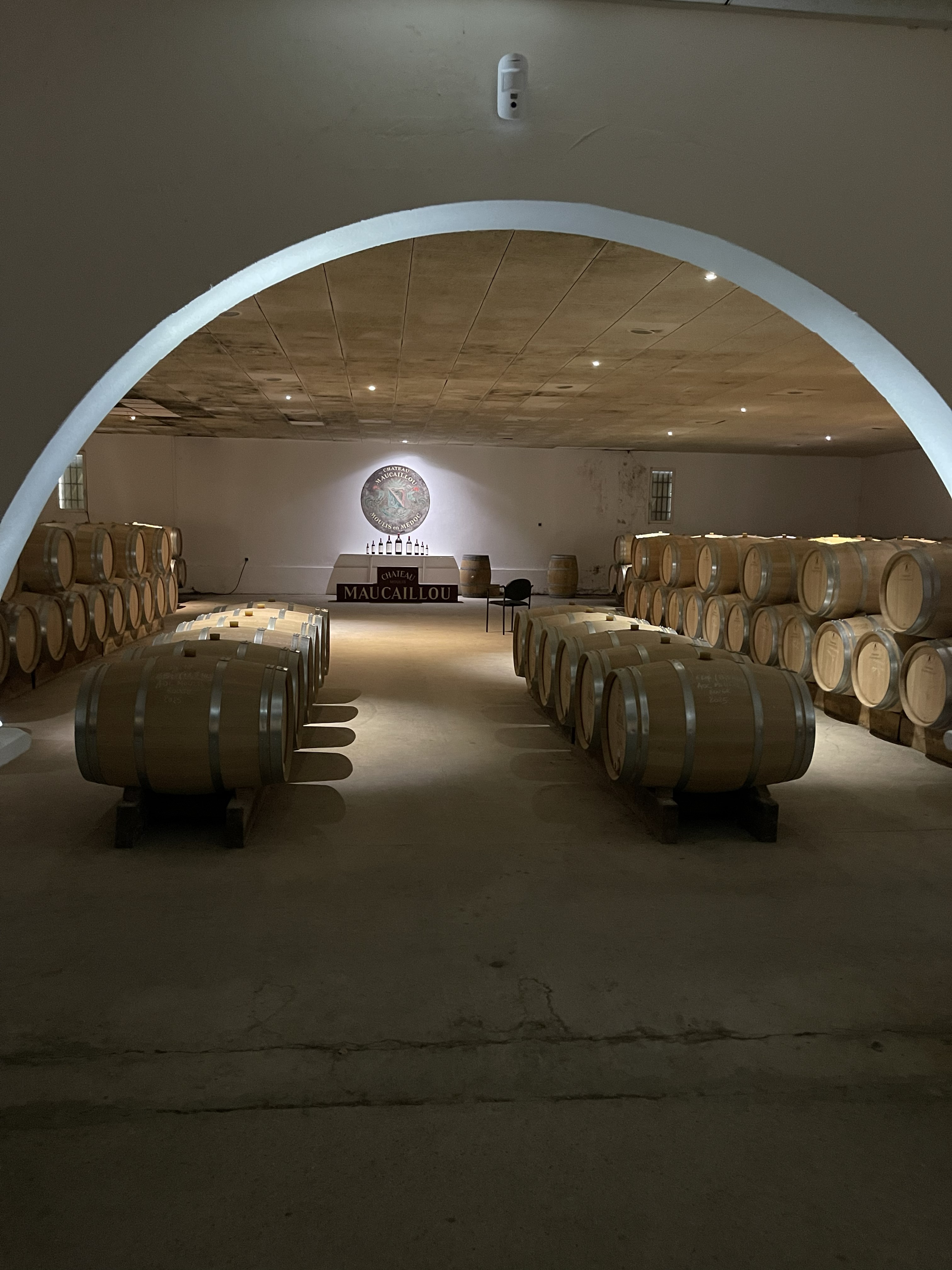
in the pleasantly cool cellar
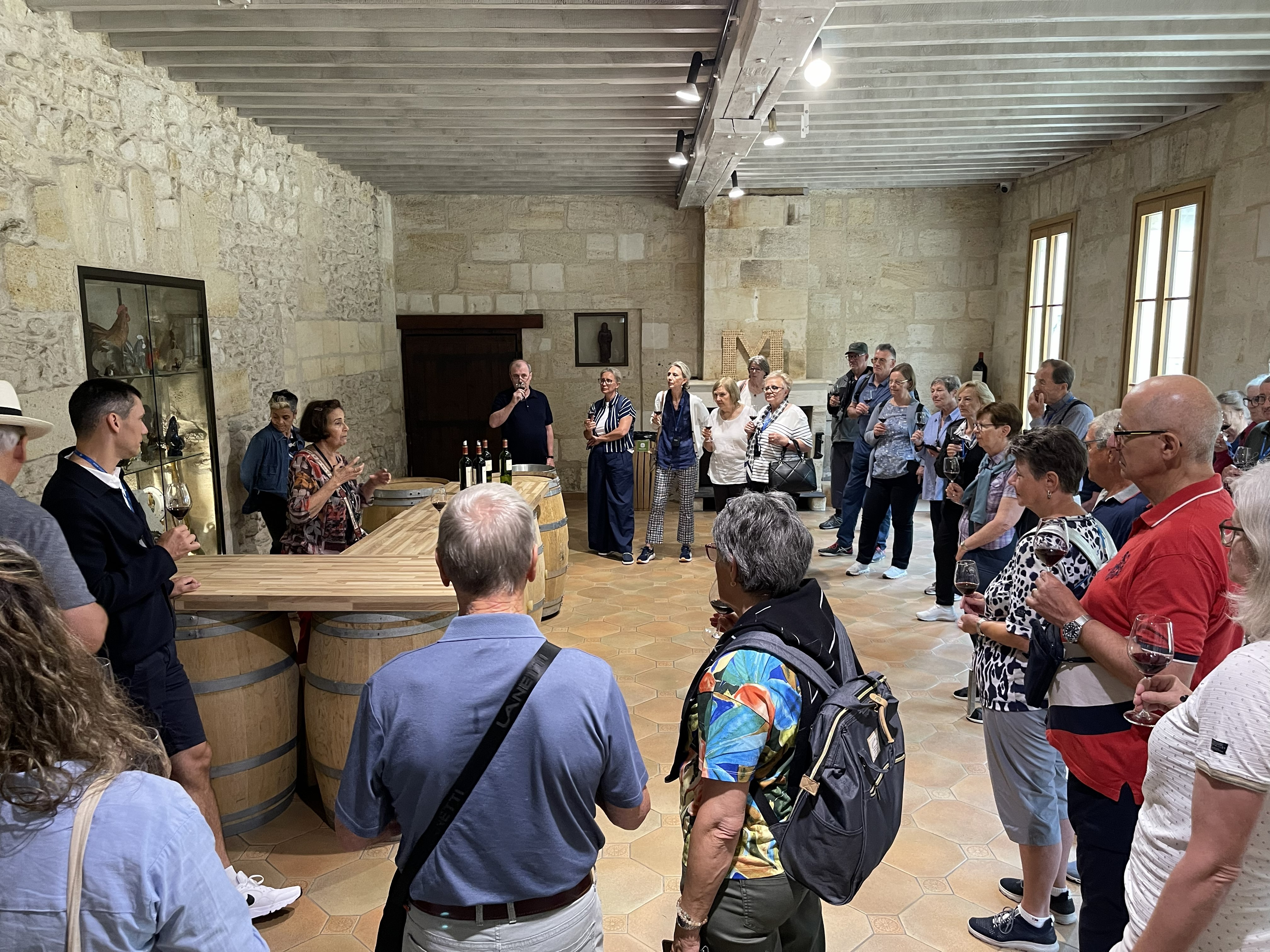
Tasting
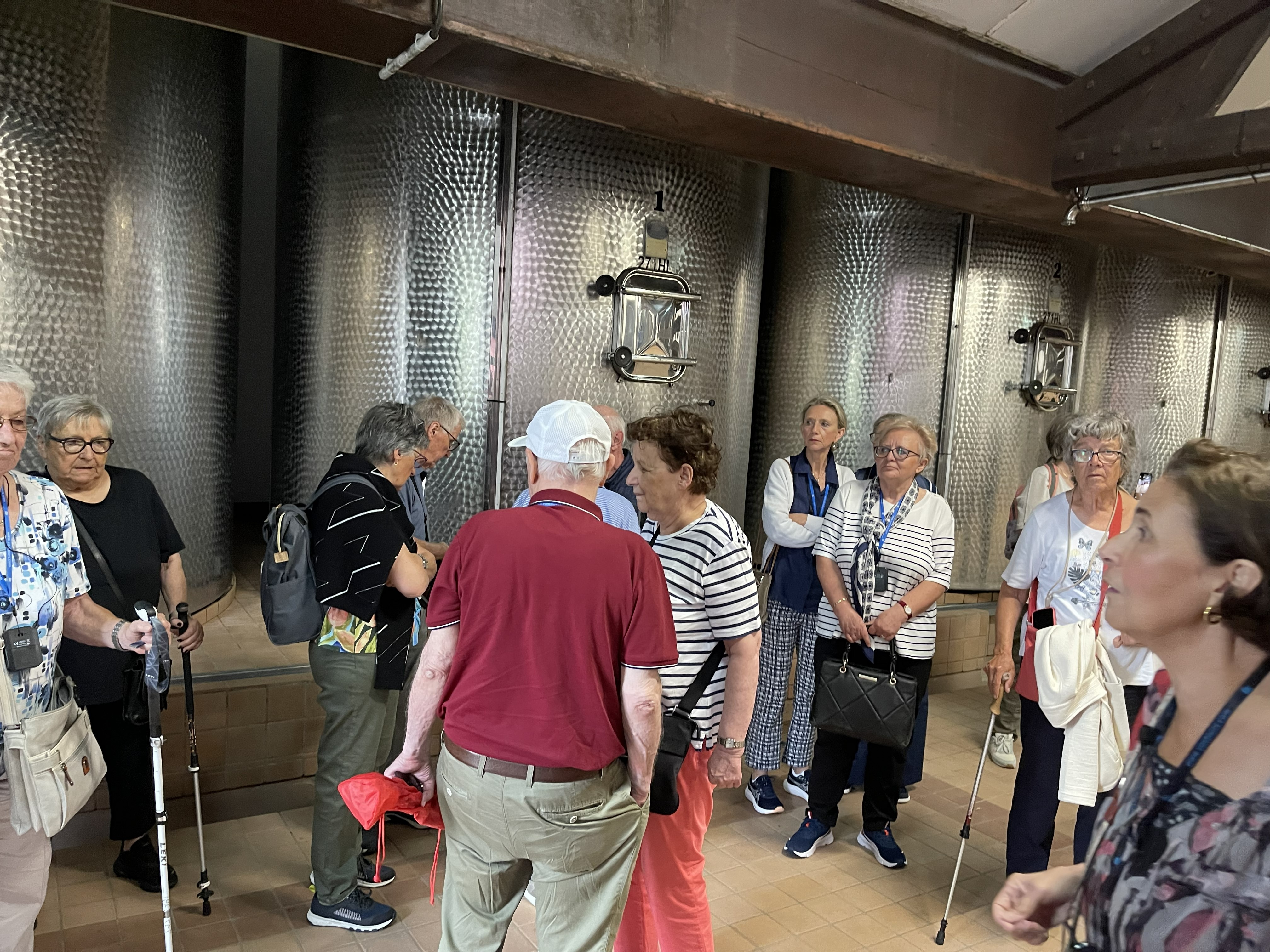
The steel barrels where the wine is fermented
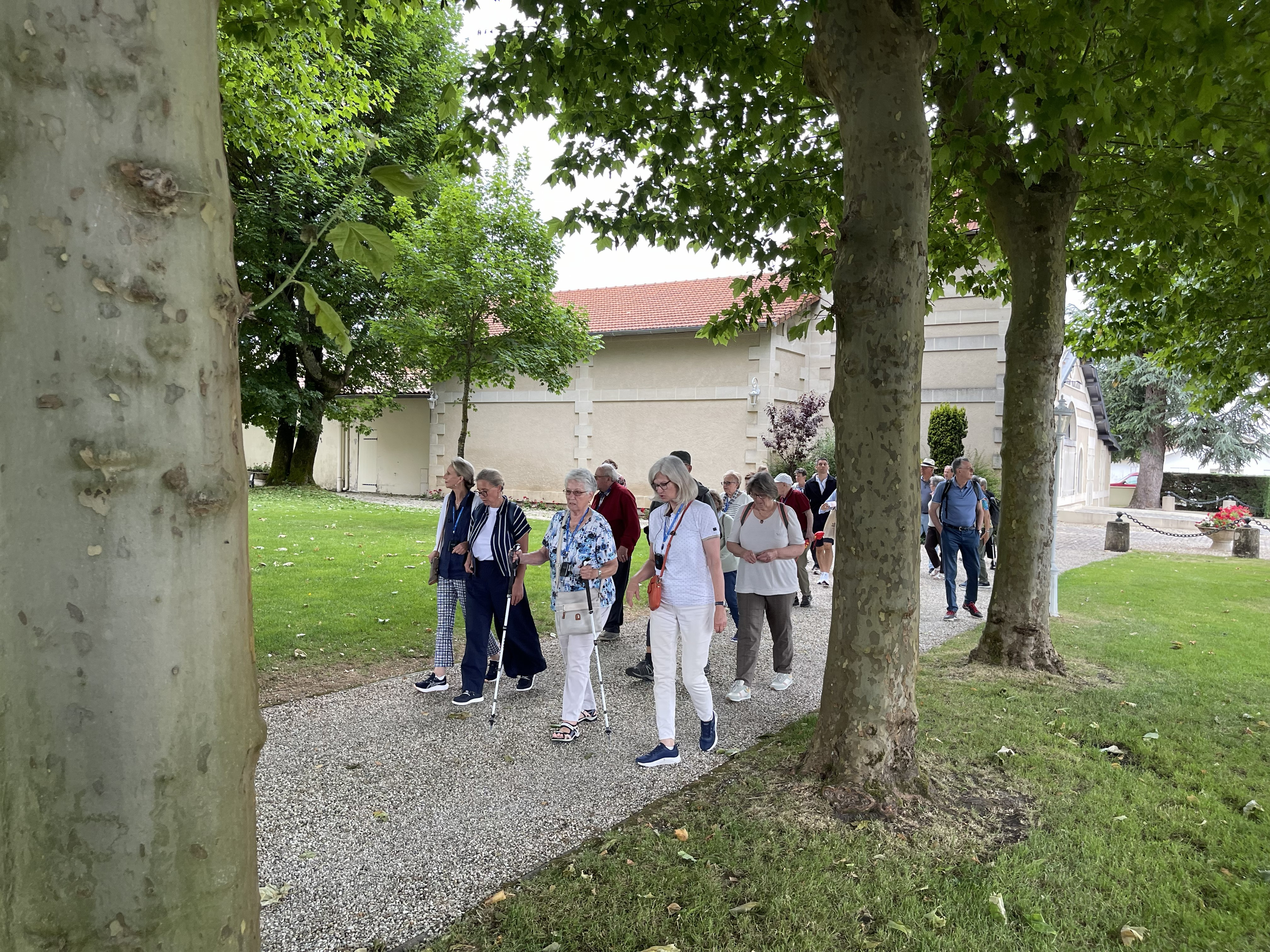
... and a short walk to the Château, which is a B&B.
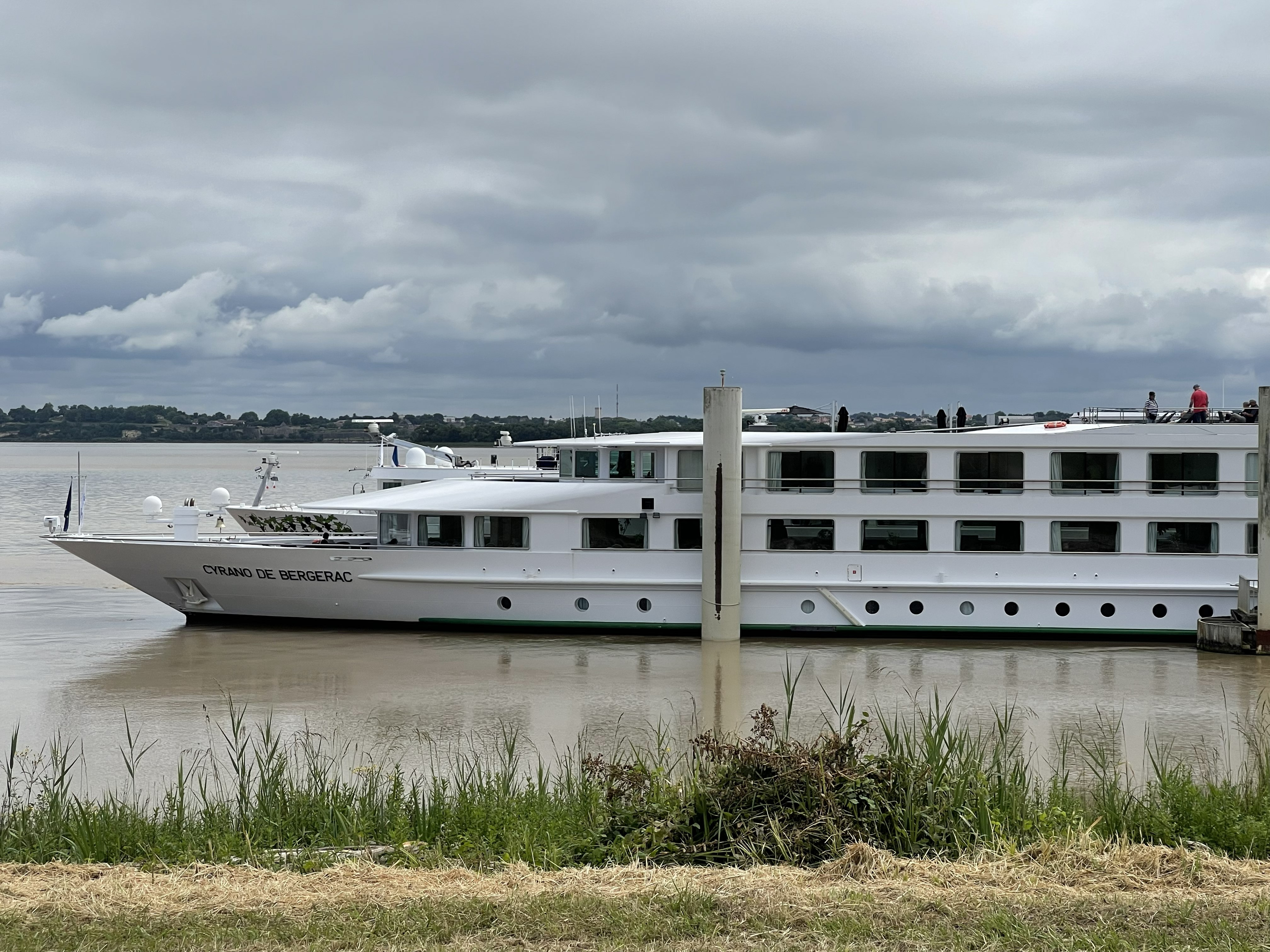
At the pier in Fort de Médoc
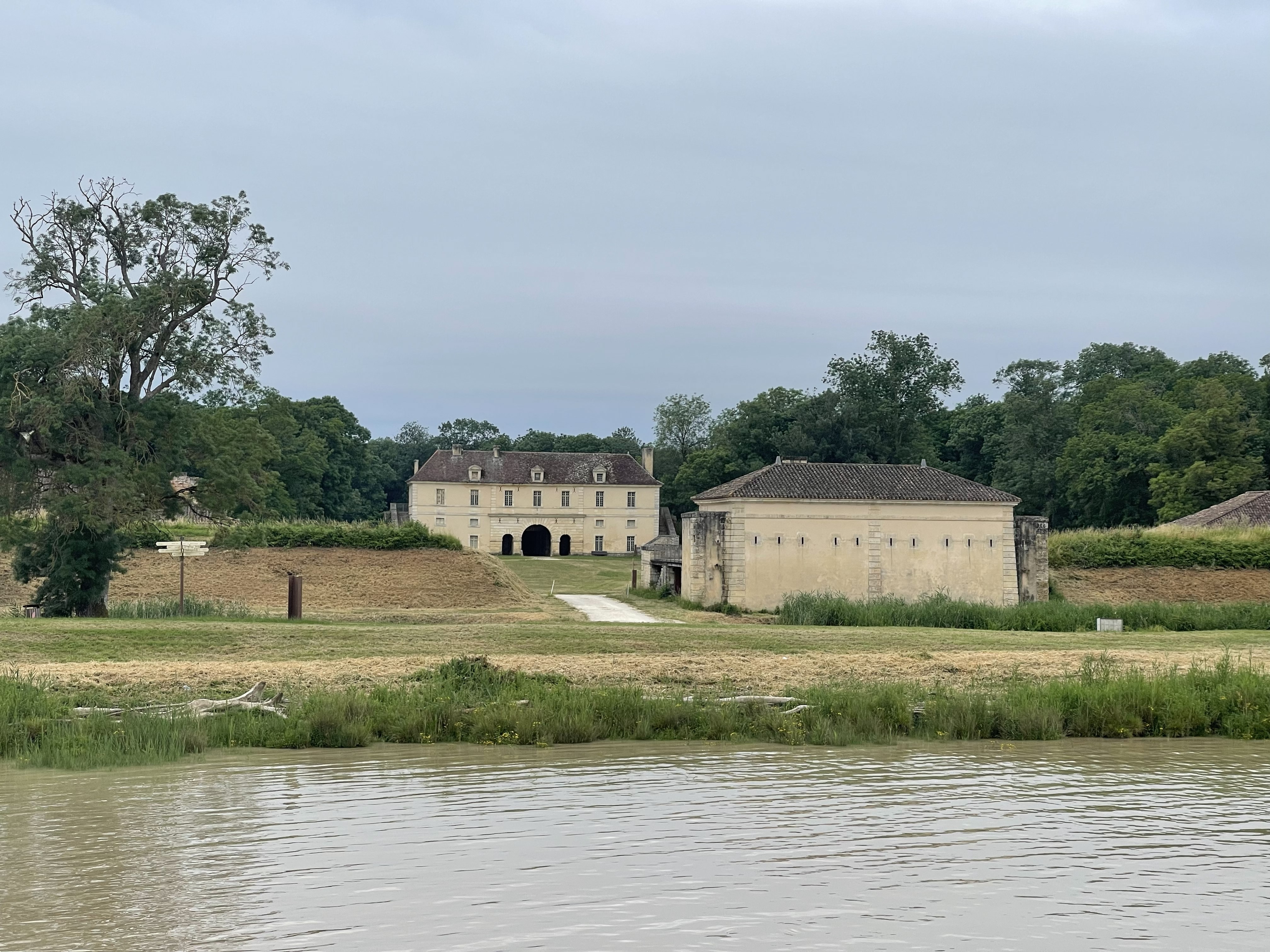
Cast off and the river cruise continues towards the sea
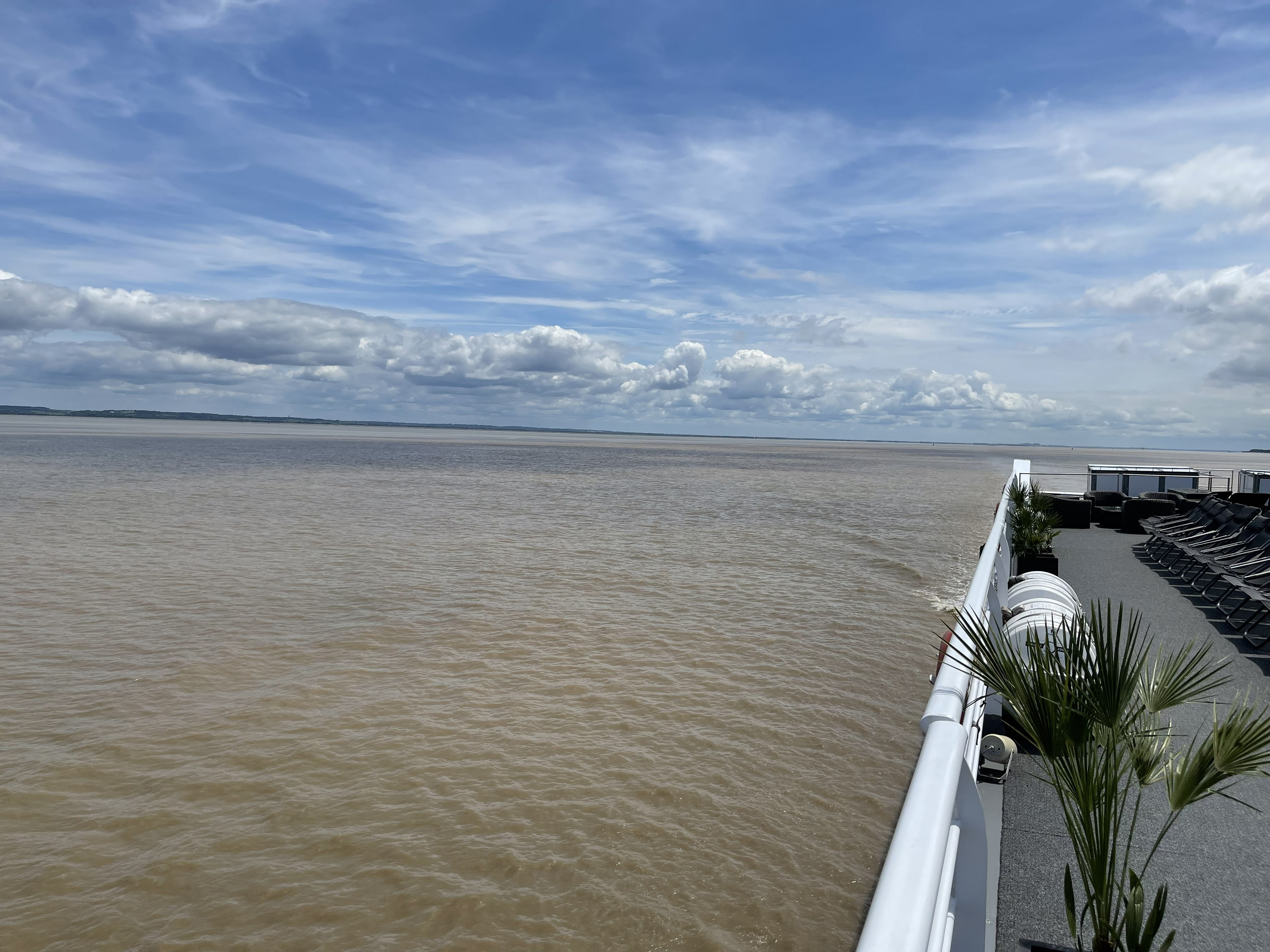
The Garonne can be up to 15 km wide
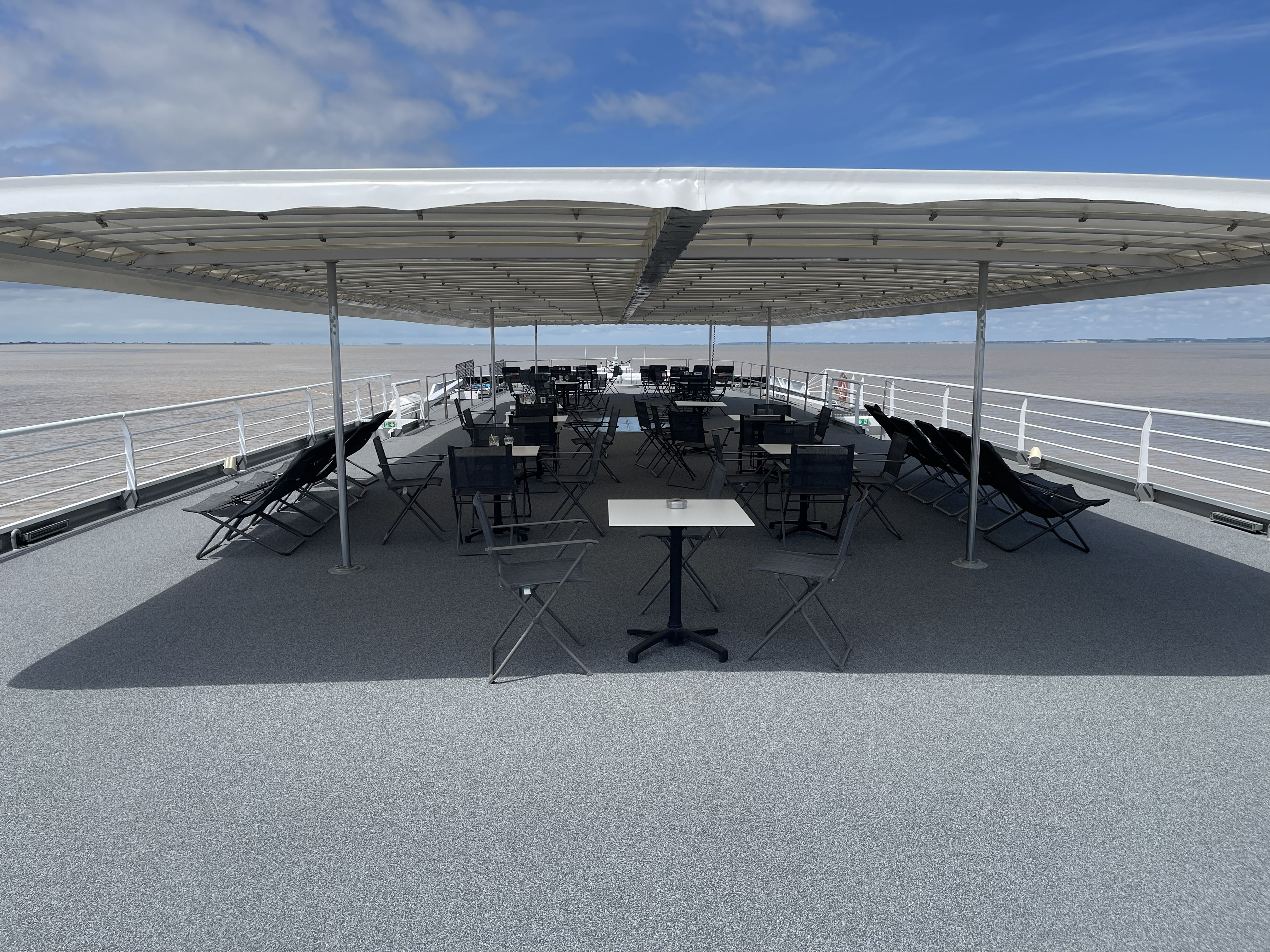
The sun deck was sparsely attended. With my bald head, I don't have any hairstyle problems when it's windy
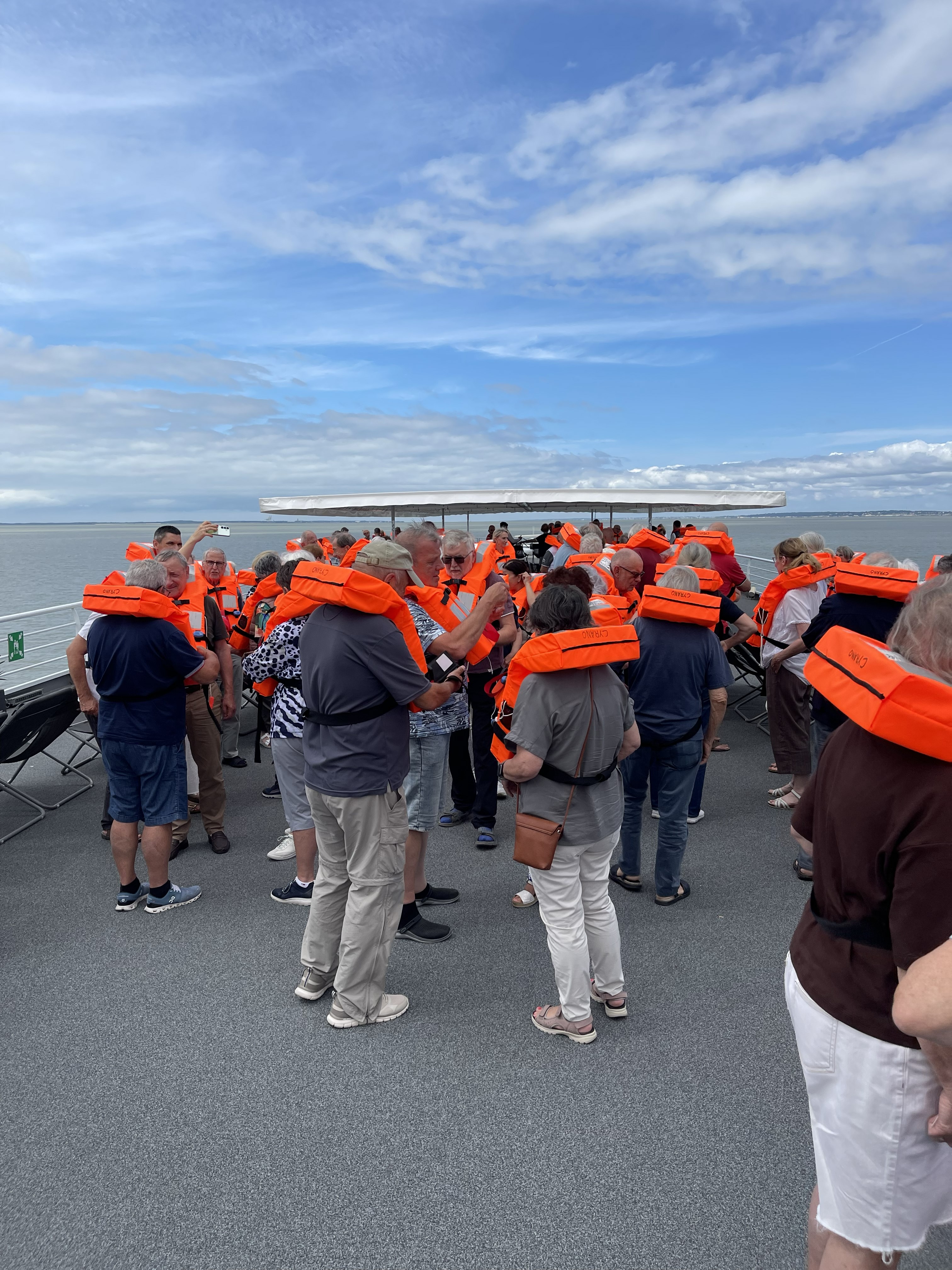
...ship exercise, all hands on deck
... and a calorie stretch on the sun deck
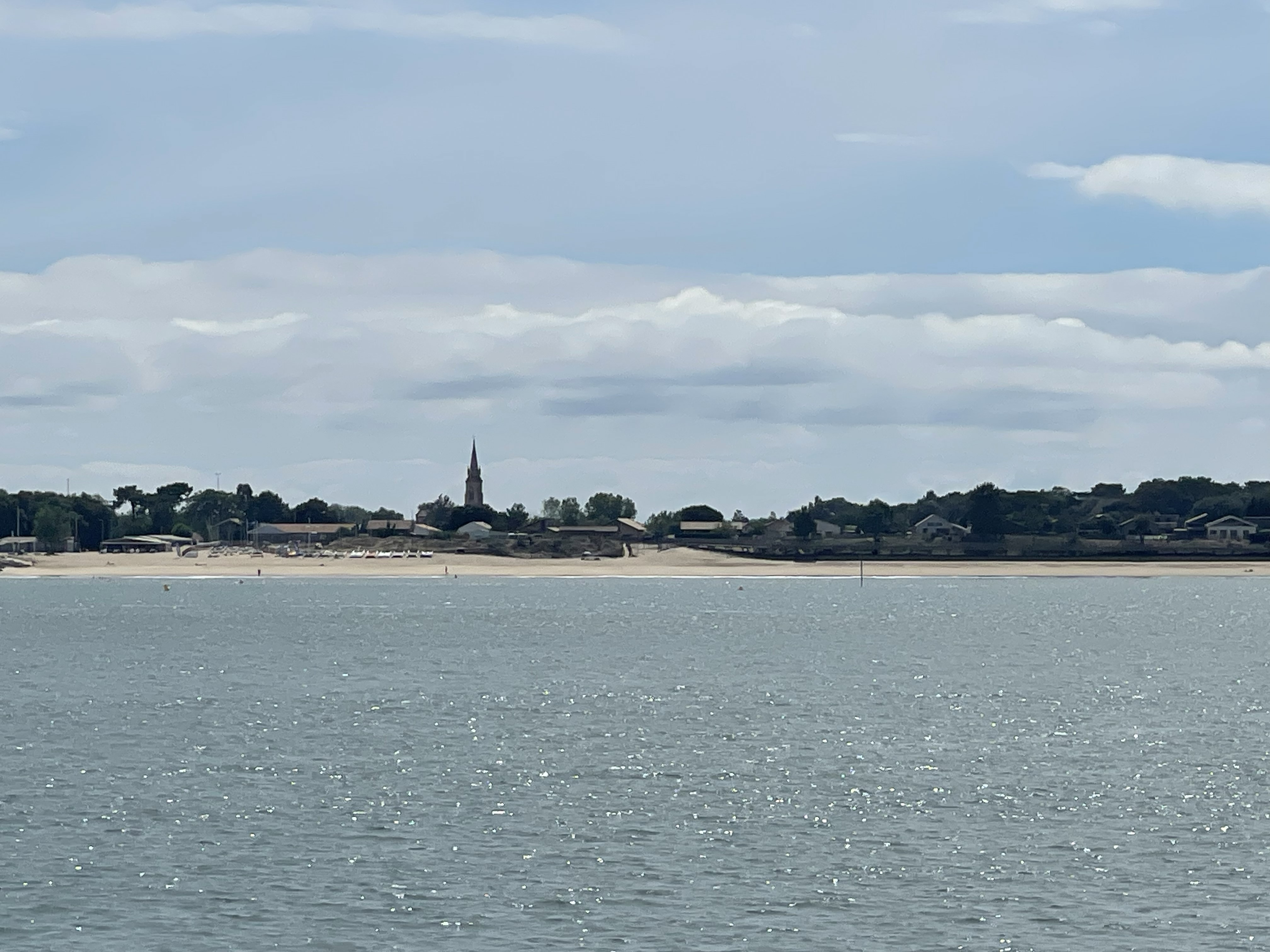
one of the beautiful sandy beaches of Royan
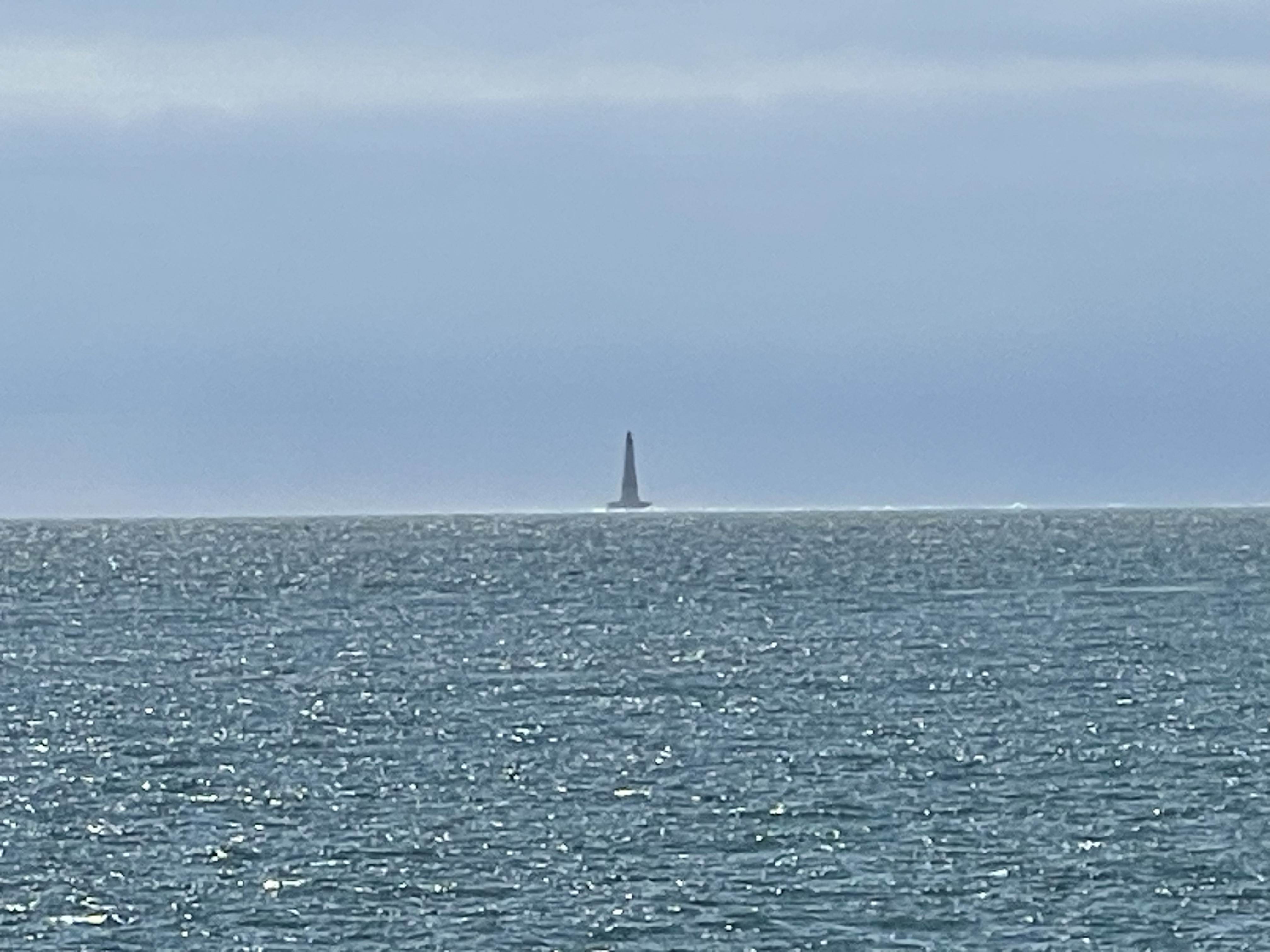
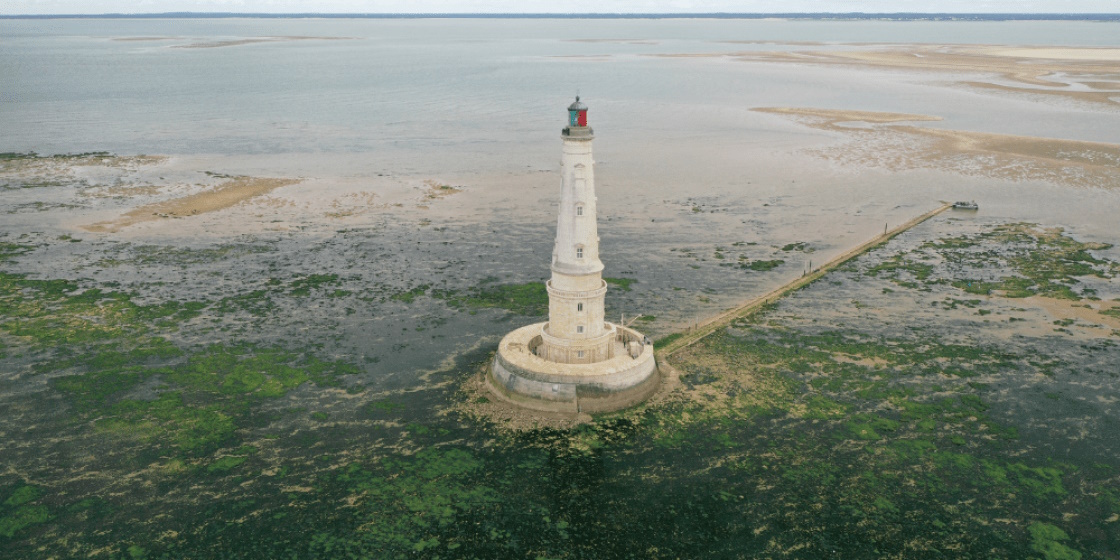
and far outside the lighthouse "Phare de Courduan"
... and hops the pilot jumps on board
Entrance to the port of Royan
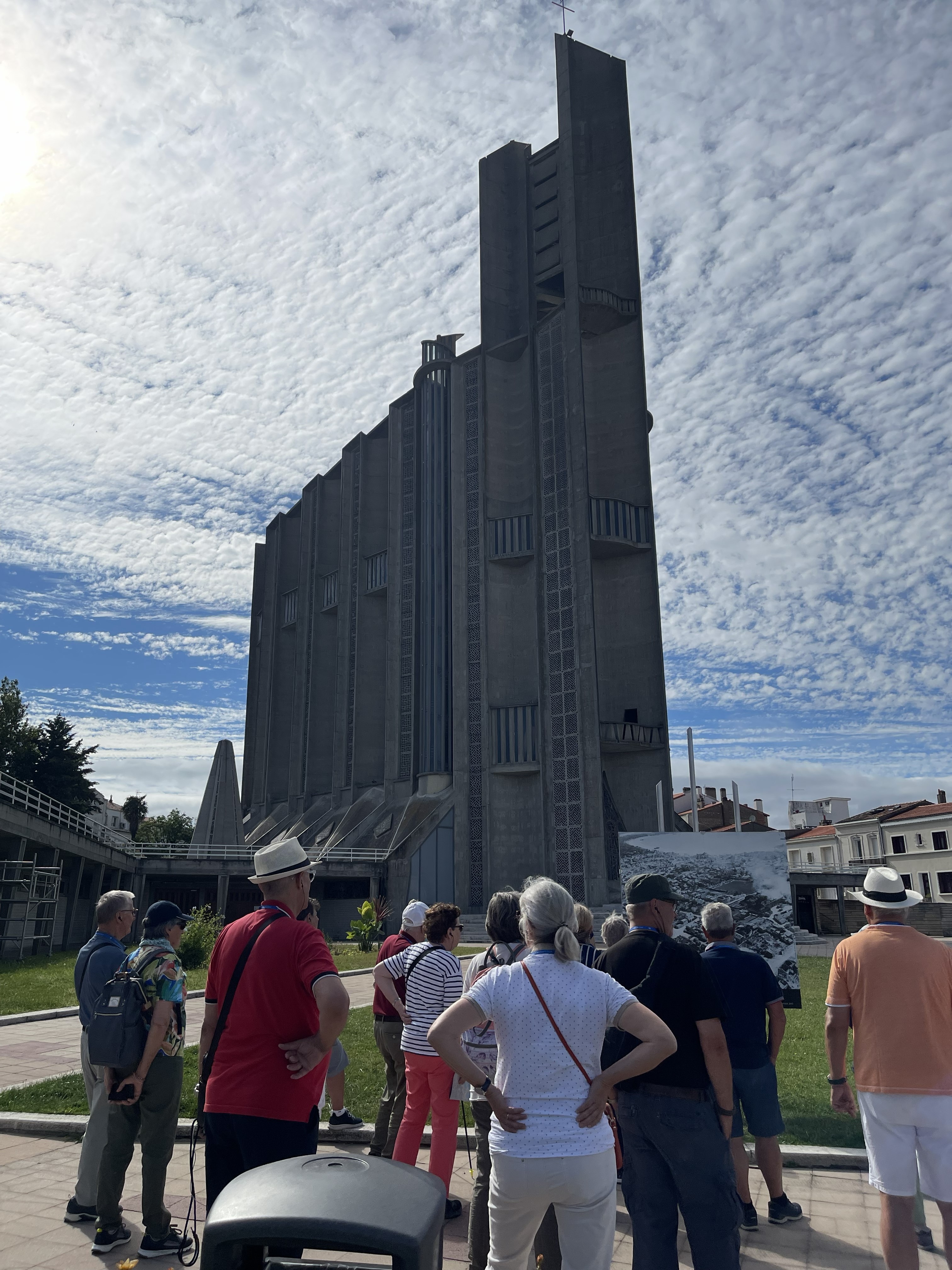
Royan was destroyed in World War II
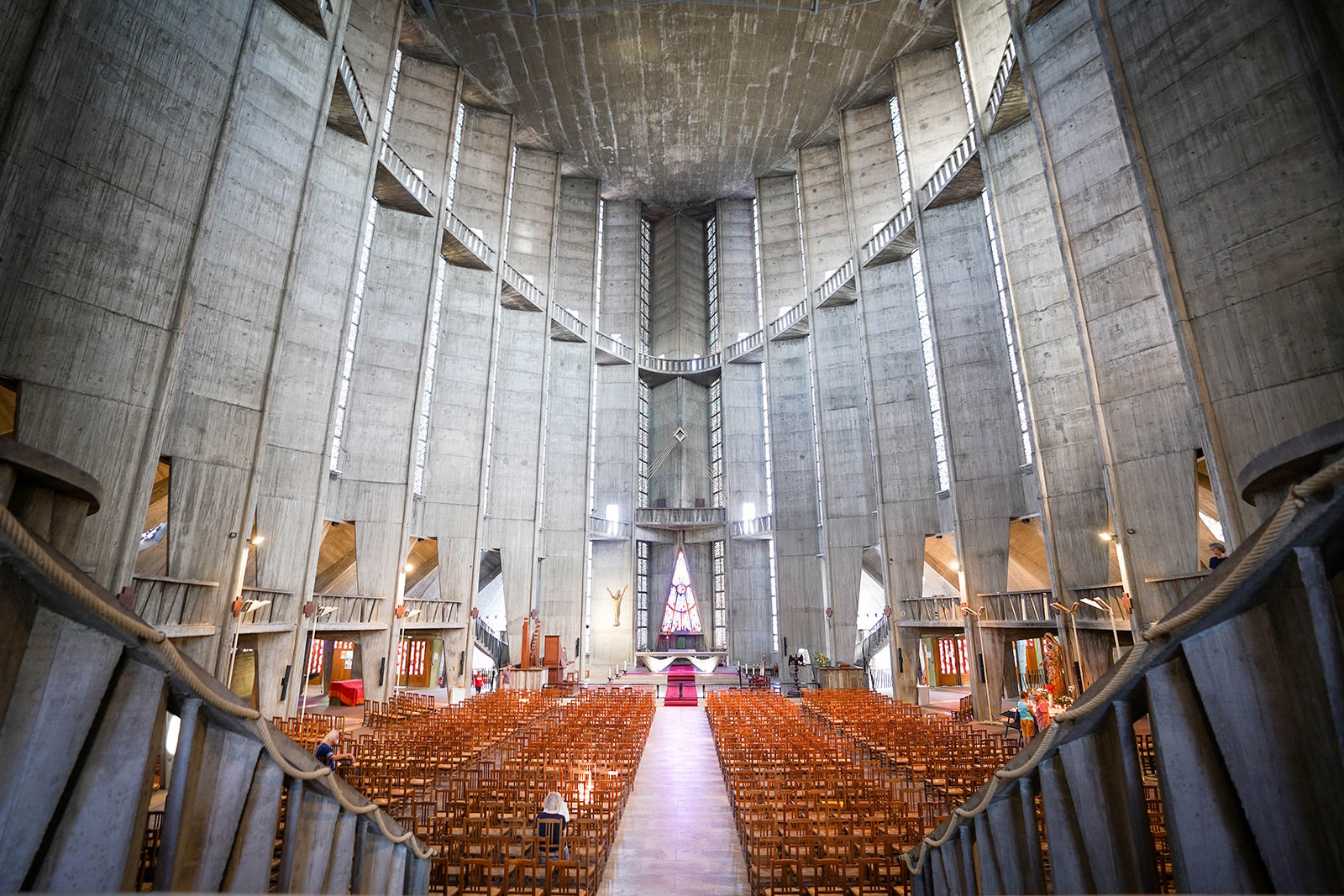
Interior view with 2000 seats
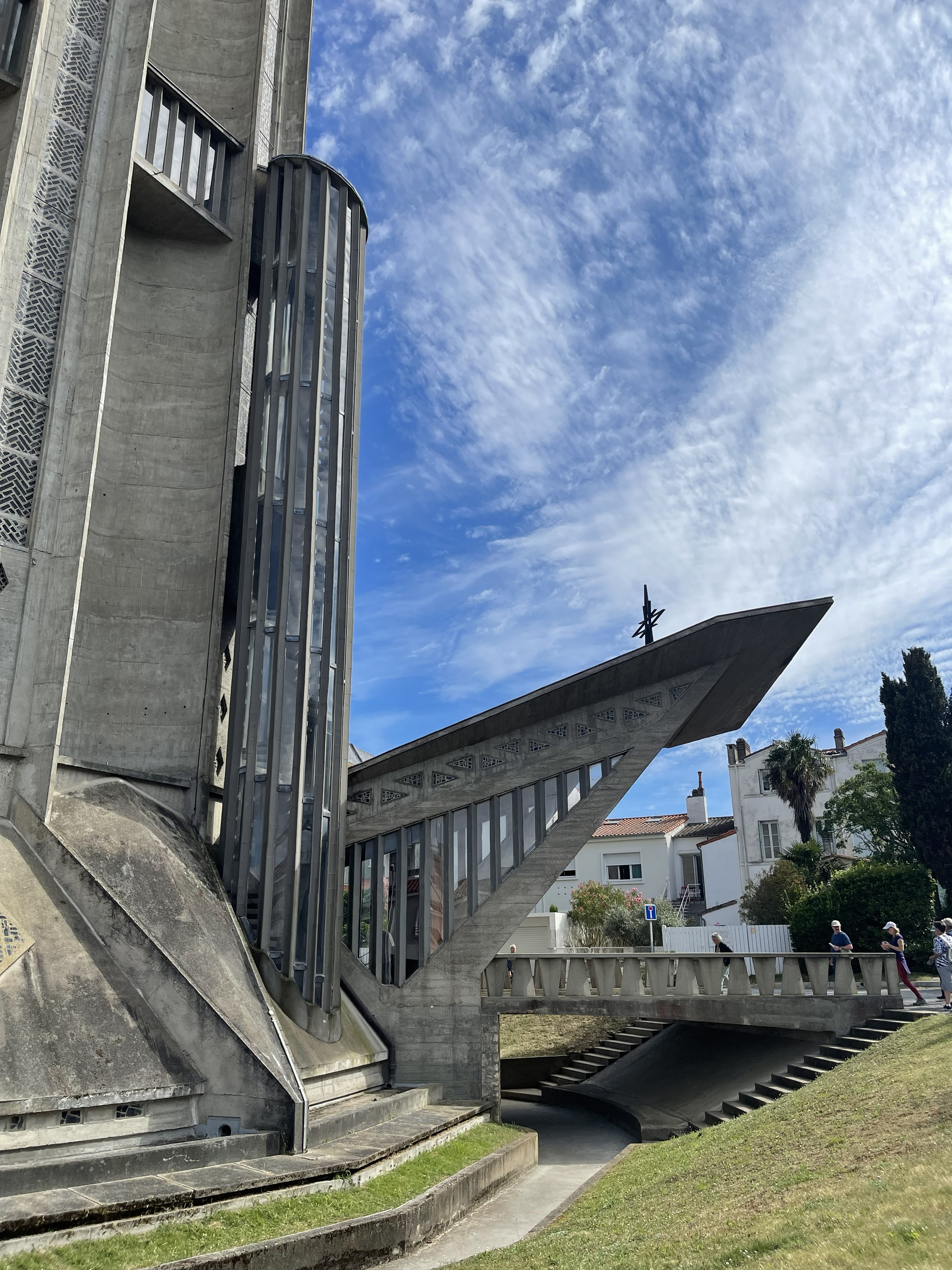
It is known worldwide as an architectural masterpiece of post-war modernism and brutalism
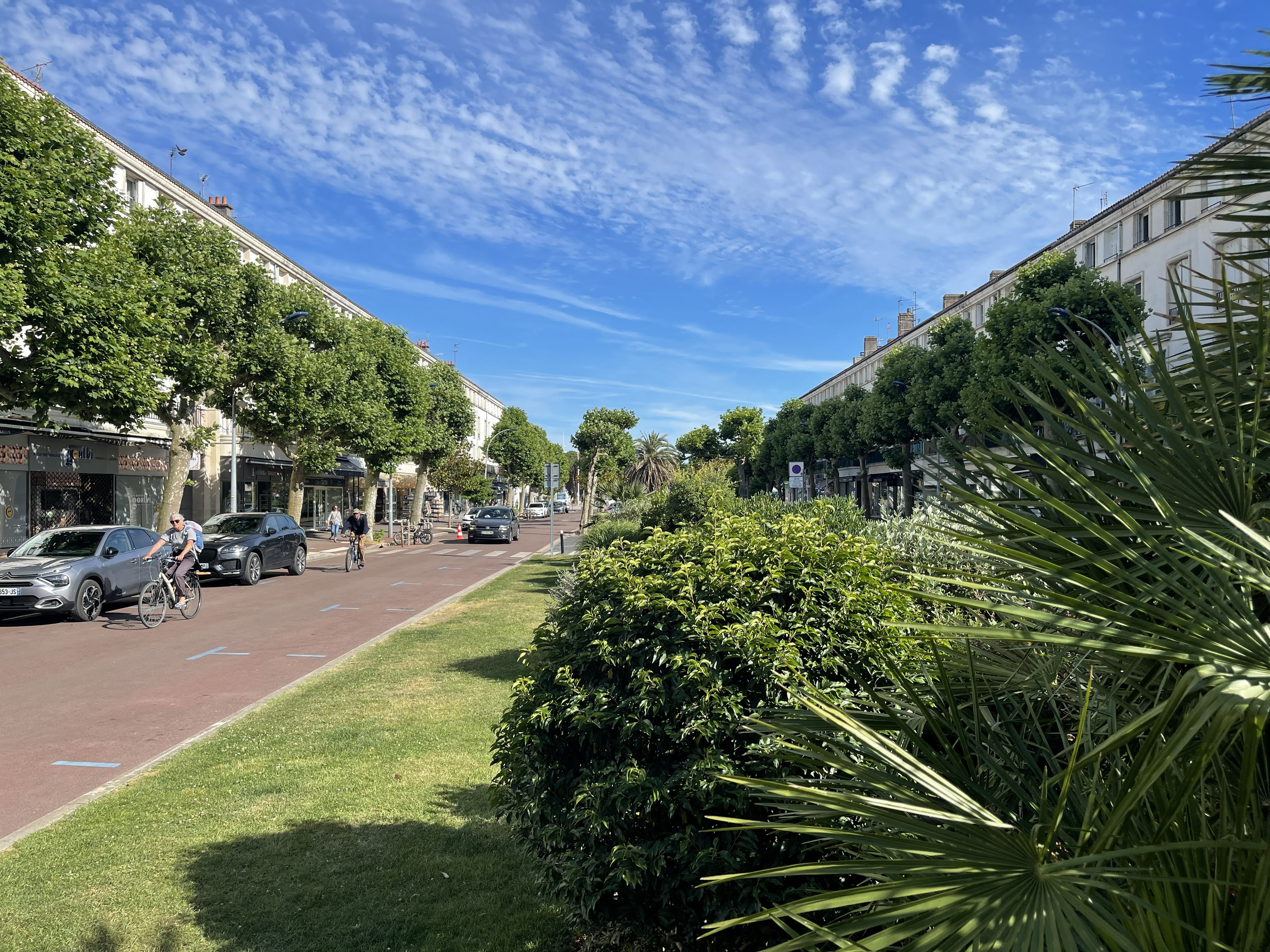
.. one of Royan's beautiful avenues
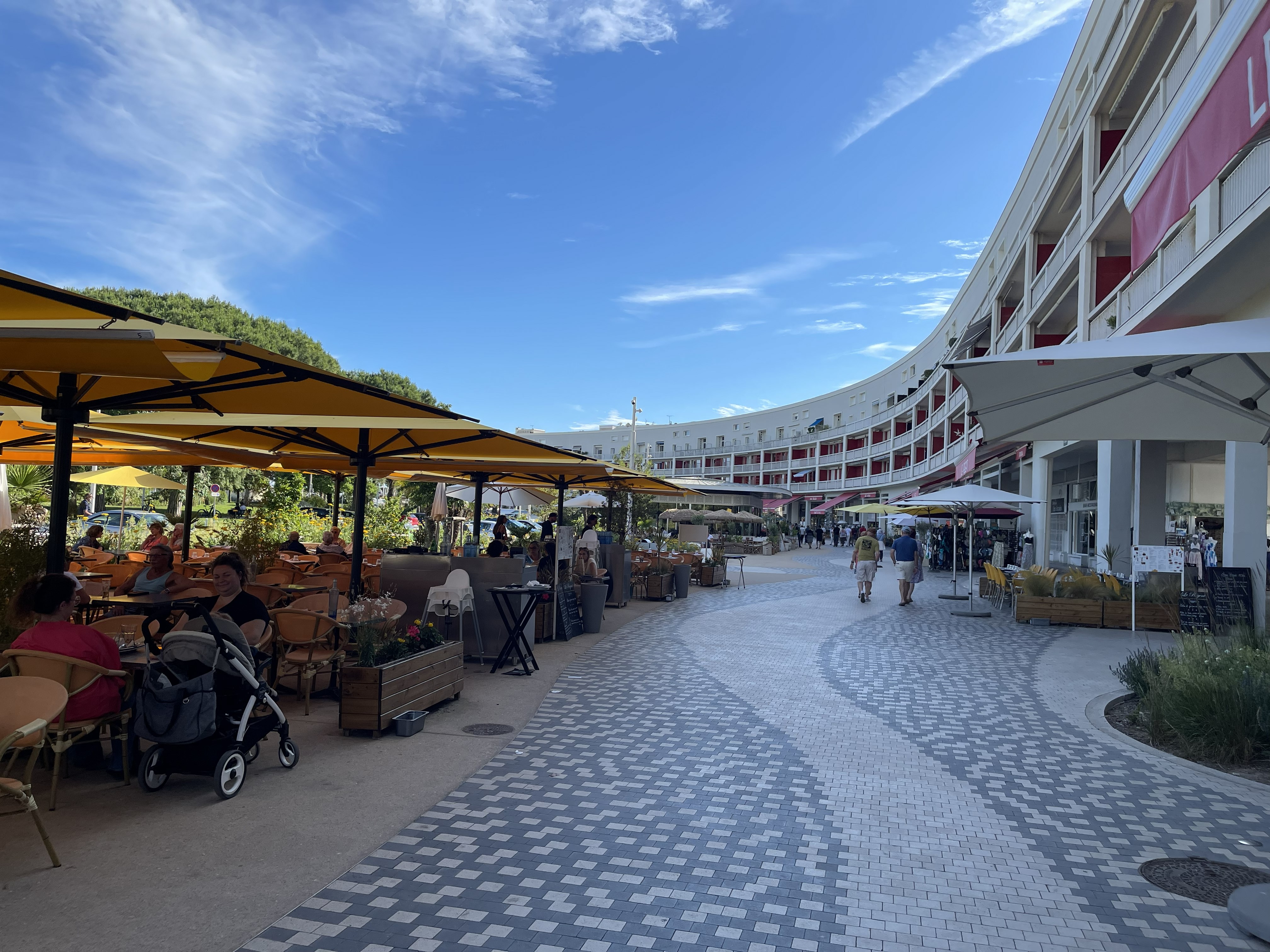
Here too, an architectural masterpiece was built in 1949
Day 3 Visit to the Atlantic city of La Rochelle - Rochefort and continue to Libourne
Today a varied full day trip was on the agenda. While the Cyrano de Bergerac remained anchored in the port of Royan, we took the bus to La Rochelle.
La Rochelle
After about an hour and a half of driving, we reached what is probably the most famous port city on the French Atlantic coast. From the first tour it became clear why La Rochelle is one of the most popular cities in France. The beautiful old town with its arcades, the large market hall and the impressive town hall, which is more reminiscent of a small castle, exudes a very special charm.
Our local tour guide led the group through the city's colorful history, talking about trade, seafaring and the many historical events that have shaped La Rochelle.
However, not all guests wanted to take part in the two-hour city tour. That's why we split up. While those interested in culture continued to explore the old town with our tour guide, the connoisseurs and those who wanted to relax went to a café with me. Finally, relaxed observation of everyday French life is also part of a successful trip.
A heavy downpour reminded us that we were right on the Atlantic coast. Finally the rain jackets and umbrellas we had brought with us could be put to their intended use. Luckily it was a short interlude and we were soon strolling leisurely to the harbor basin with its numerous sailing and motor yachts.
Our meeting point was directly at the famous La Rochelle aquarium. The associated restaurant accommodated practically the entire ship's crew on our trip at lunchtime. Accordingly, the kitchen reached its limits. The food was decent, but couldn't quite keep up with the meals on board. The service was convincing with its friendliness and attentiveness.
Rochefort - Visit to the Corderie Royal
After lunch the journey continued to Rochefort. The 45-minute bus ride already gave an impression of the varied landscape of this region.
Rochefort is closely linked to the history of the French navy. Our destination was the famous Corderie Royale, the Royal Rope Factory. The impressive building was built in the 17th century and, at 374 meters long, was considered one of the largest industrial buildings of its time.
The huge ropes for the royal fleet were once made here. Today there is an interesting museum in the former factory. The tour turned out to be extremely exciting. A working model was used to impressively demonstrate how the ropes for the sailing ships, some of which were over 120 meters long, were made.
What was particularly impressive was the realization that just hoisting a ship's anchor used to require up to 80 sailors and could take several hours. Such details bring history to life and give an idea of the physical feats that were performed on a daily basis back then.
After visiting the museum, we walked to the former dry docks of the Royal Navy. There we were able to observe the enormous differences between high and low tide based on the water level of the Charente. The tides continue to shape life on the Atlantic coast to this day.
Transporter Bridge
On the return journey we passed an engineering masterpiece of the early 20th century: the Pont Transbordeur de Rochefort-Martrou transporter bridge. The structure, which opened in 1900, does not have a classic roadway. Instead, a gondola suspended from steel cables transports people and vehicles from one bank to the other. A fascinating structure that is still in use today.
We reached Royan again around 4:30 p.m. To everyone's surprise, we were escorted by the police right through the harbor area. For a brief moment you almost felt like a state delegation on an official visit.
River cruise Gironde, Dordogne to Libourne
The Cyrano de Bergerac left promptly at 5 p.m. The exit from the harbor was spectacular. Although we were officially on a river, the proximity to the Atlantic was clearly noticeable. Wind and waves made for surprisingly rough water.
I have already sailed many rivers, but the Gironde presented itself at its wildest side this afternoon. Undeterred, our ship worked its way through the waves, constantly offering new views of the impressive coastal landscape.
I particularly liked the steep rock formations along the shore with their magnificent villas. In between, you could always see the typical fishing huts on stilts, which can be reached via narrow wooden walkways. They are somewhat reminiscent of allotment gardens on the water and give the region its very own character.
Phare de Cordouan lighthouse
The famous Phare de Cordouan lighthouse could also be seen far out on the horizon. It was built in the 16th century, is considered the oldest active lighthouse in France and is now also a UNESCO World Heritage Site. It majestically watches over the mouth of the Gironde and the transition to the Atlantic.
As the journey continued, we passed Blaye on the opposite side of Fort Médoc and finally reached the area of Bec d’Ambès, around 15 kilometers north of Bordeaux.
This is where the two rivers Garonne and Dordogne meet and form the Gironde. Strictly speaking, the Gironde is not a classic river, but rather an estuary - a funnel-shaped estuary that is created by the confluence of two large watercourses and ultimately flows into the Atlantic.
From there we followed the Dordogne upstream towards Libourne. While the evening mood slowly set in outside, we enjoyed the passing landscape and another successful evening on board.
Late in the evening we finally reached Libourne, where the Cyrano de Bergerac moored for the night.
An eventful day came to an end - with historic port cities, fascinating maritime history, impressive nature and one of the most beautiful river trips of this trip.
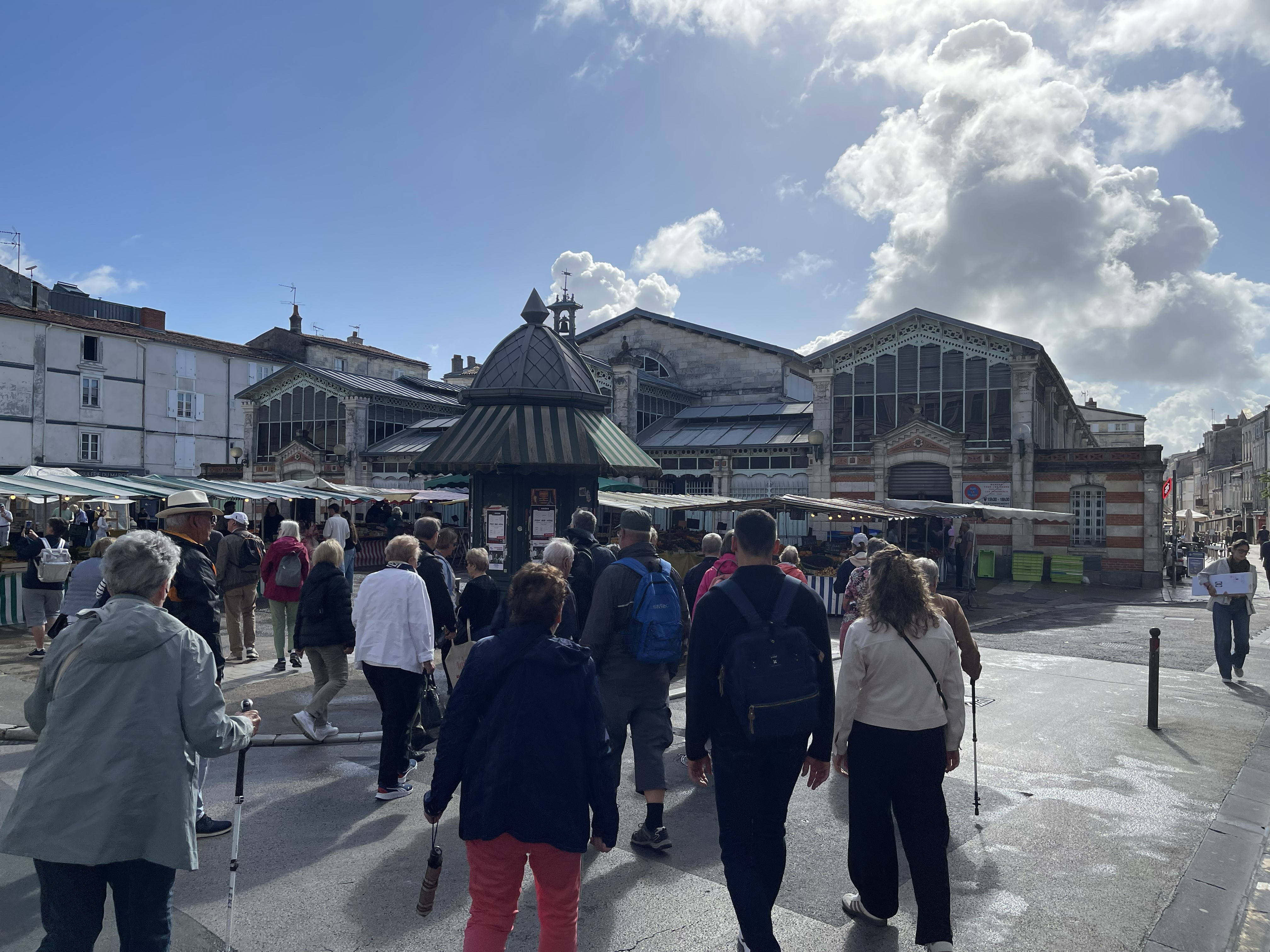
"Marché central" built in 1835
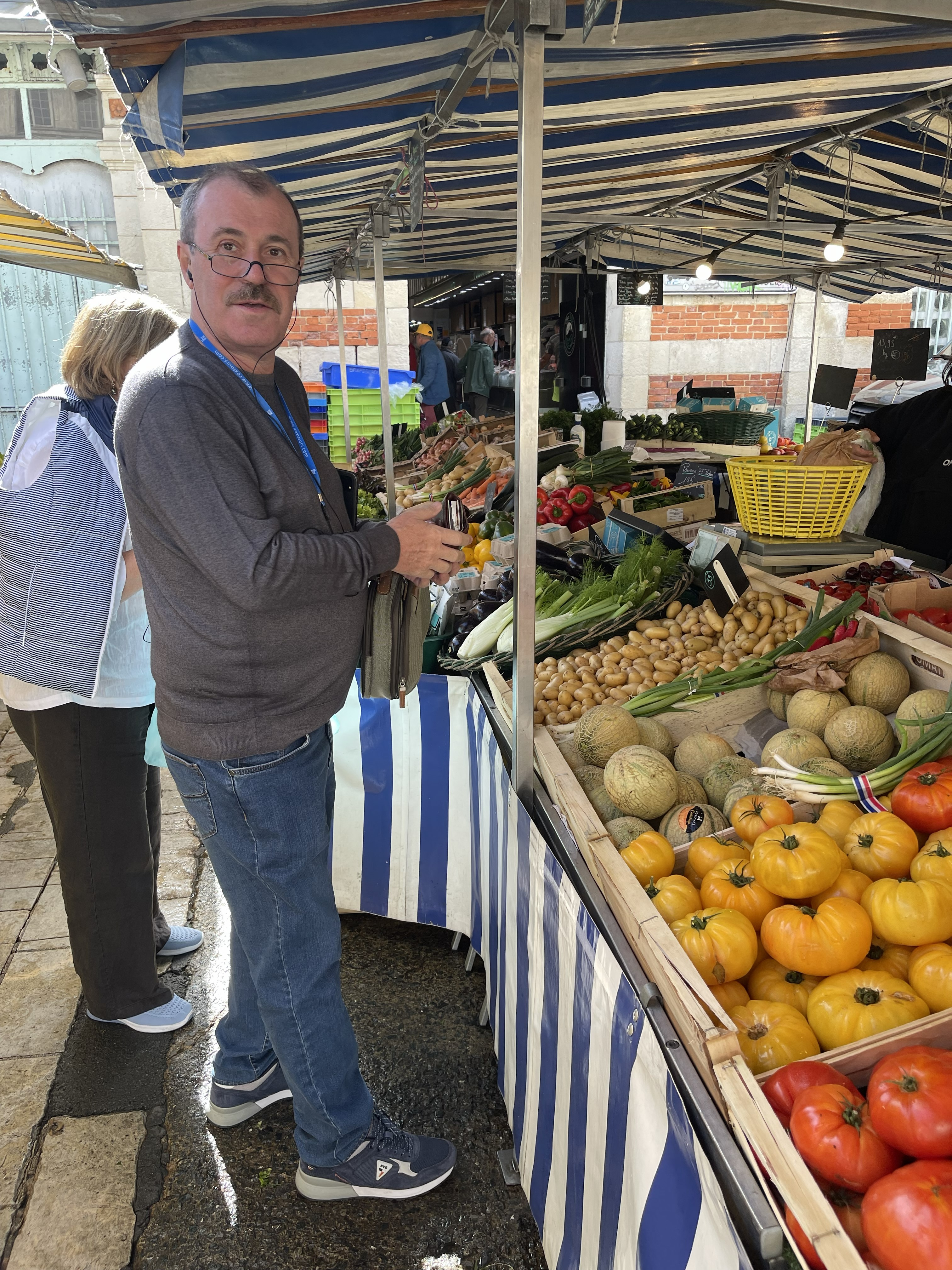
with fruits
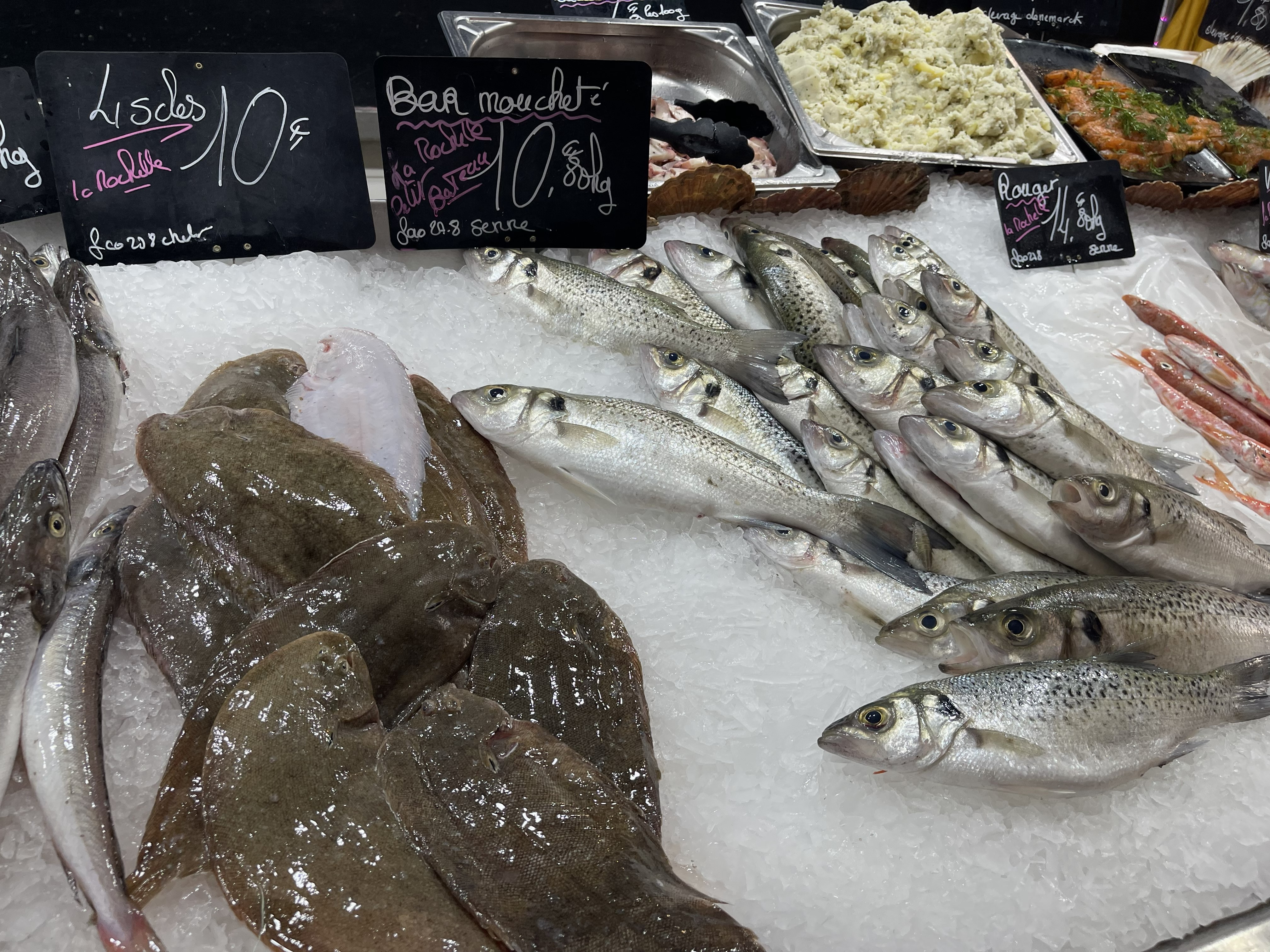
and seafood
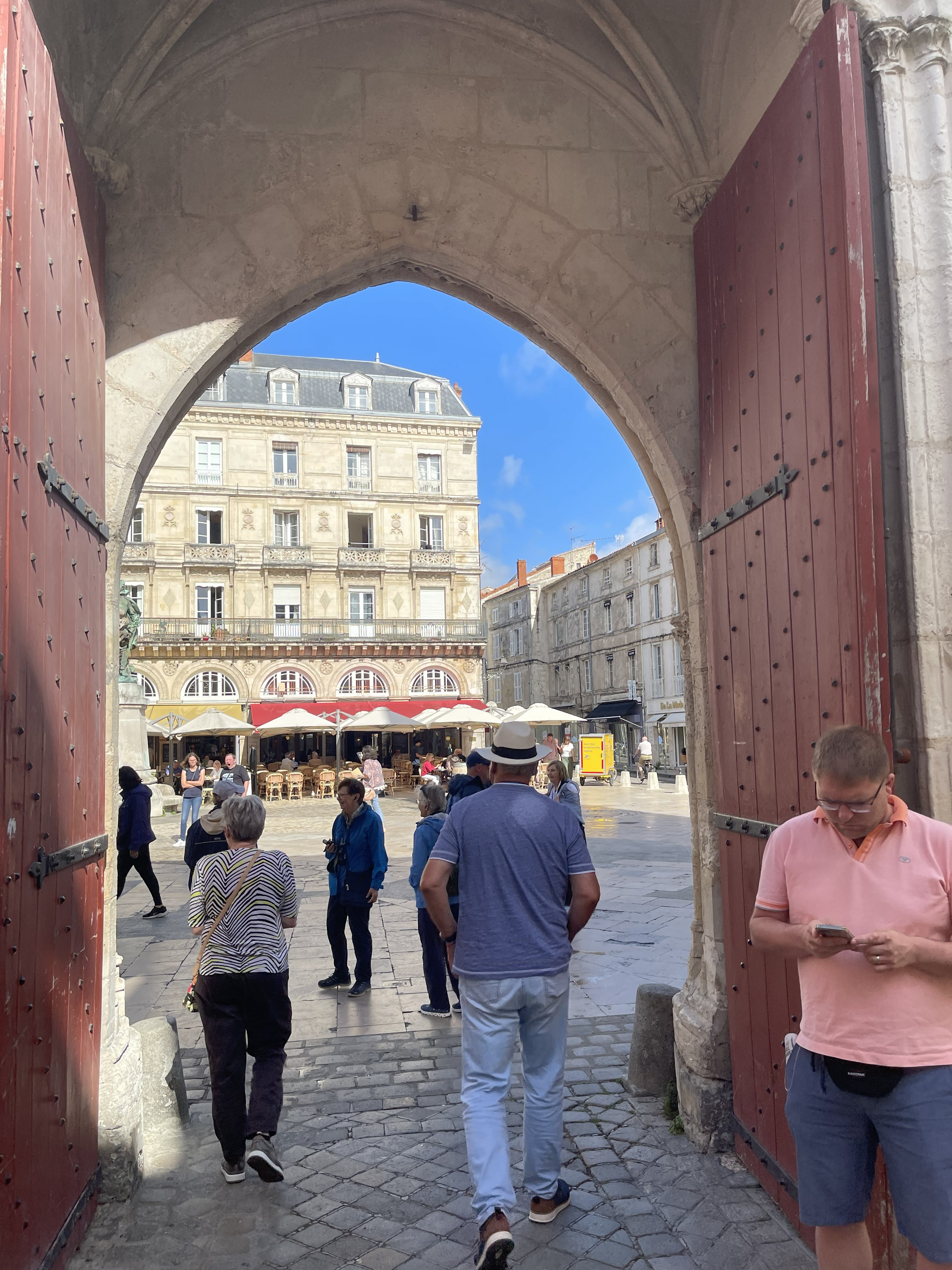
The town hall square
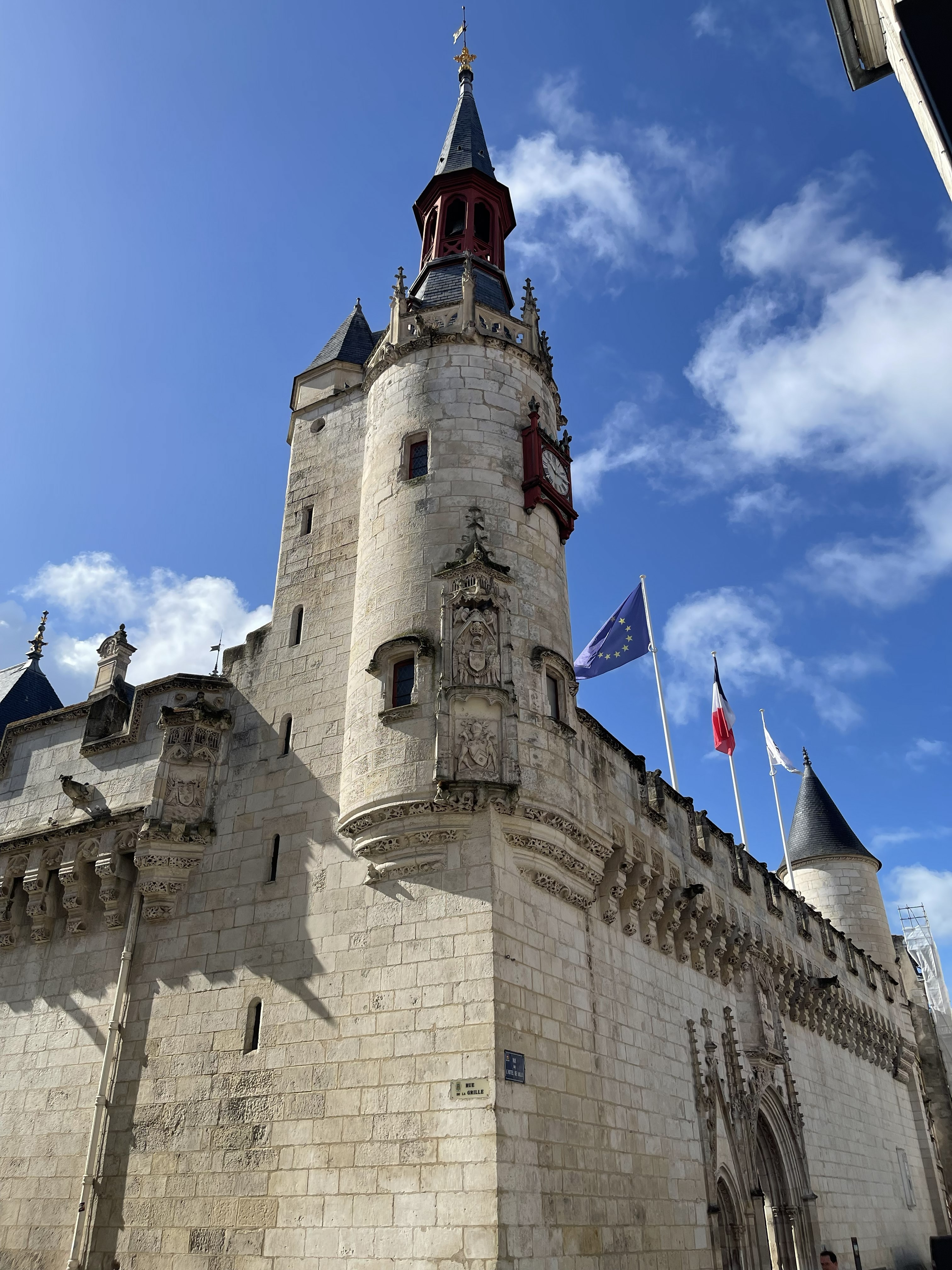
Exterior facade of the town hall
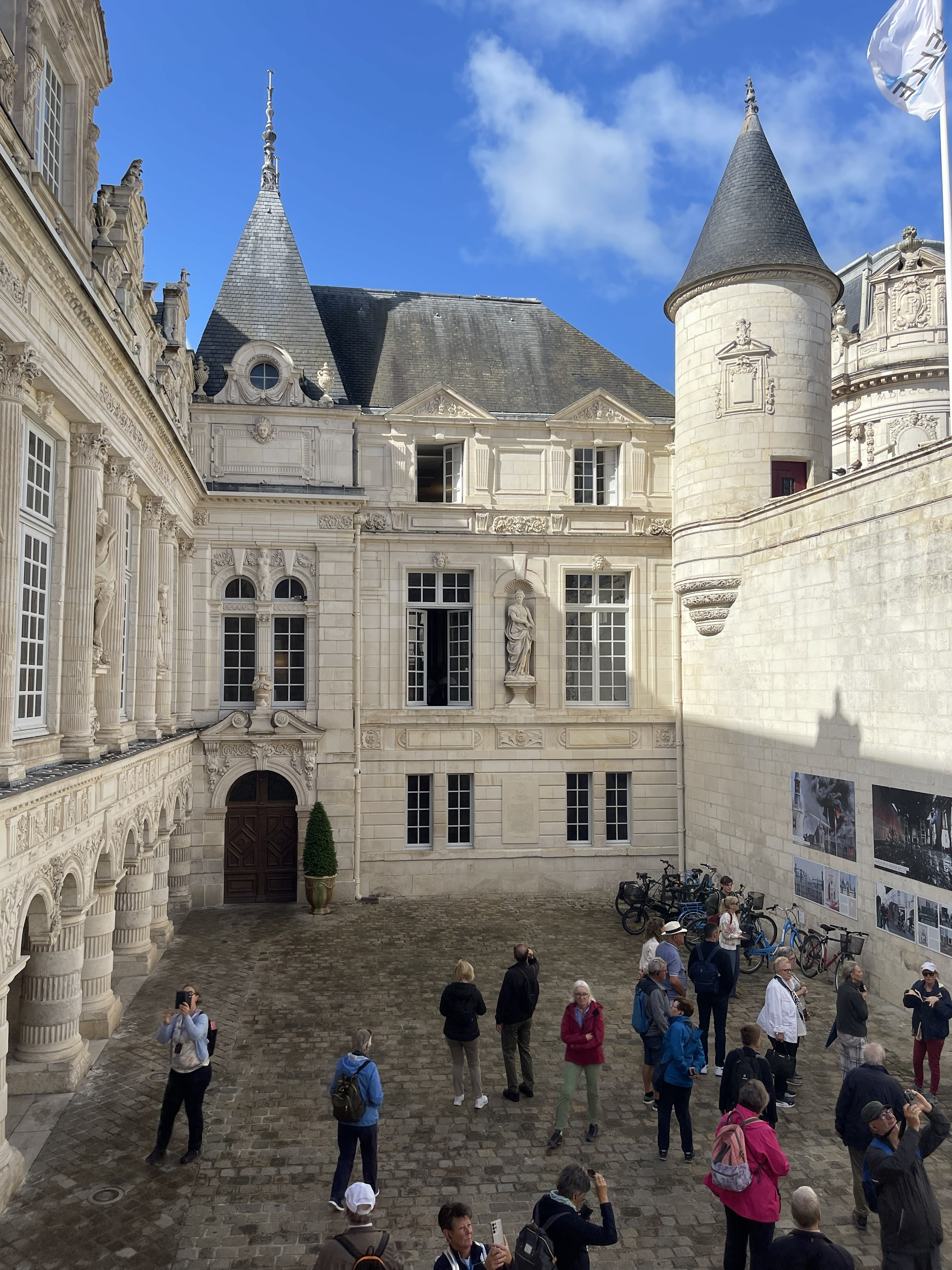
Inner courtyard of the town hall
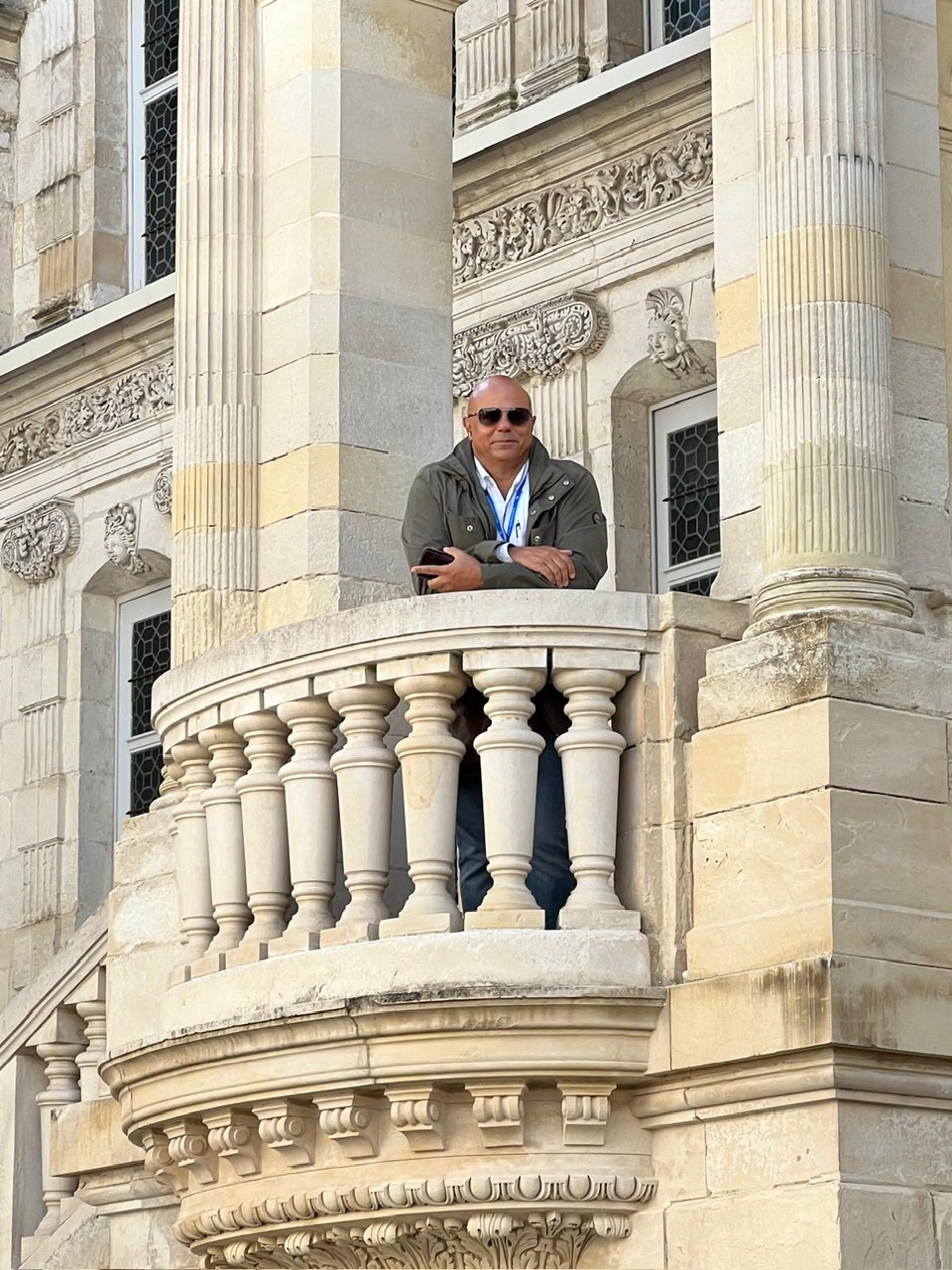
Security guard on the balcony
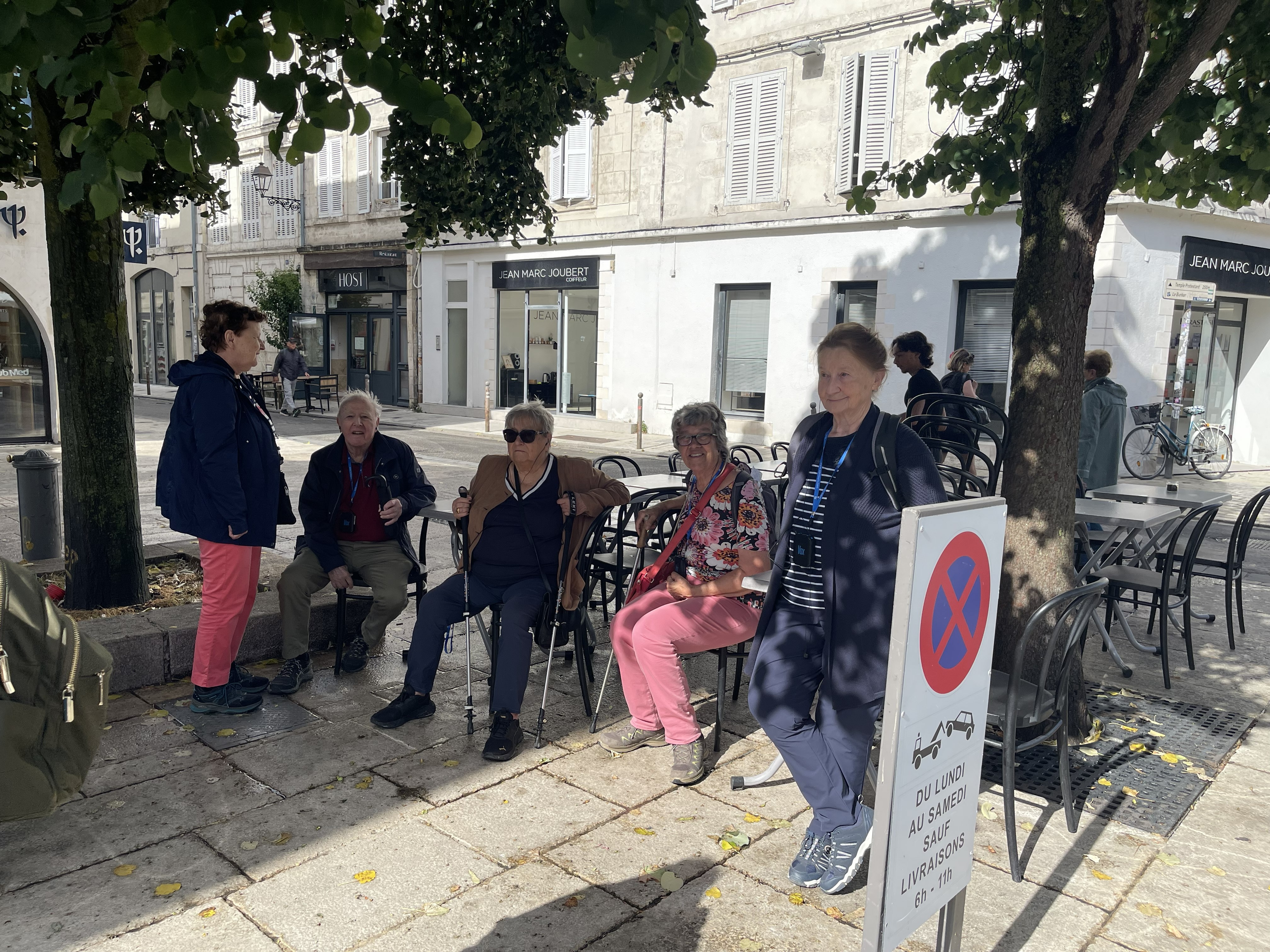
short deserved breather
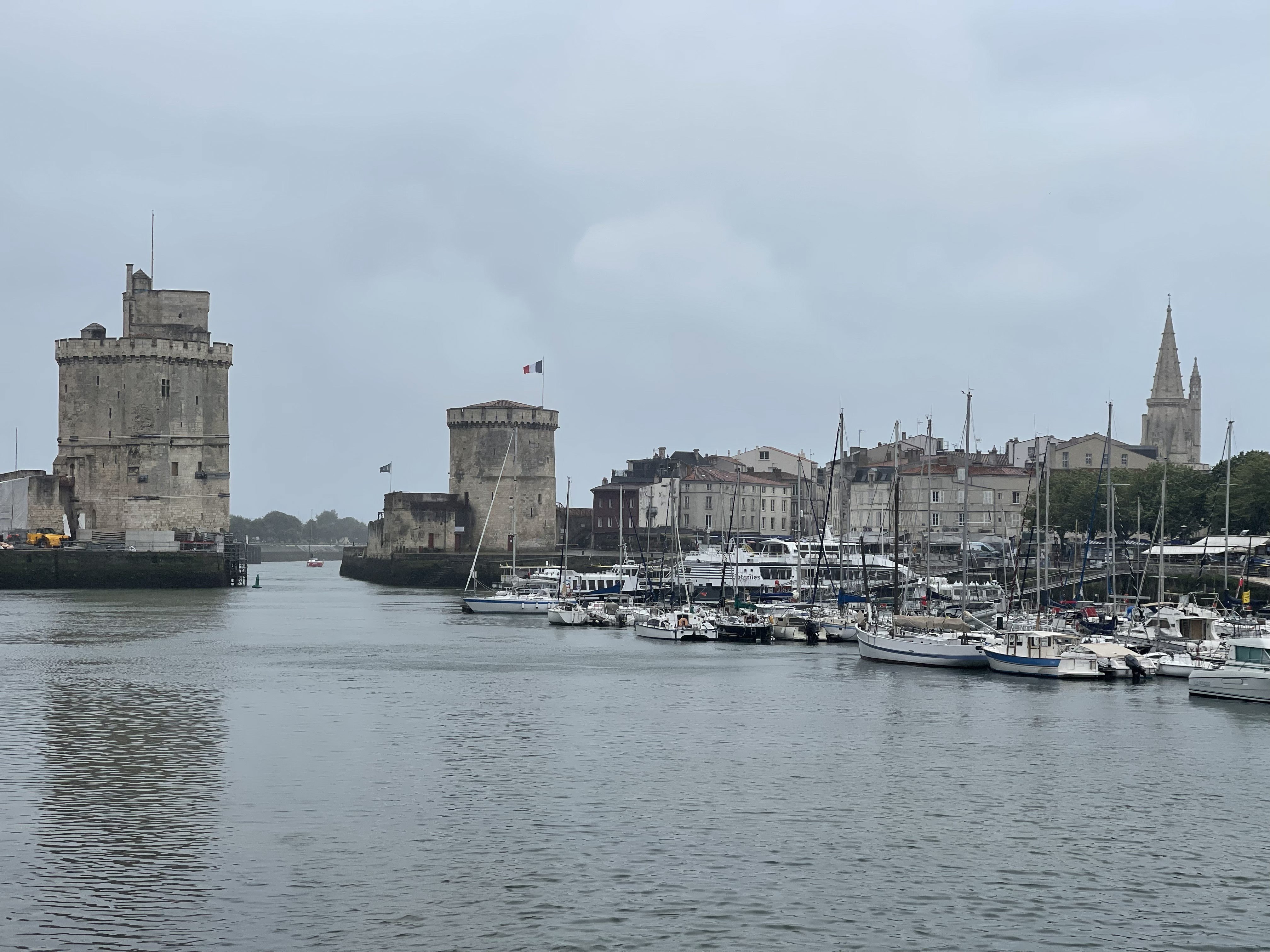
The historic port of La Rochelle
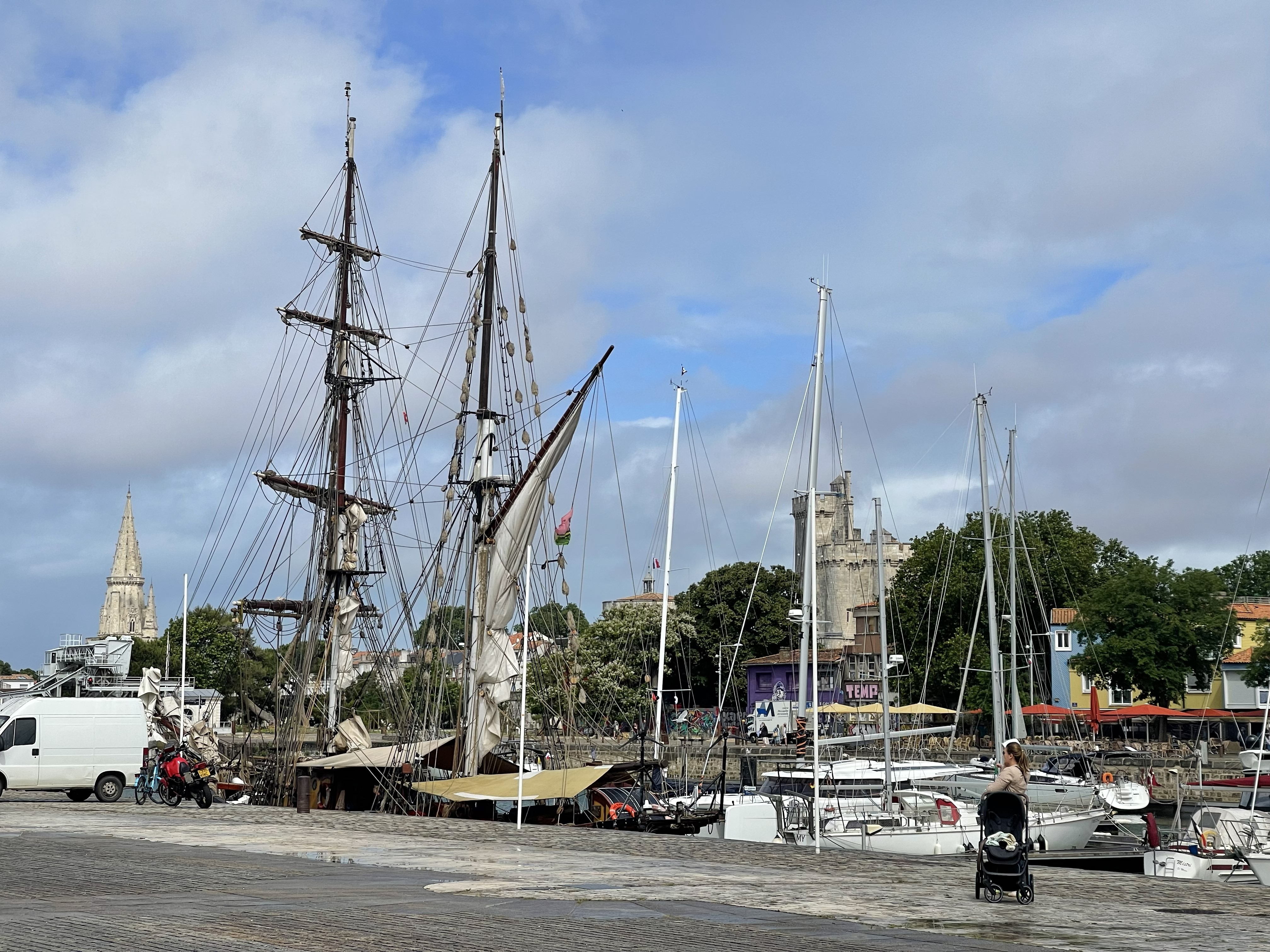
with many sailing yachts of different sizes
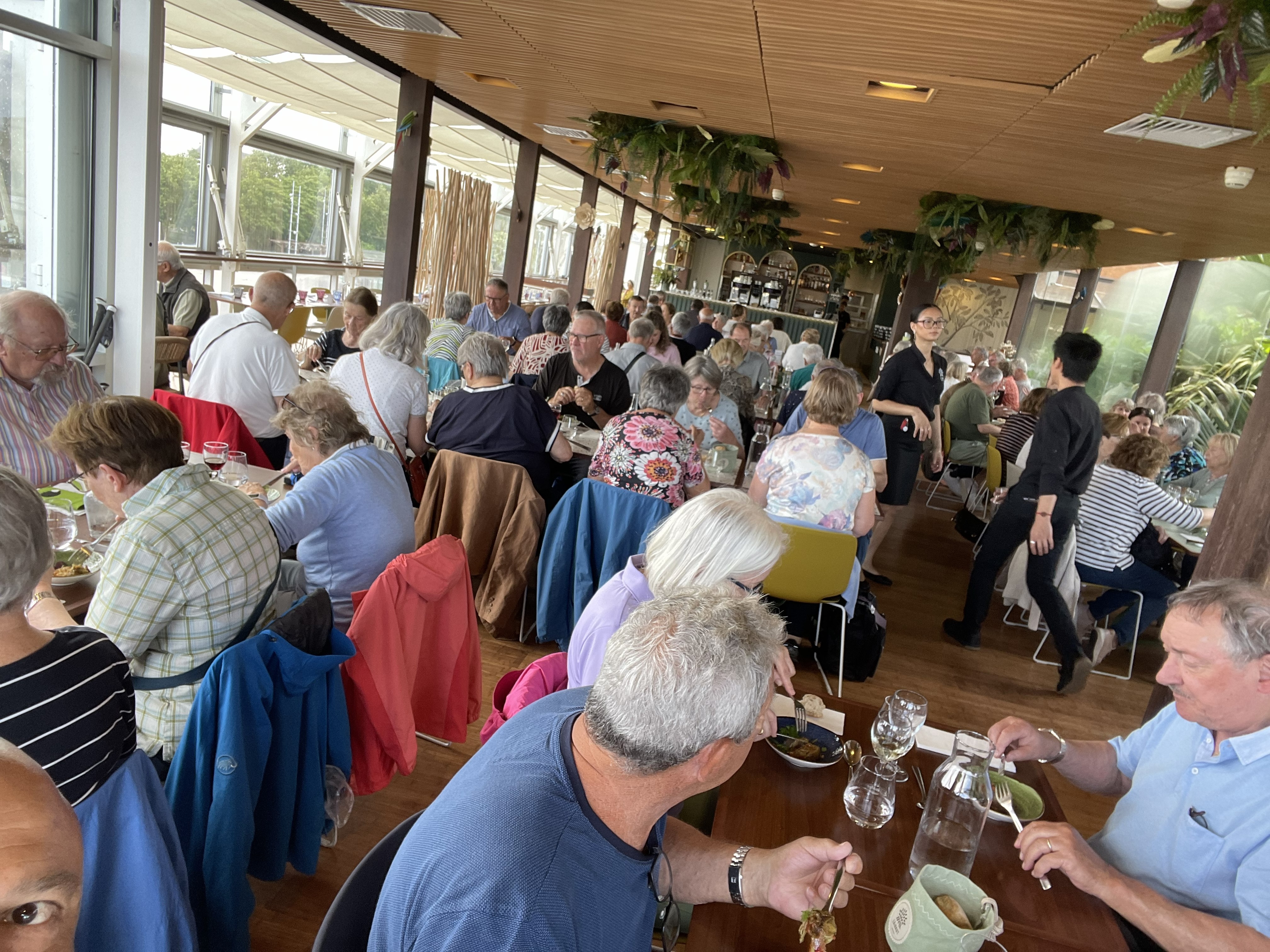
Lunch in La Rochelle
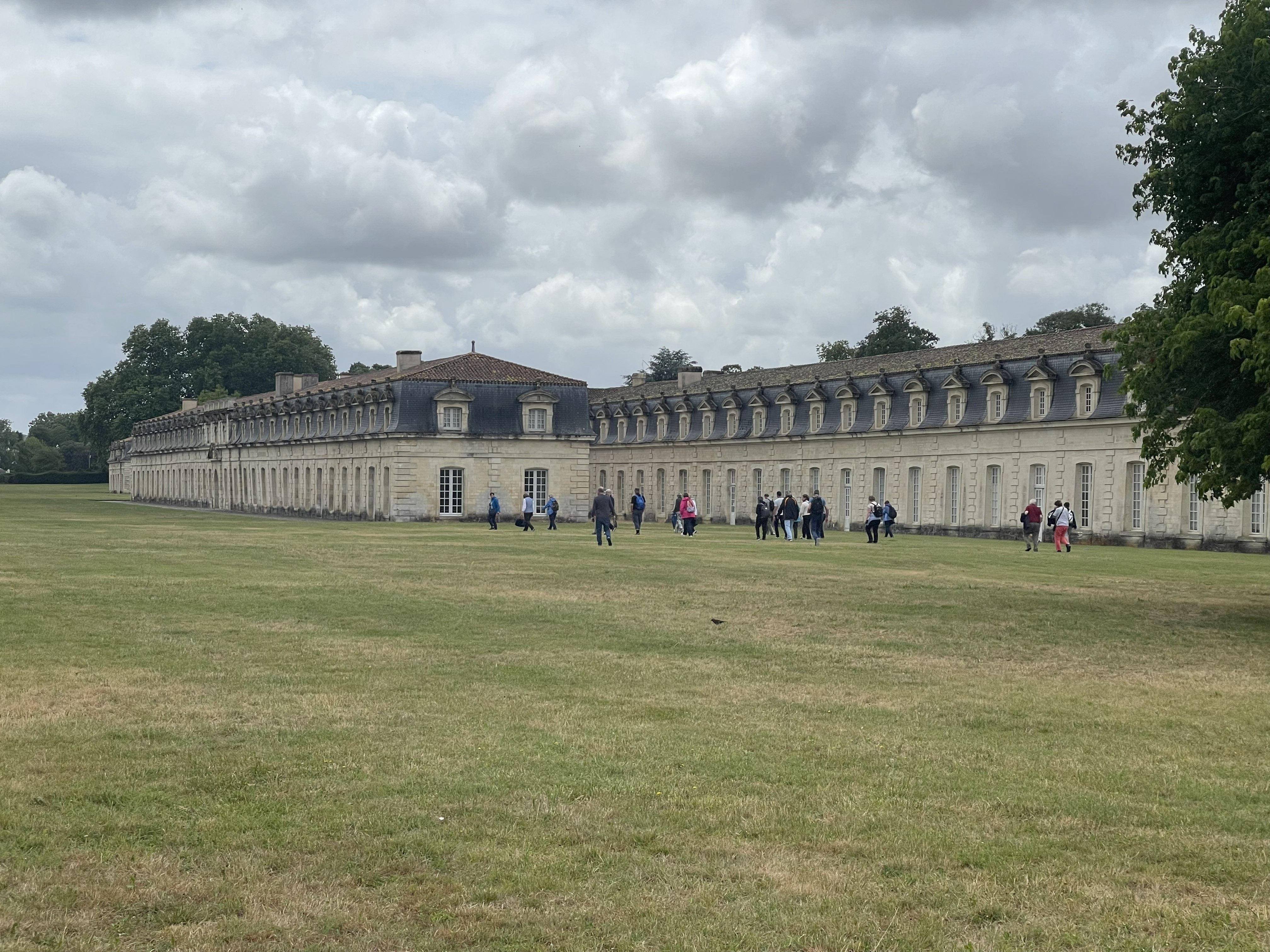
At 374 meters, Corderie Royal was the longest industrial building in Europe in the 17th century
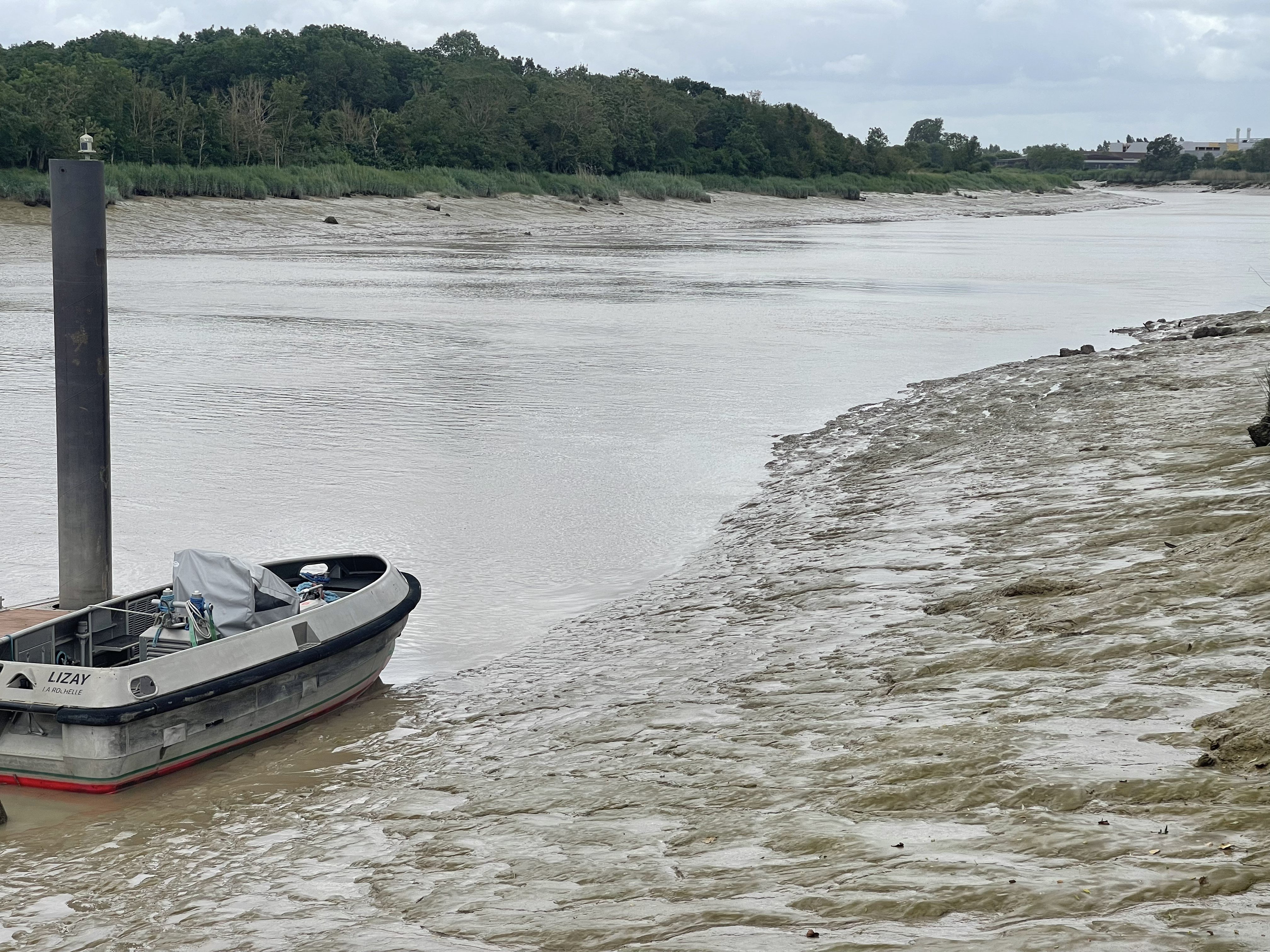
The Charente at low tide next to the Corderie
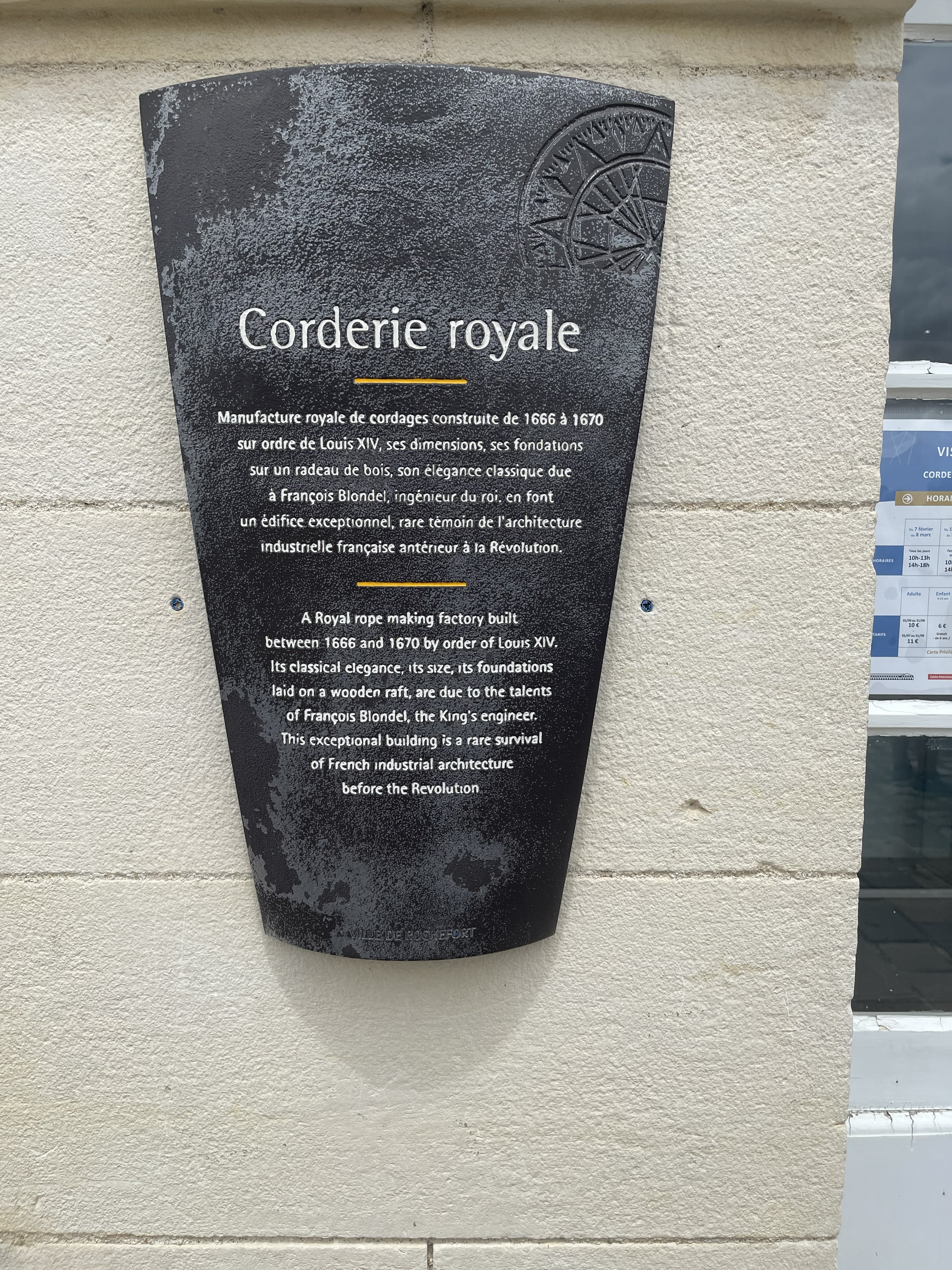
Today the Corderie houses a museum
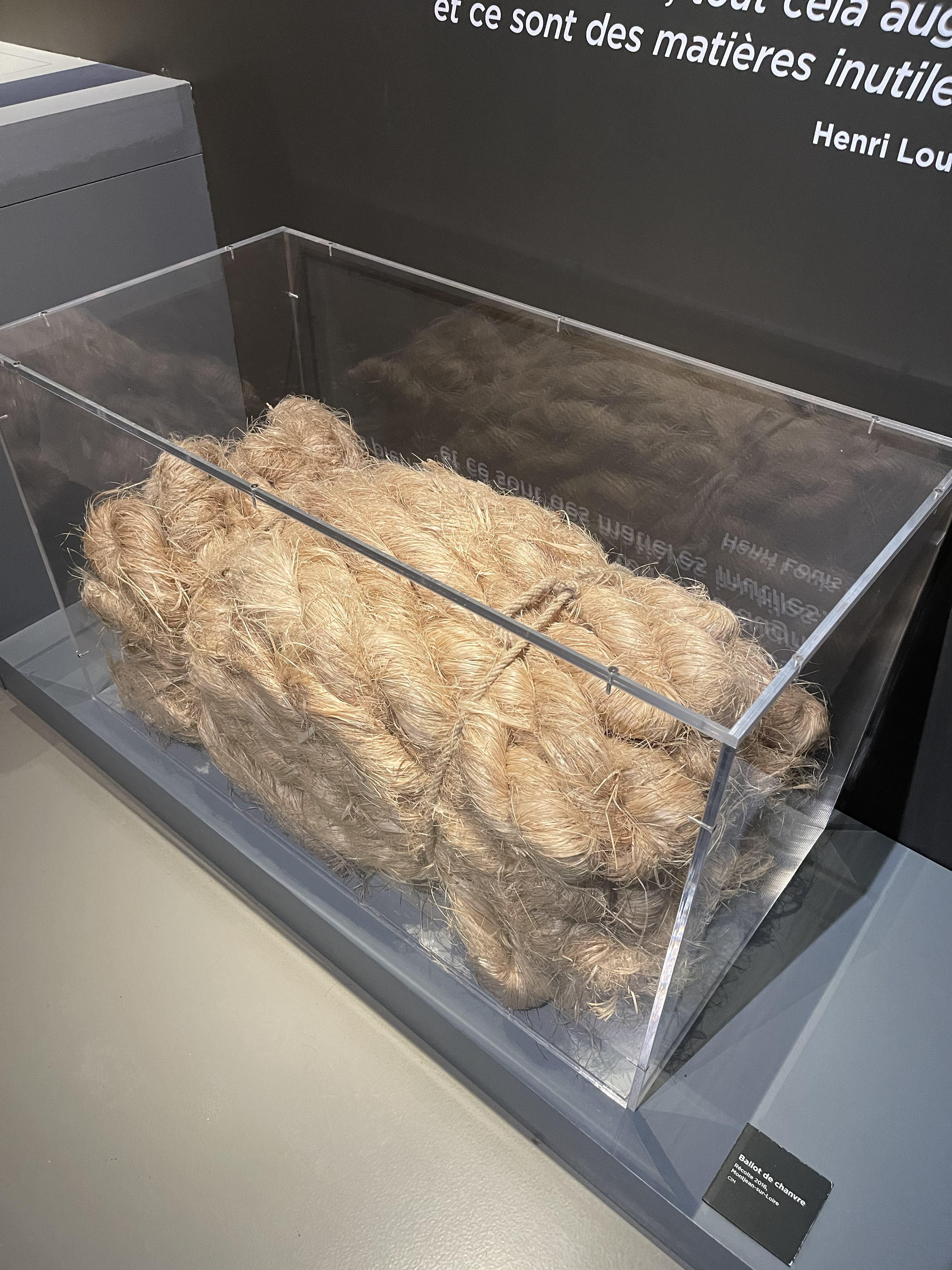
Example of ropes made here
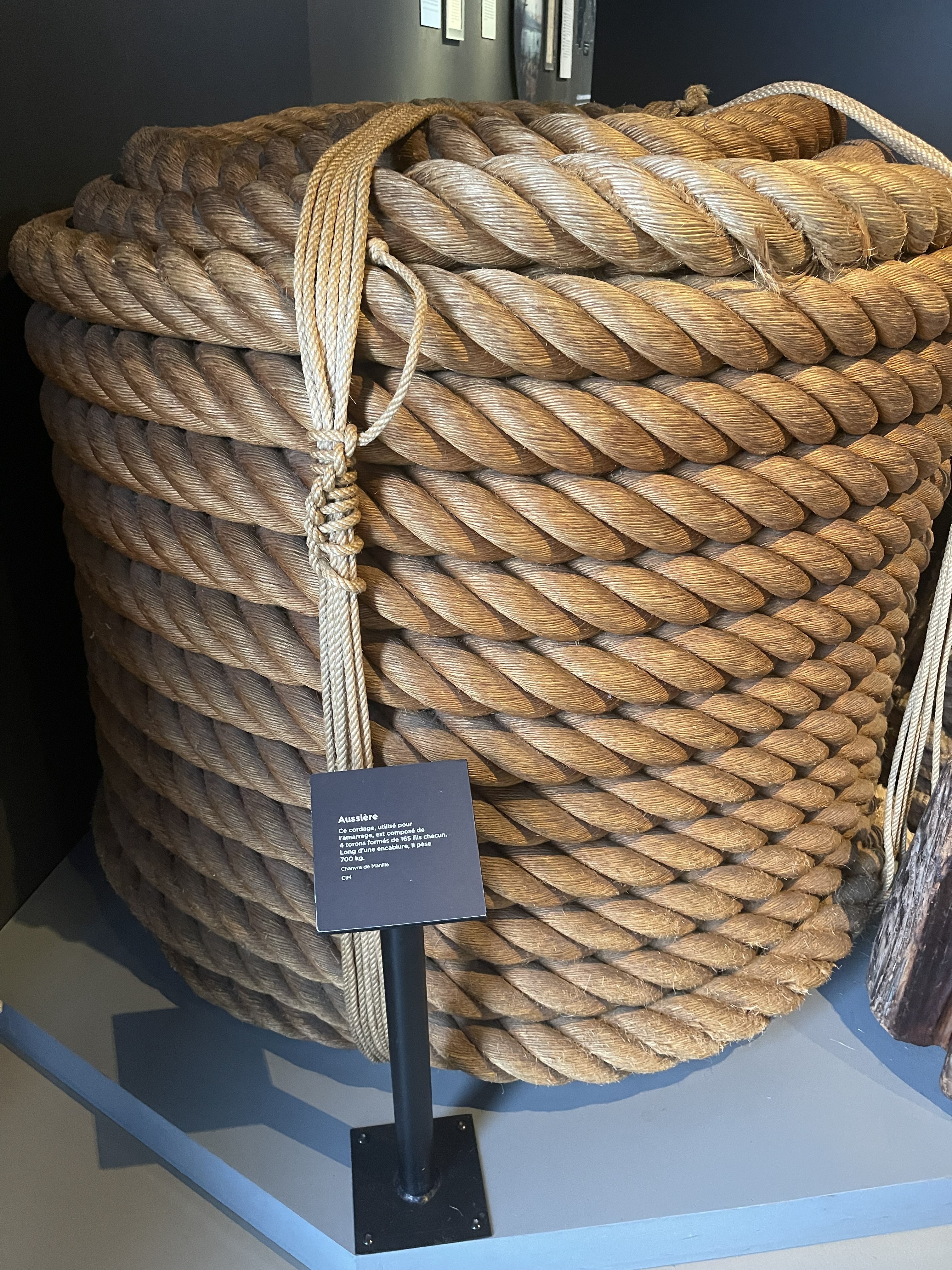
... and always huge ropes
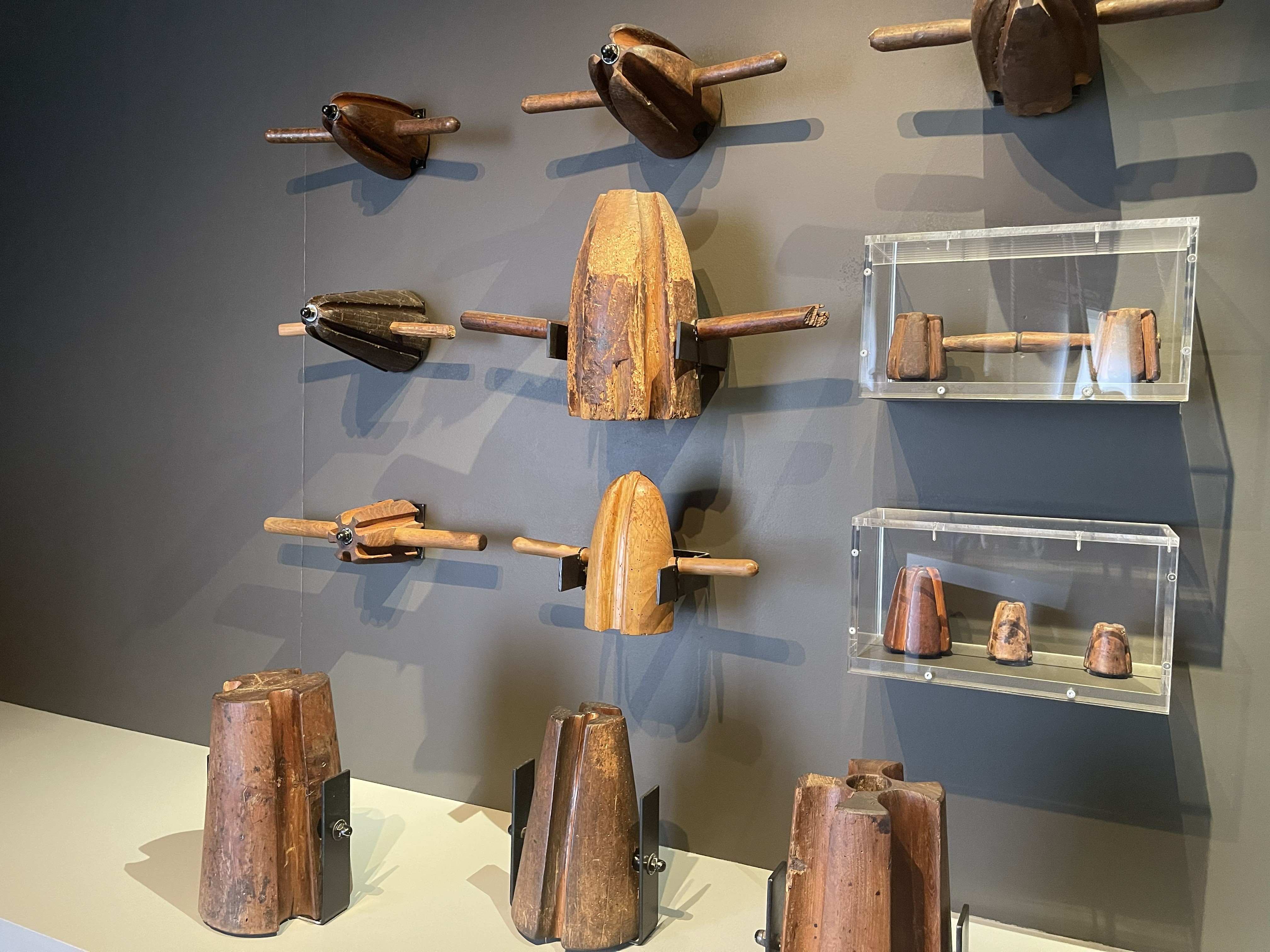
Wooden cords for connecting the ropes
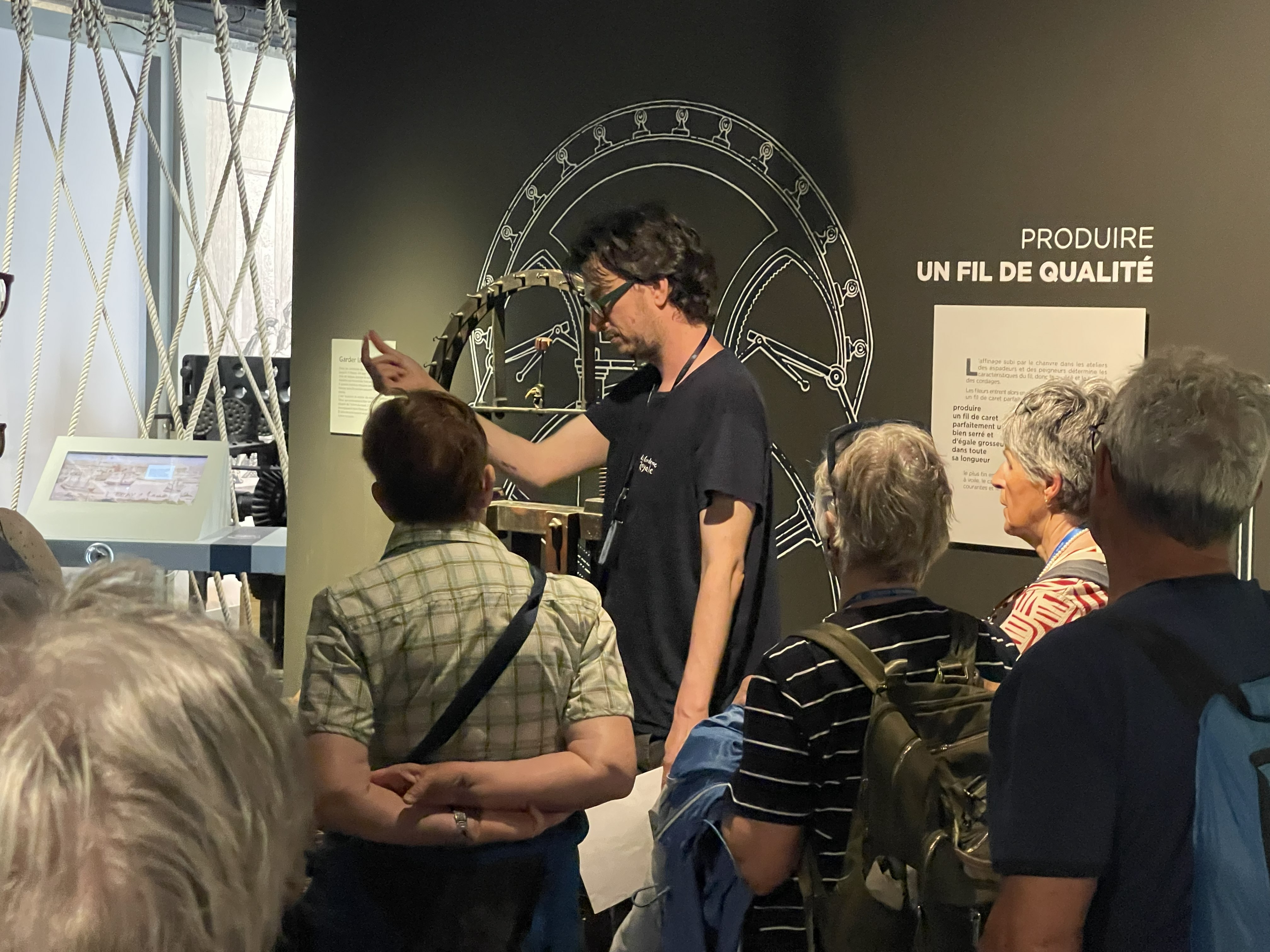
Interesting explanations in the museum
An example of how ropes were twisted in the past
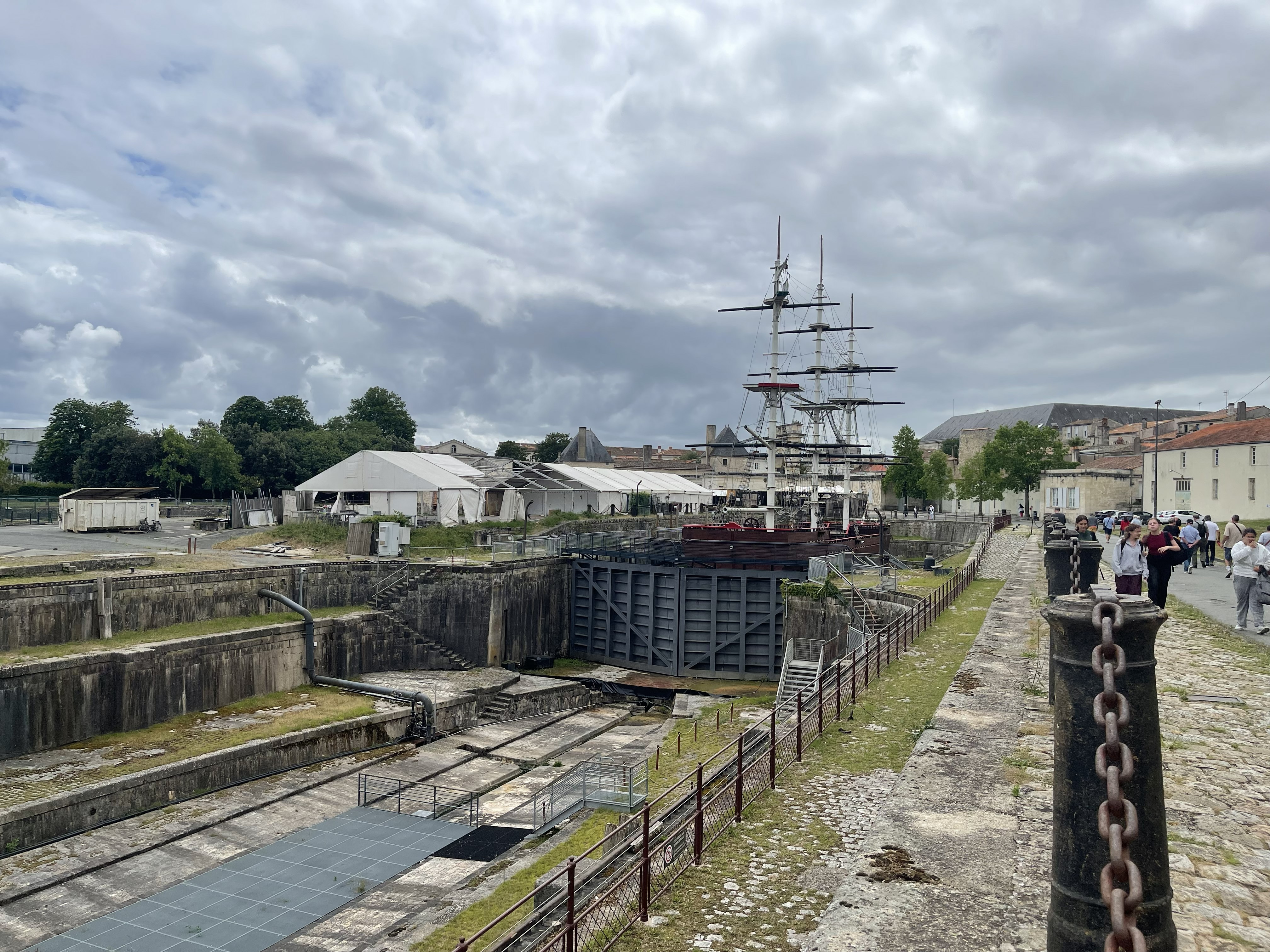
An immense depth of dry dock
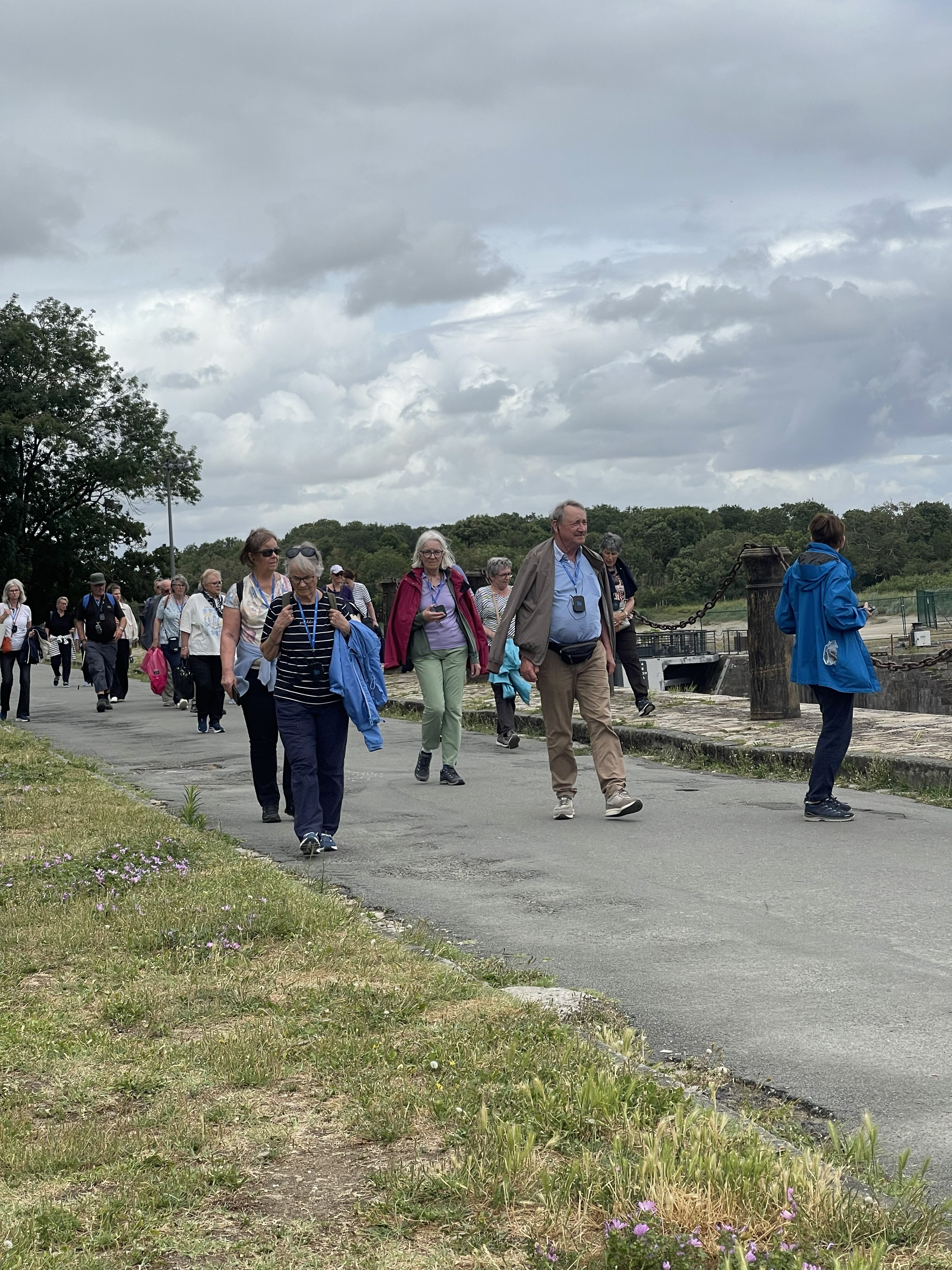
on foot through the naval arsenal
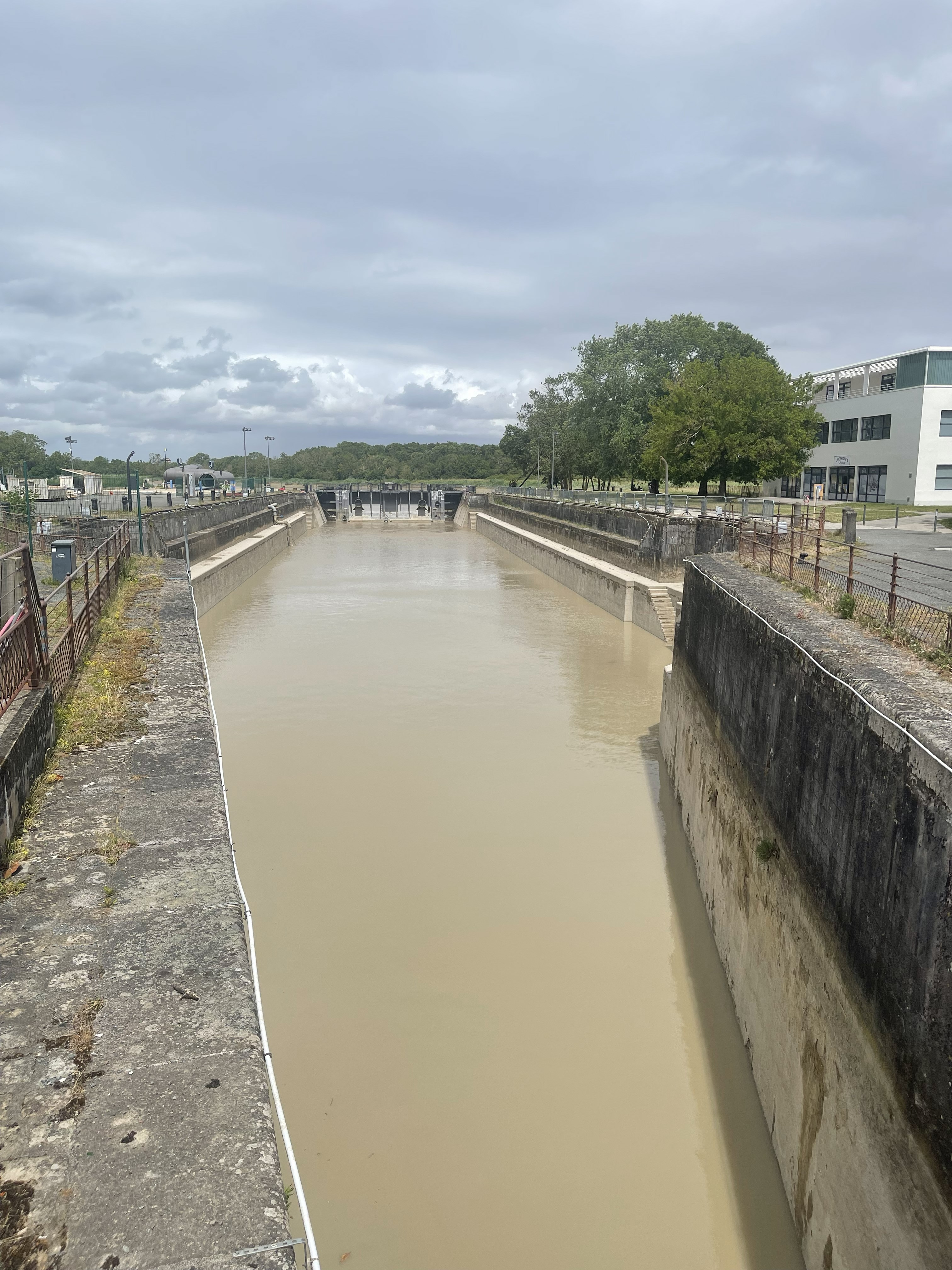
A filled dock
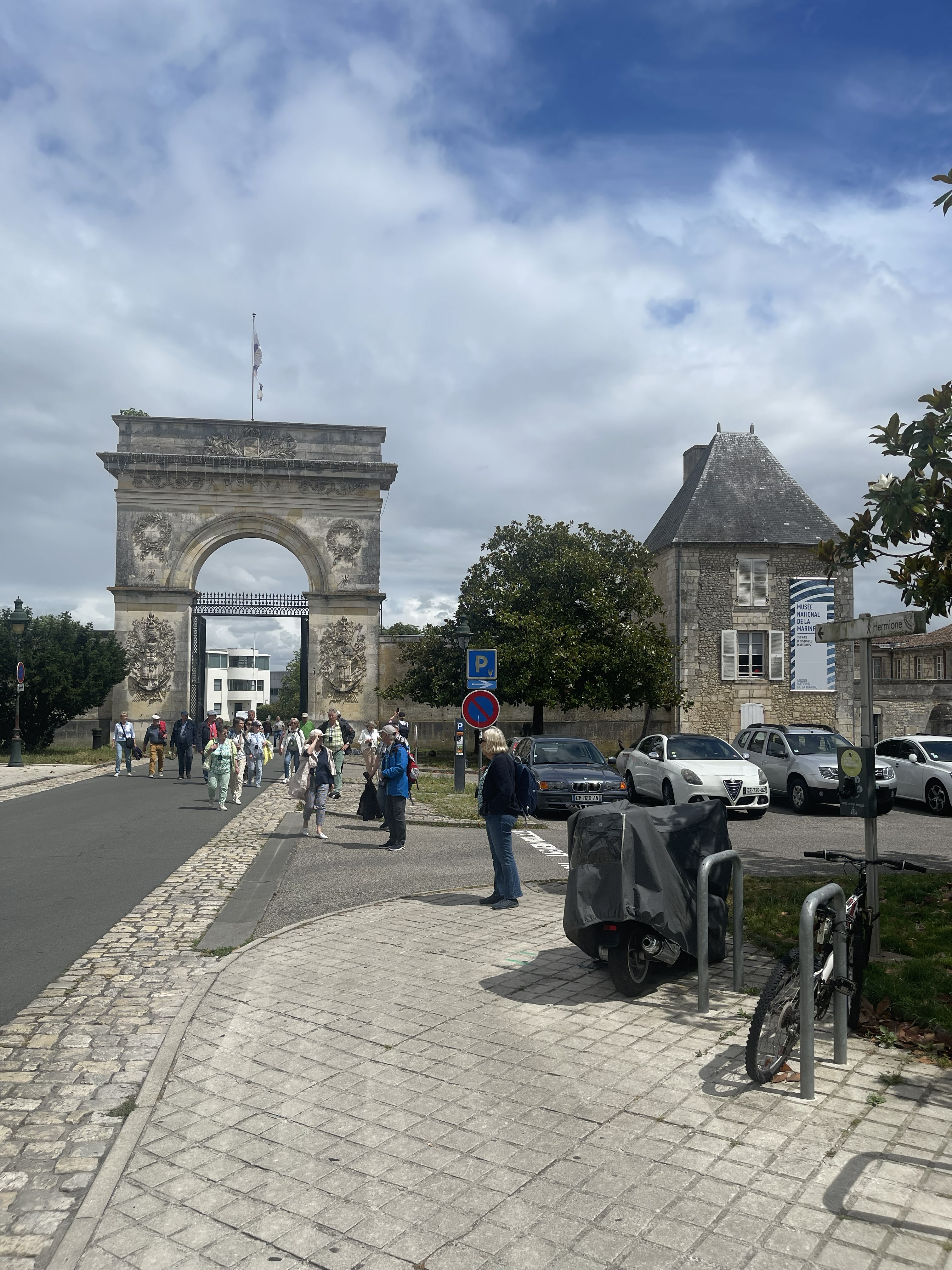
... and back to the bus
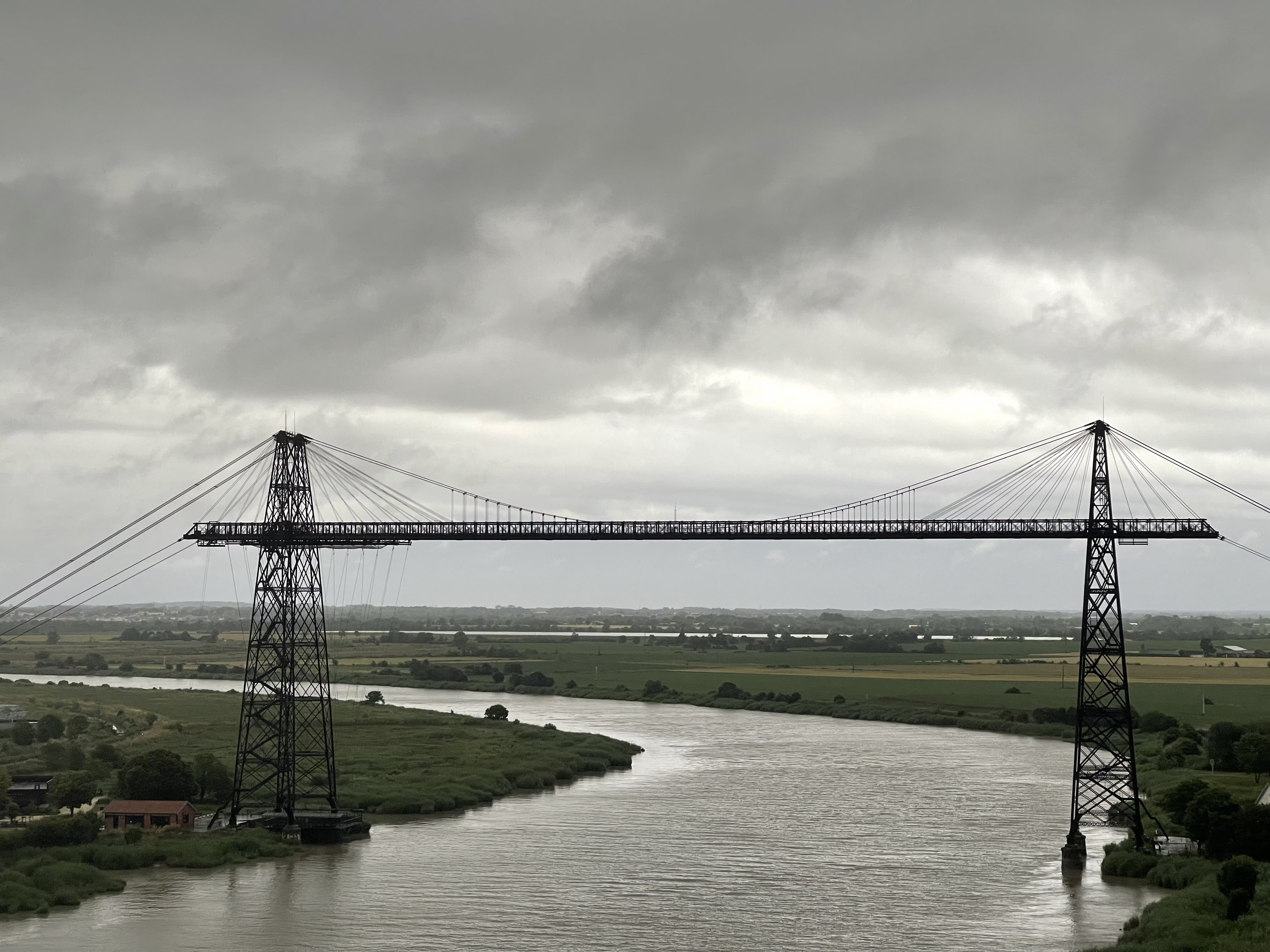
Past the famous suspension bridge
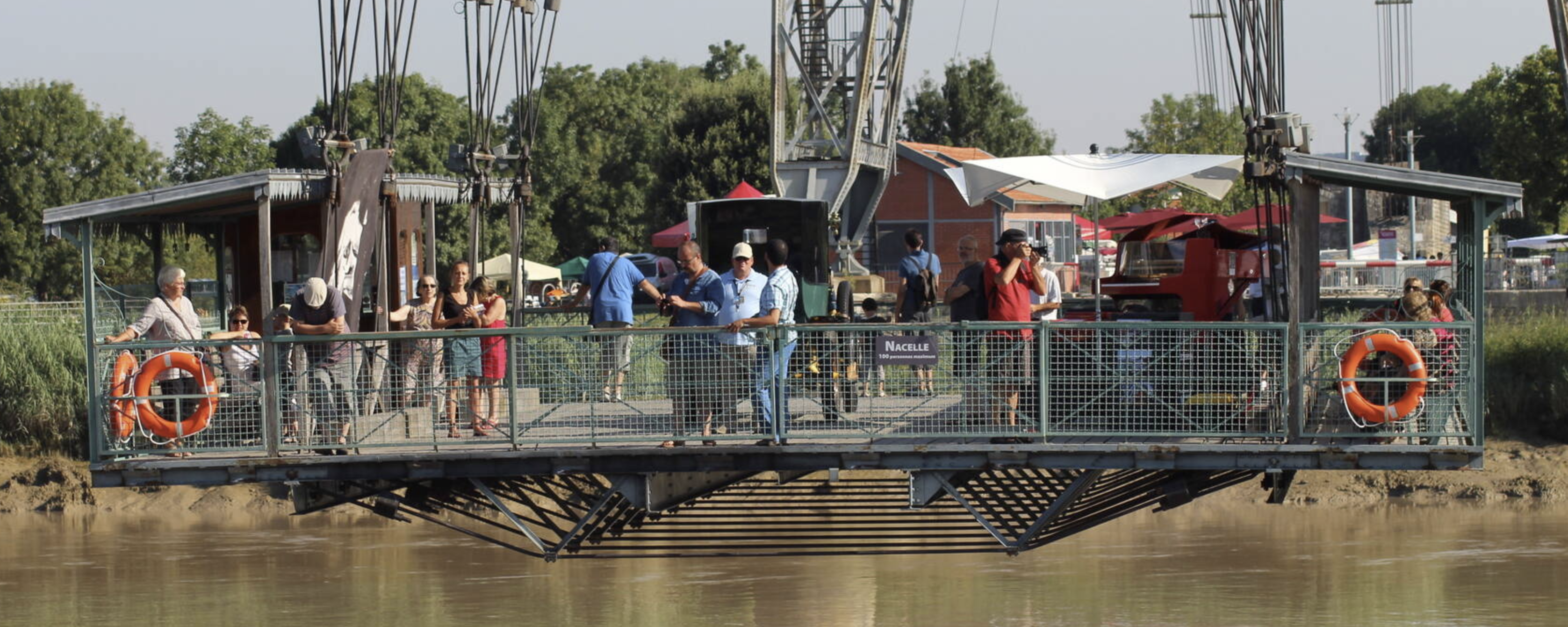
... and so people are transported across the river.
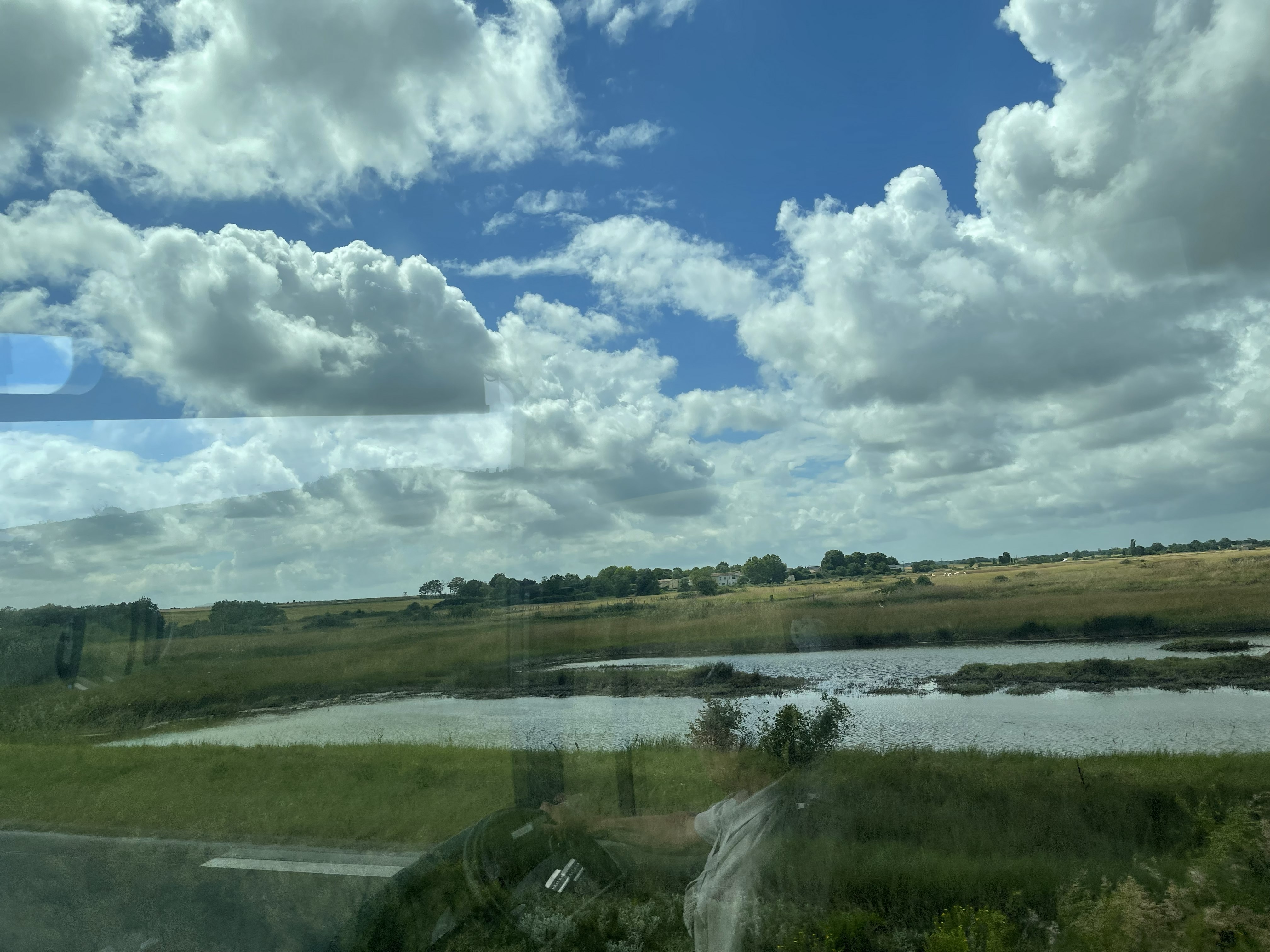
Marennes-Oléron
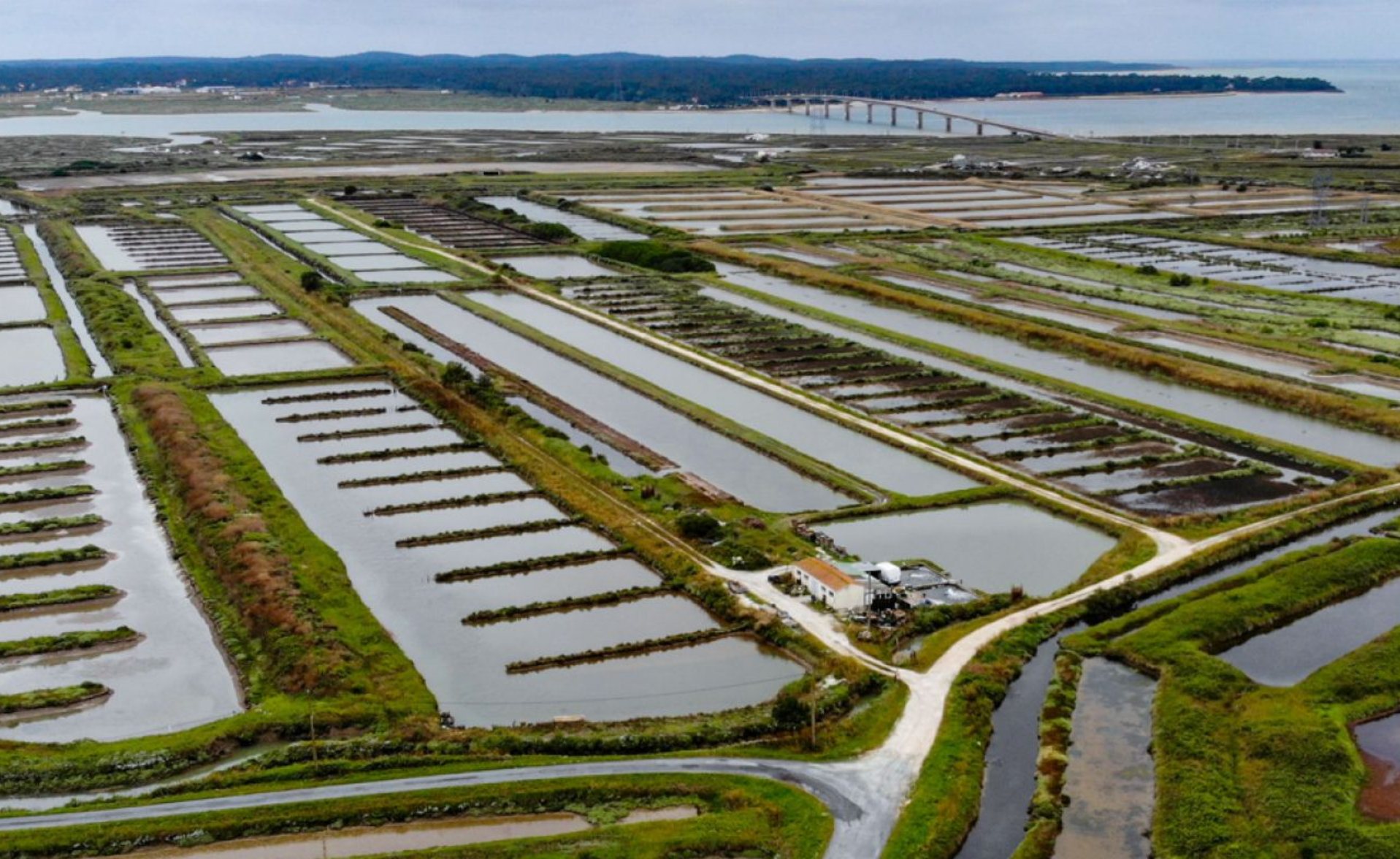
The processing sites in Marennes-Oléron for oyster farming
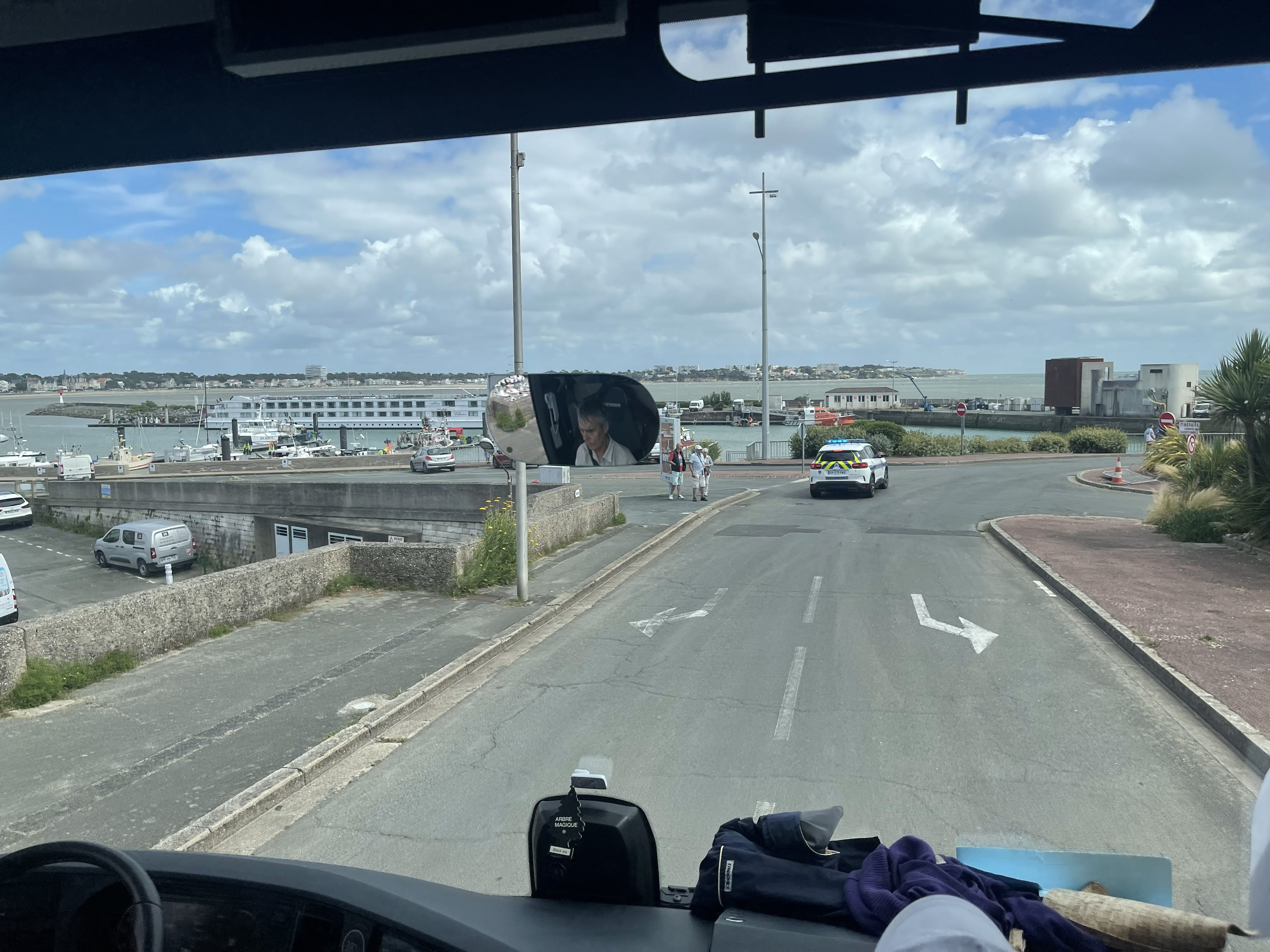
Police escort into the harbor
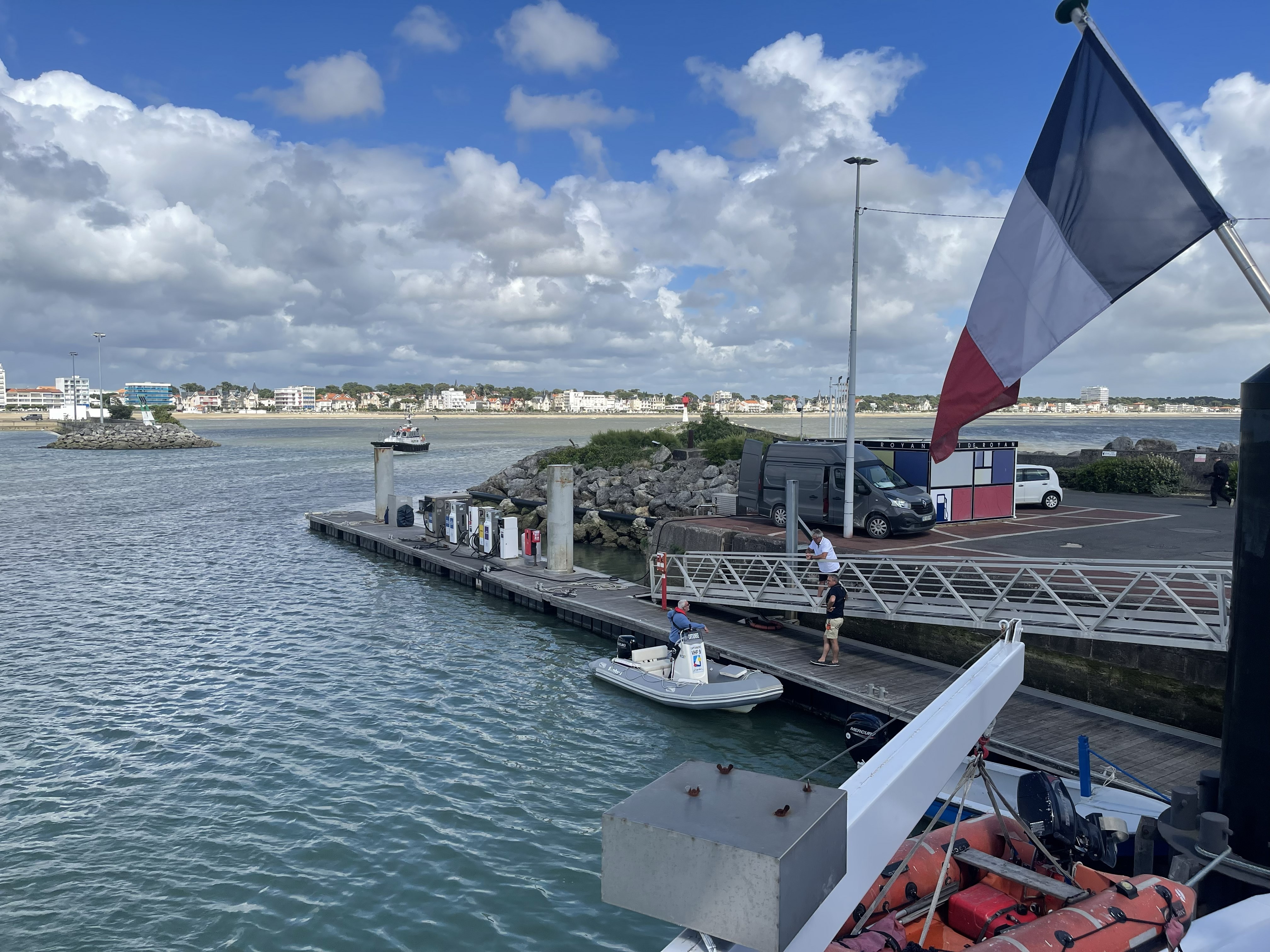
Cast off
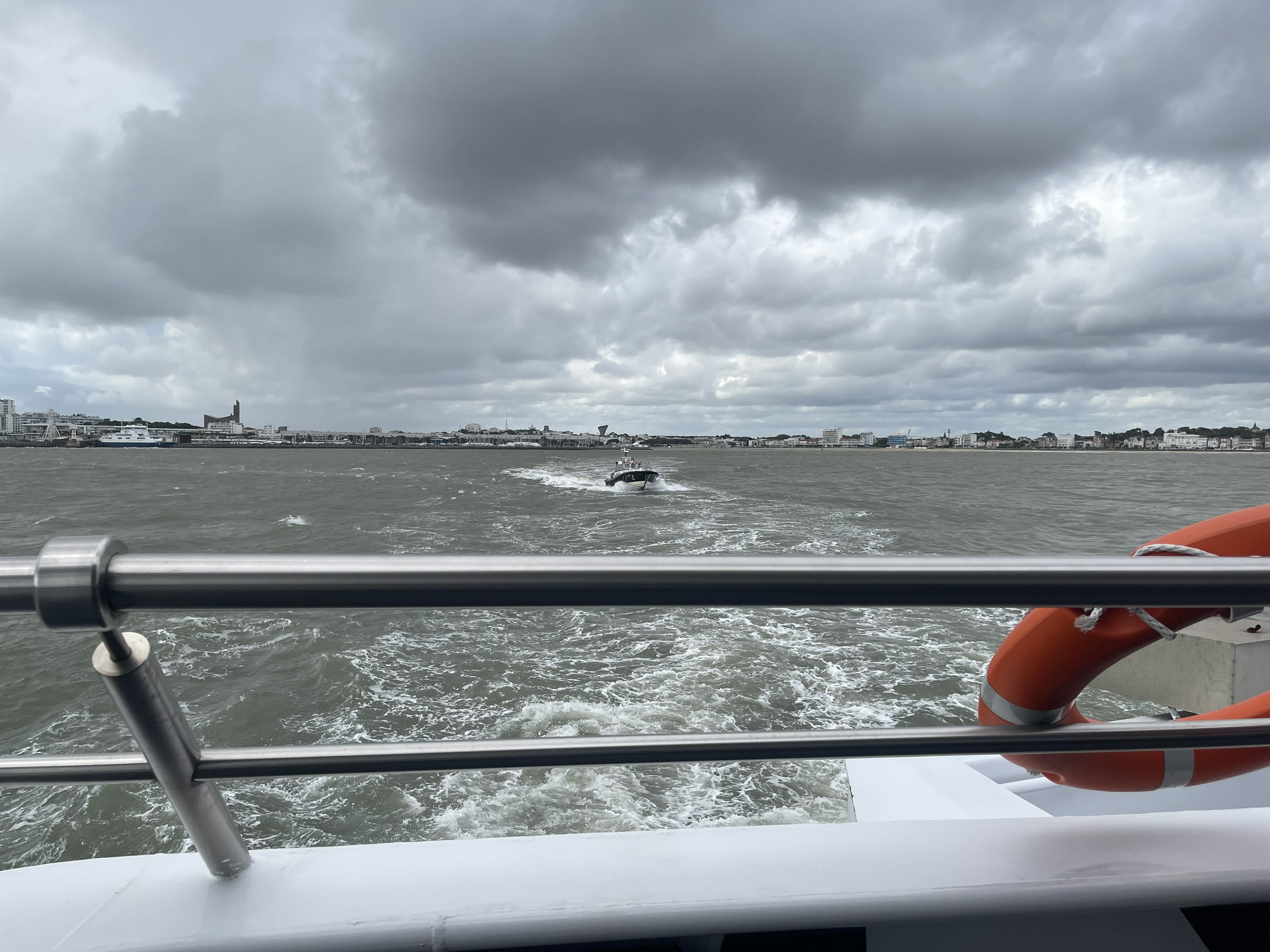
... into the rough Gironde (an aestuary = funnel mouth)
... and again we need a ship pilot
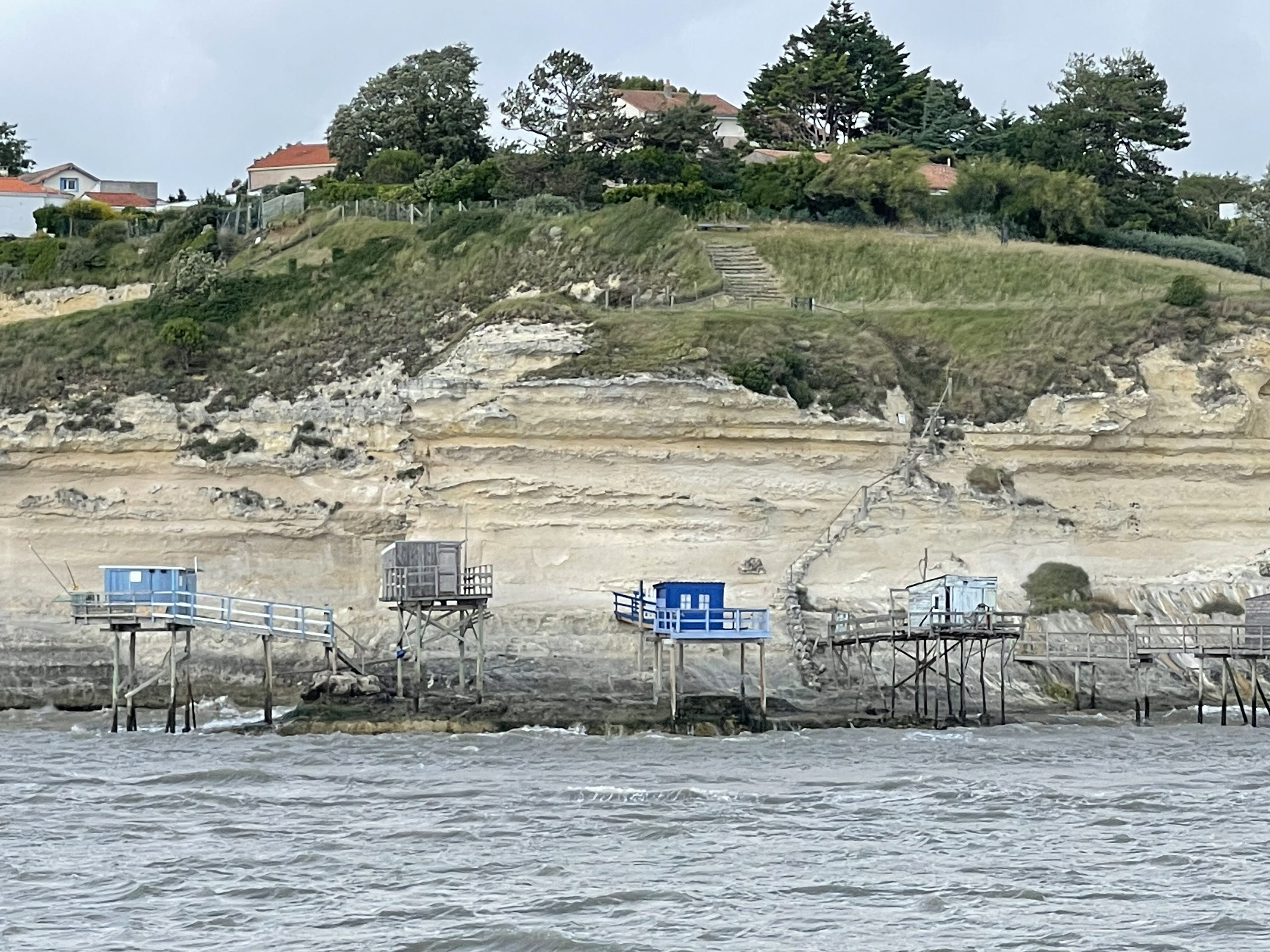
the many "Carrelets" fishing huts on stilts
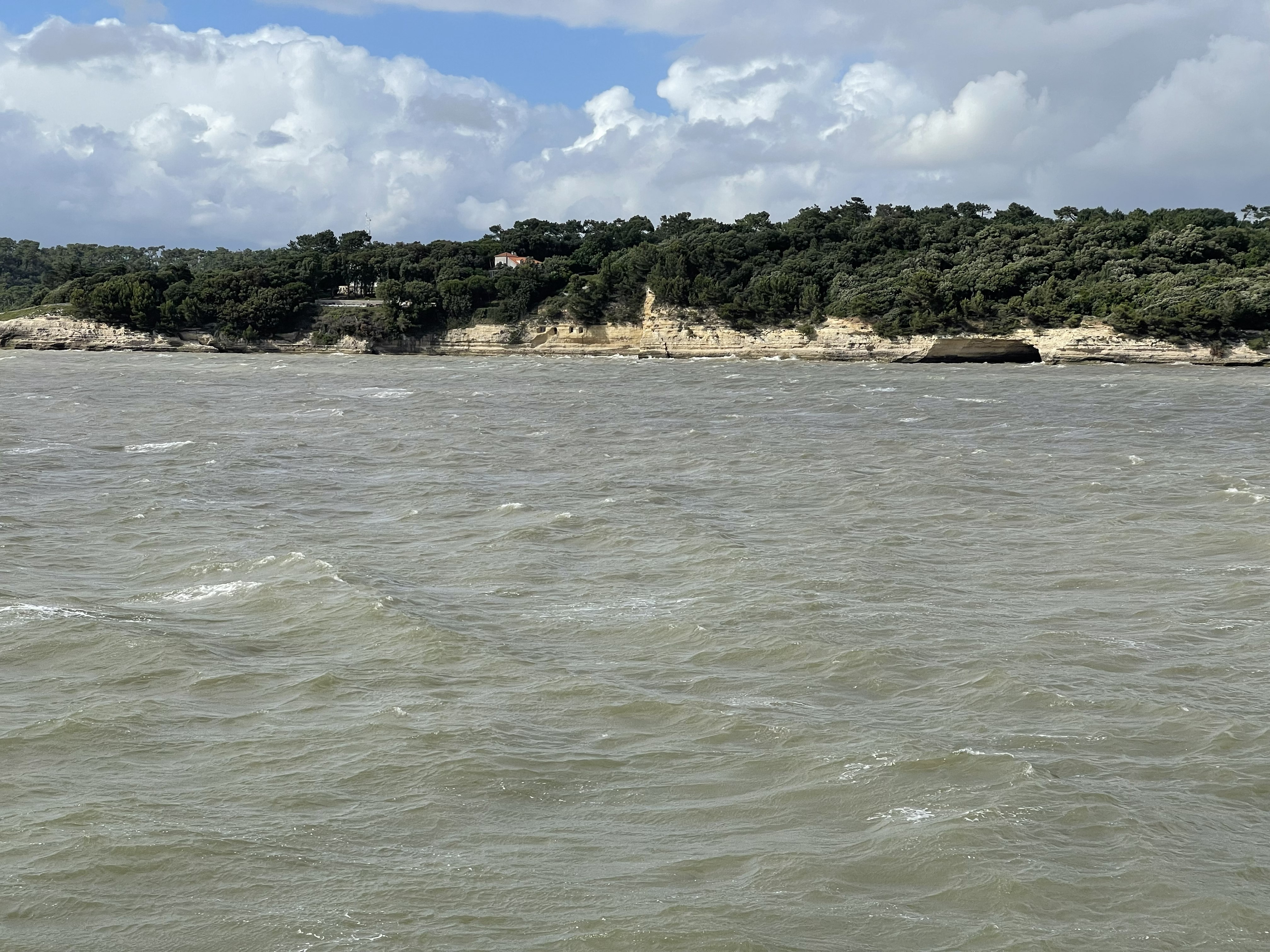
the wind whipped up the water
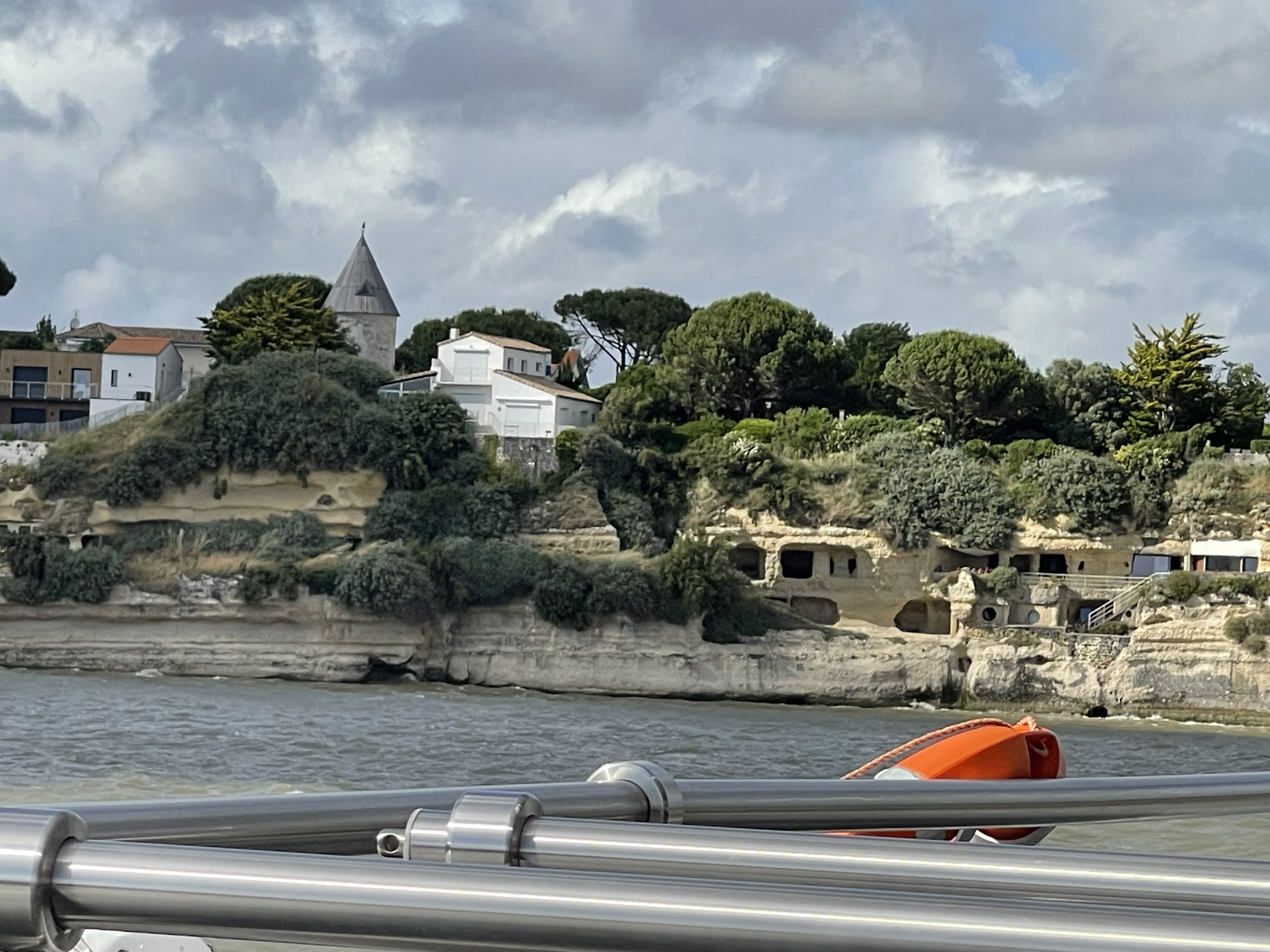
past beautiful beach villas
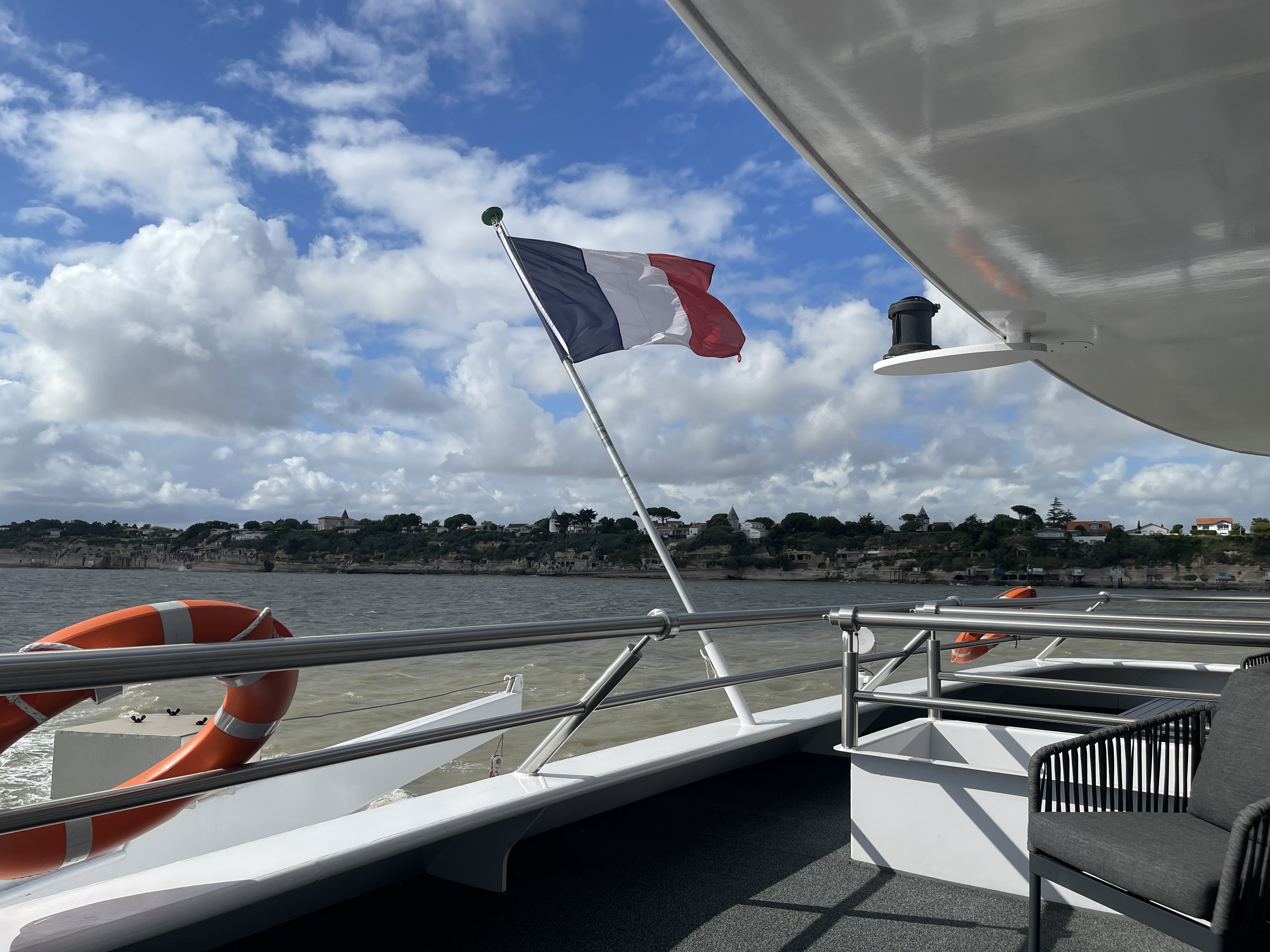
on the wind-protected stern with a wonderful view
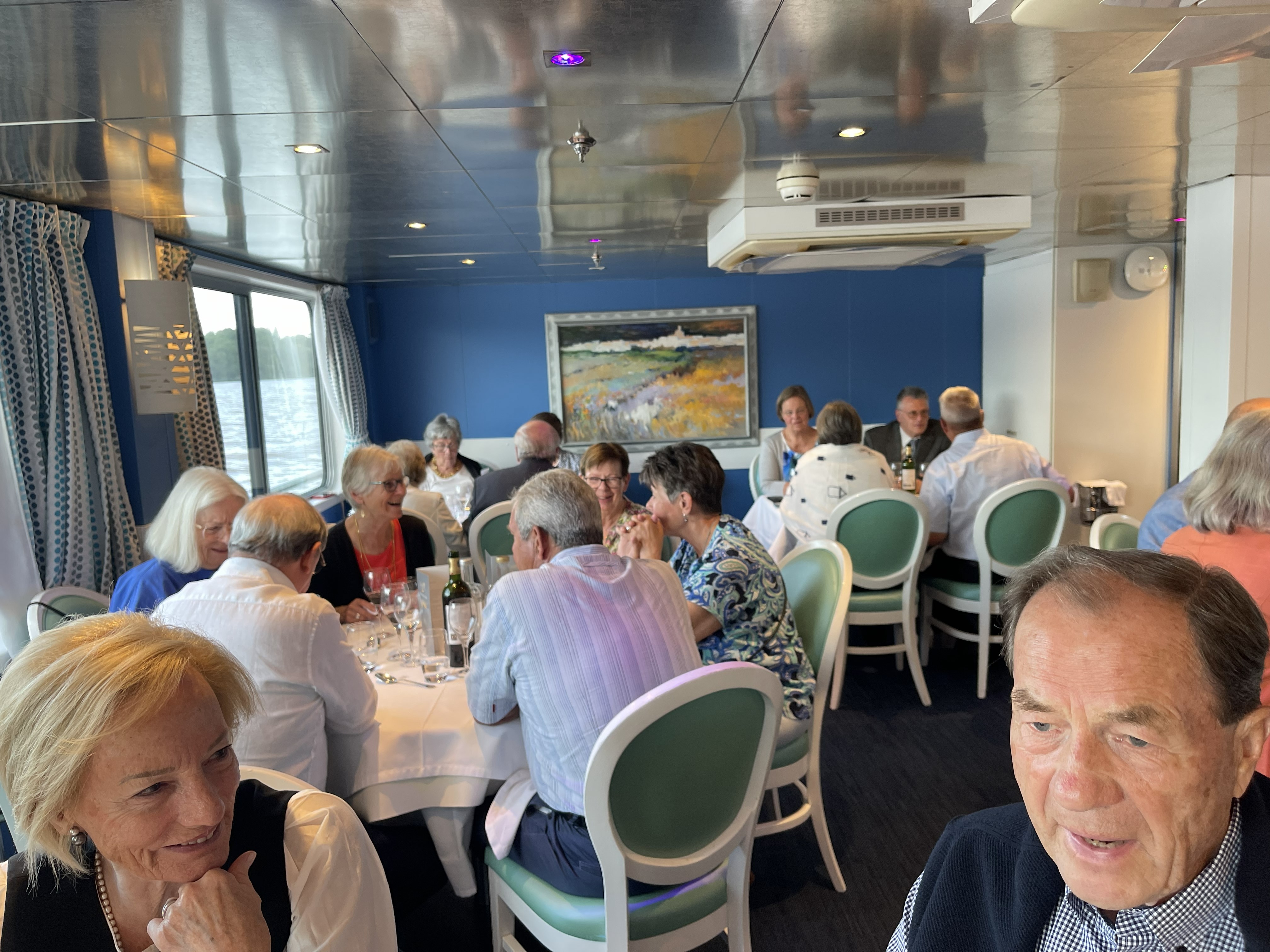
... one of the many dinners on our ship
Day 4 Visit to the wine region of Saint-Emilion and Libourne
Saint Emillion
Today our excursion took us to another world-famous wine-growing region: Saint-Émilion. While the Médoc is known for its great red wines on the left side of the Gironde, the famous vineyards of Saint-Émilion lie east of Bordeaux on the right side of the Dordogne.
There are hundreds of wineries here too - from small family businesses to internationally renowned châteaux. However, a visit to a winery was not on the agenda until later. First we set out to discover the historic village of Saint-Émilion.
The picturesque town looks back on over 1,000 years of history and has been a UNESCO World Heritage Site since 1999. To this day, numerous religious buildings testify to its importance as a pilgrimage site on the Way of St. James. Over the centuries, various religious orders settled here, including the Benedictines, Augustinians, Franciscans - known here as Cordeliers - and the Dominicans, often called Jacobins in France.
Monolithic church
However, Saint-Émilion is particularly famous for its extraordinary monolithic church. Historians assume that the construction was started in the 11th century by Benedictine monks and was later expanded by Augustinian canons. The special thing about it: The church was not built, but was carved directly out of the massive limestone rock. Today it is one of the largest monolithic churches in Europe.
Saint Emilion himself lived as a hermit in a small cave in this place as early as the 8th century. However, the monumental church was only built around 300 to 400 years after his death, when Saint-Émilion had become an important pilgrimage center on the Way of St. James.
We were also able to visit the interior of this impressive building. The huge rooms, carved directly out of the rock, left a lasting impression on many guests. There is a very special atmosphere there - quiet, mystical and full of history.
There was then enough time to explore Saint-Émilion on your own. The narrow streets, the historic buildings and the numerous wine shops invite you to stroll. Many guests took the opportunity to have a coffee or browse through the small shops.
Macarons de Saint-Emilion
Of course, a local specialty couldn't be missed: the famous Macarons de Saint-Émilion. This almond pastry is made according to a recipe that is over 500 years old and is one of the village's culinary landmarks. The small delicacies were very well received by our group.
After staying in the village, the drive took us through the rolling hills and vineyards of Saint-Émilion to a smaller family winery. An exciting tour awaited us there with an extremely committed winemaker.
Wine tasting
She explained with great passion the special features of viticulture in the region, the differences between the grape varieties and the individual steps from the grape to the bottle. Her introduction to the art of wine tasting was particularly interesting. We learned how important the sense of smell is when assessing a wine and how many different aromas can be discovered before you even take the first sip.
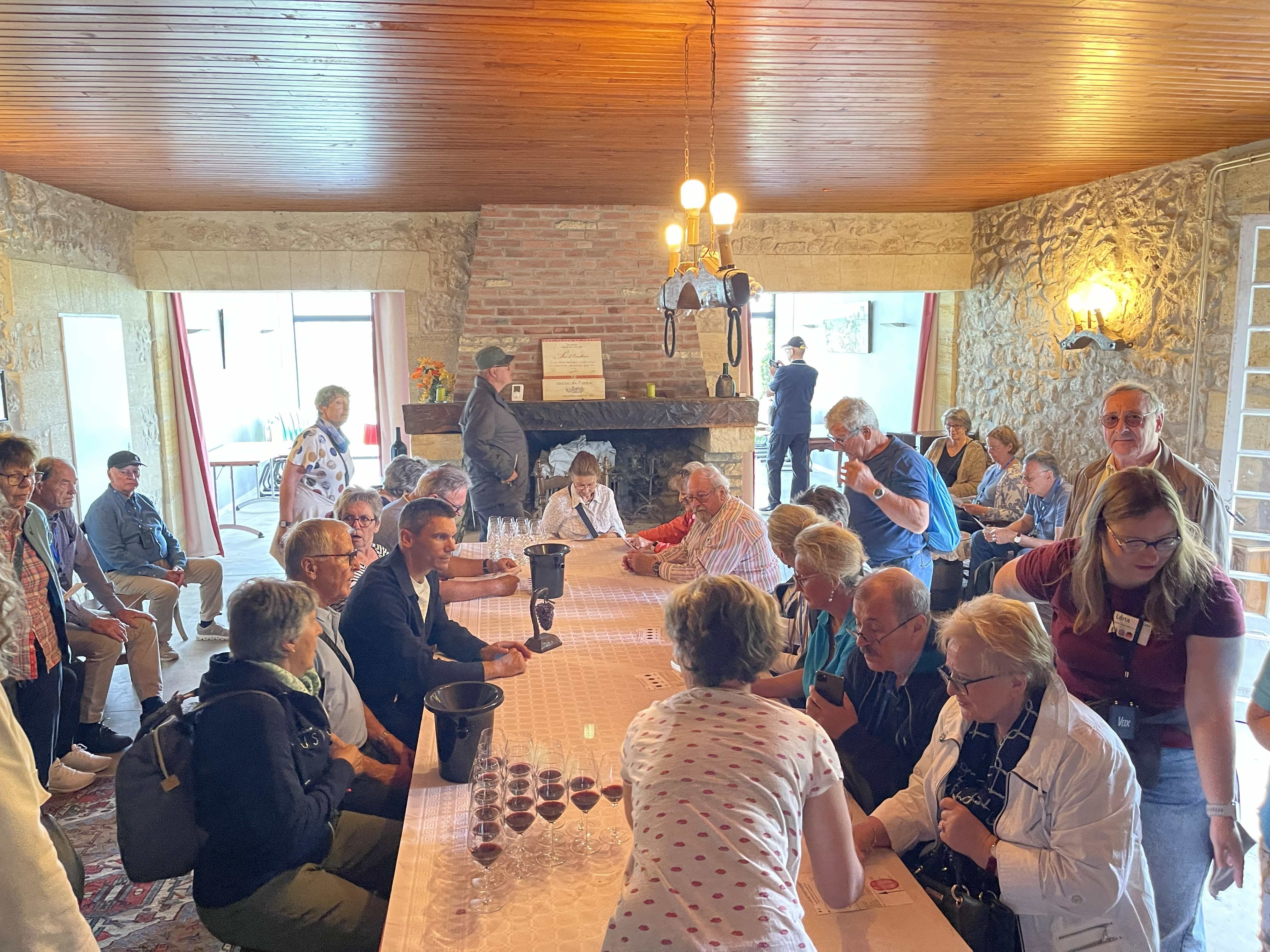
The subsequent tasting took place in a cozy, large room and offered the perfect opportunity to get to know the characterful wines of Saint-Émilion.
At around 4 p.m. we returned to Bordeaux, the starting point of our journey.
Bordeaux
Since the afternoon was still young, I spontaneously decided to explore the city on an electric bike. For me, there is hardly a better way to get to know a city. You can travel flexibly, move forward quickly and still be able to stop at any time if something interesting catches your eye.
Admittedly, the traffic in Bordeaux occasionally requires your full attention. Nevertheless, the tour was great fun. My path first took me to Basilique Saint-Michel, whose striking bell tower stands separately from the actual church building - an architectural peculiarity that you don't get to see every day.
I then drove through the winding streets of the old town, past historic facades, small squares and numerous cafés, before finally returning to the Cyrano de Bergerac.
Our ship remained moored on the Bordeaux waterfront overnight. This gave us another opportunity to enjoy the special atmosphere of this elegant city.
There was also a lot going on on board in the evening. There was a happy and international atmosphere in the large lounge every evening. It was the mix of guests from different nations that made this trip so attractive and made for many interesting encounters.
However, the on-board entertainer Mélodie played a significant role in the good atmosphere. With her open nature, her energy and her enthusiasm, she was a master at captivating the guests. Whether it was dancing, entertainment or spontaneous performances – she always managed to bring people together and put them in a good mood.
You could literally feel that she puts her heart and soul into her job. And if the dance floor was full at the end of the evening, it had nothing to do with her infectious joy of life.
So another eventful day of medieval history, great wines and the French way of life came to an end.
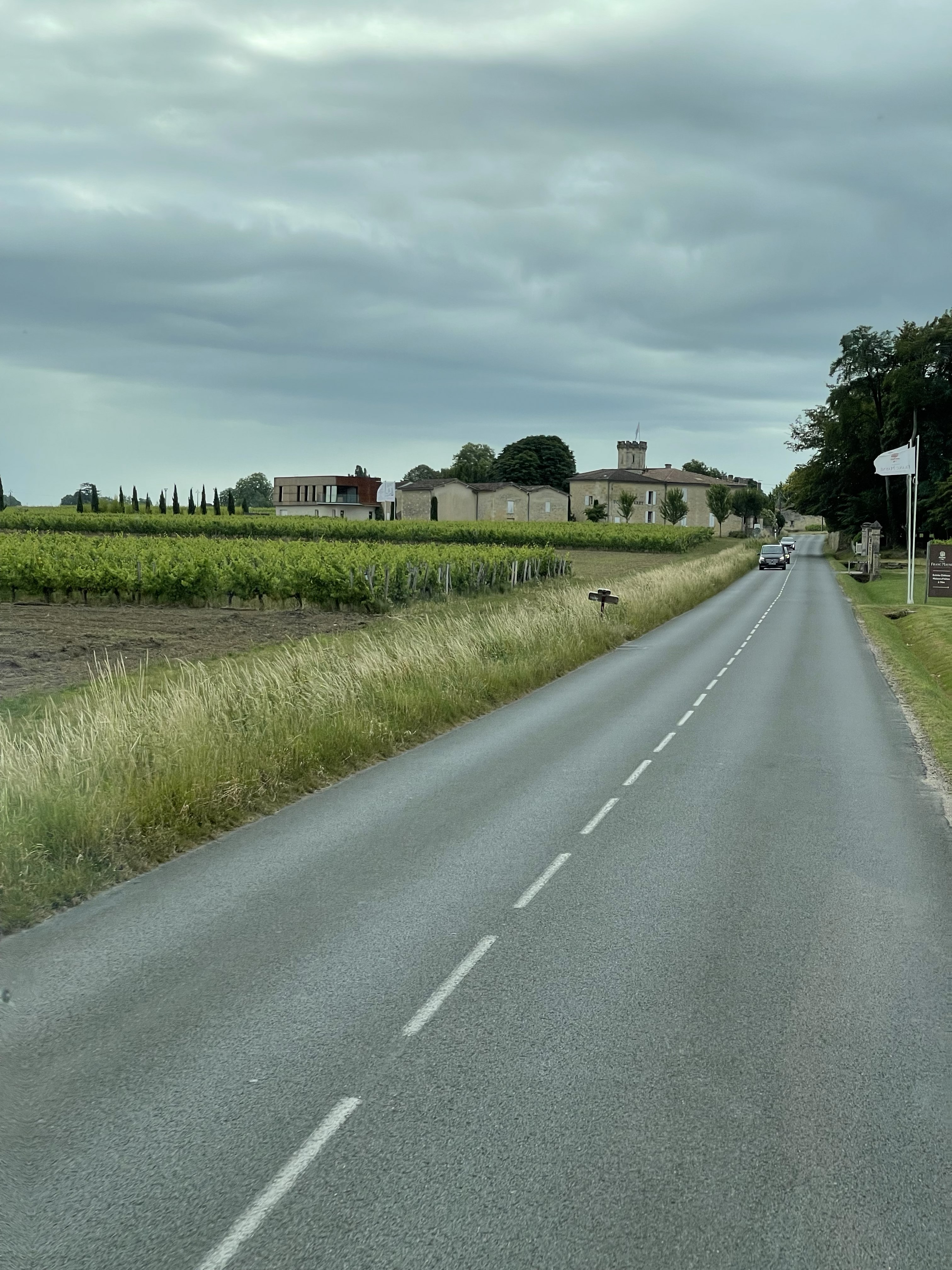
The bus trip to the St. Emillion wine region
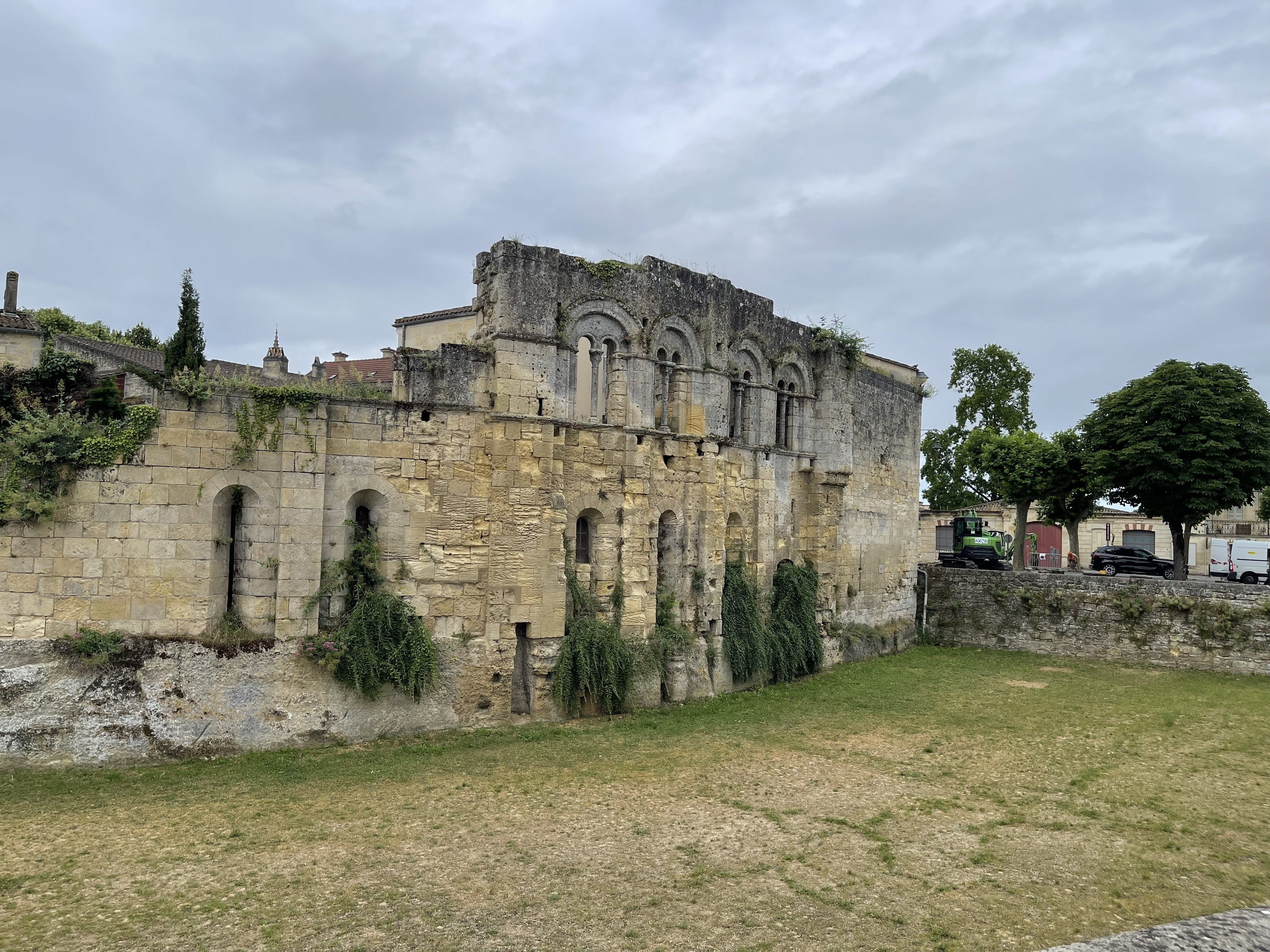
Medieval ruins in St. Emillion
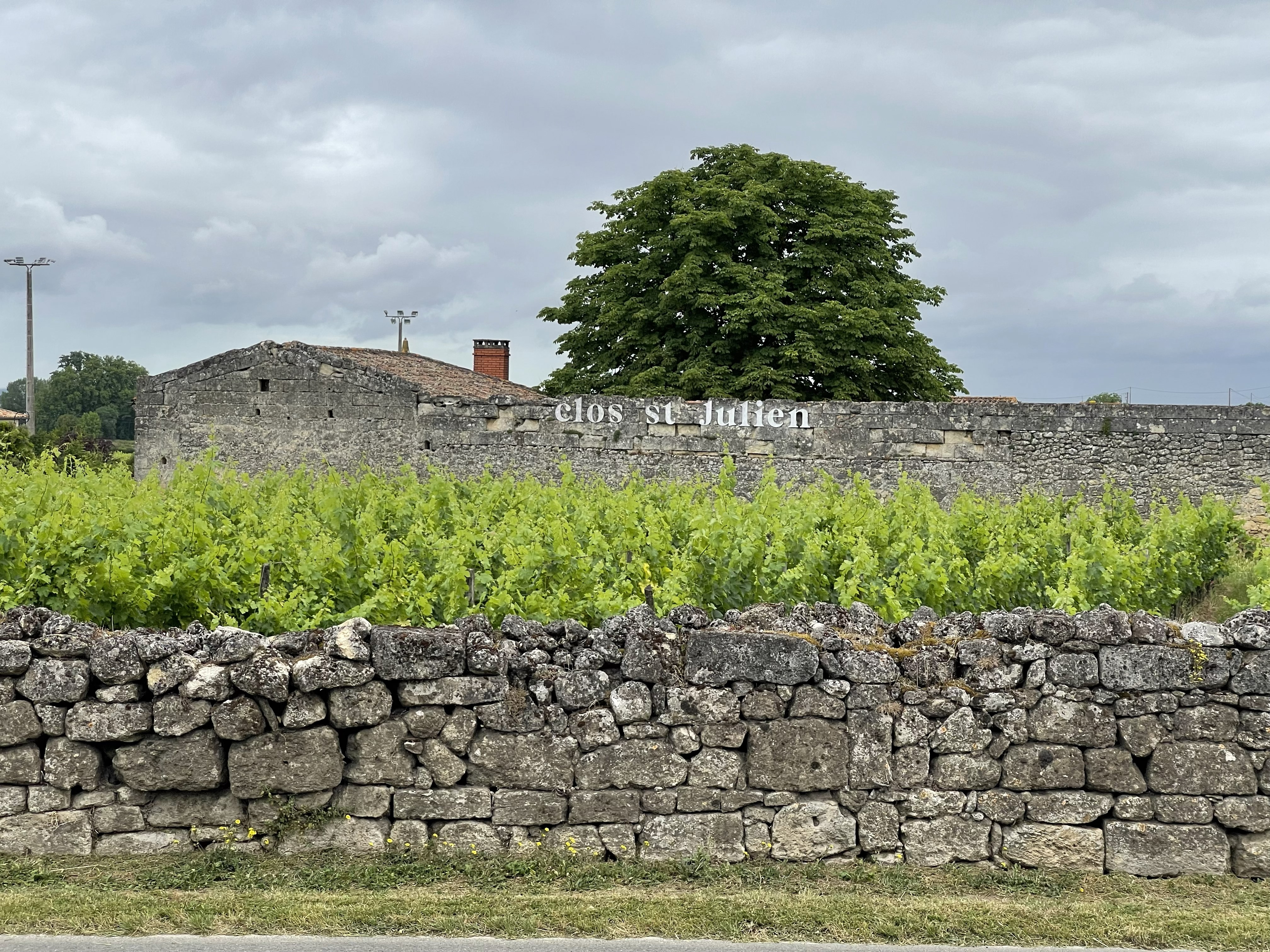
Clos Saint Julien, one of the many wineries
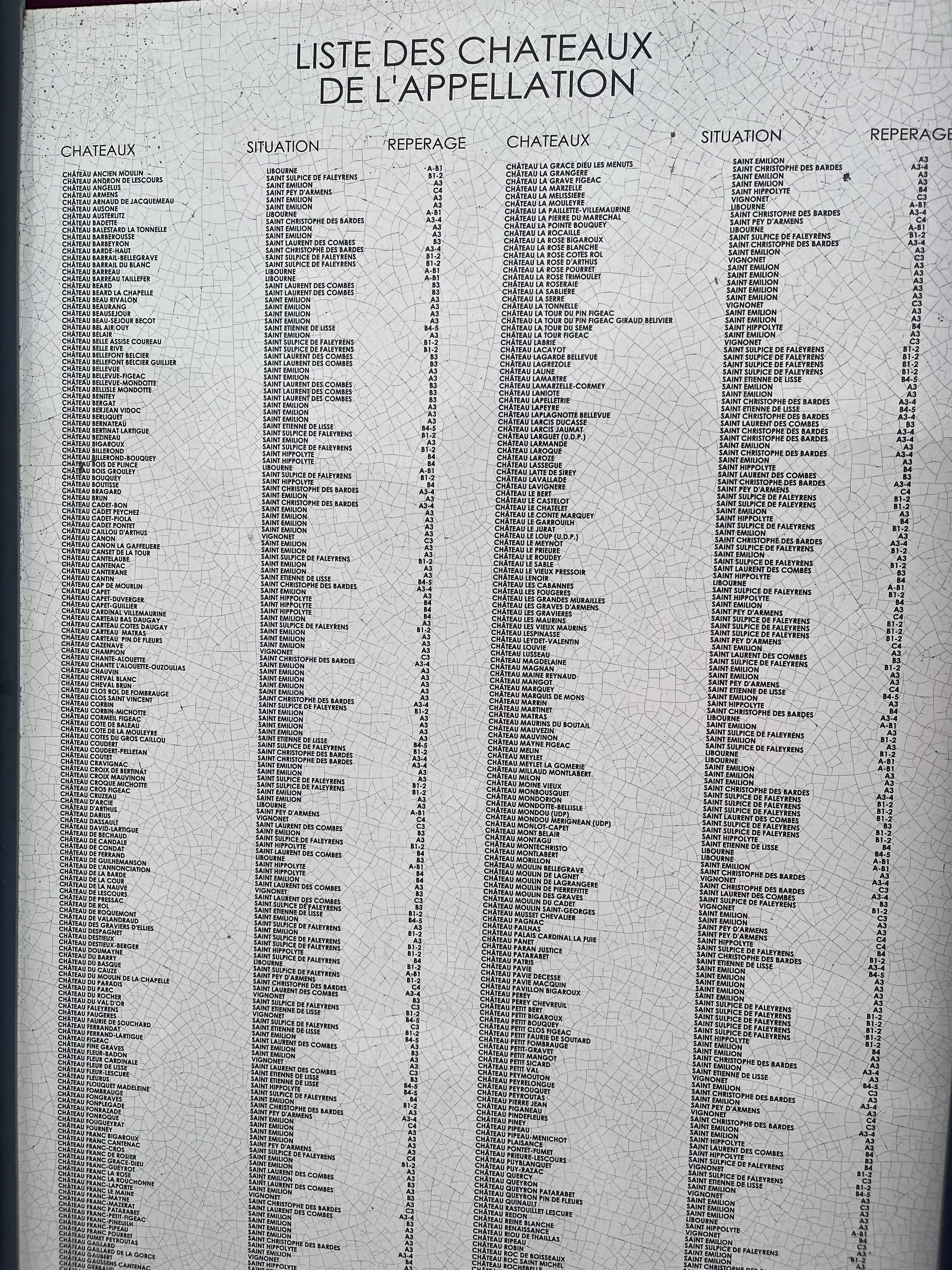
with over 800 winemakers on 5,400 hectares of land
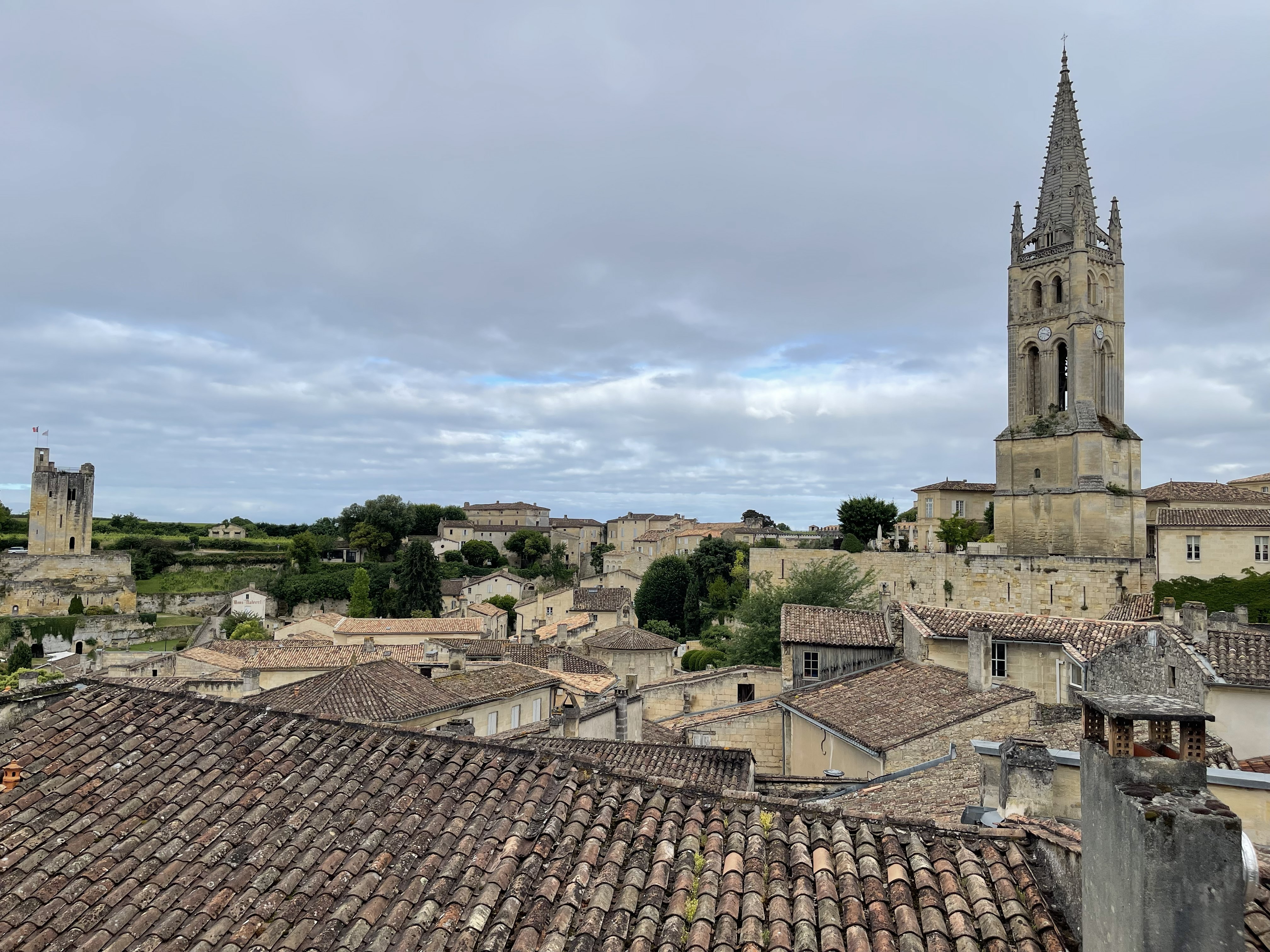
The historic town of St. Emillion
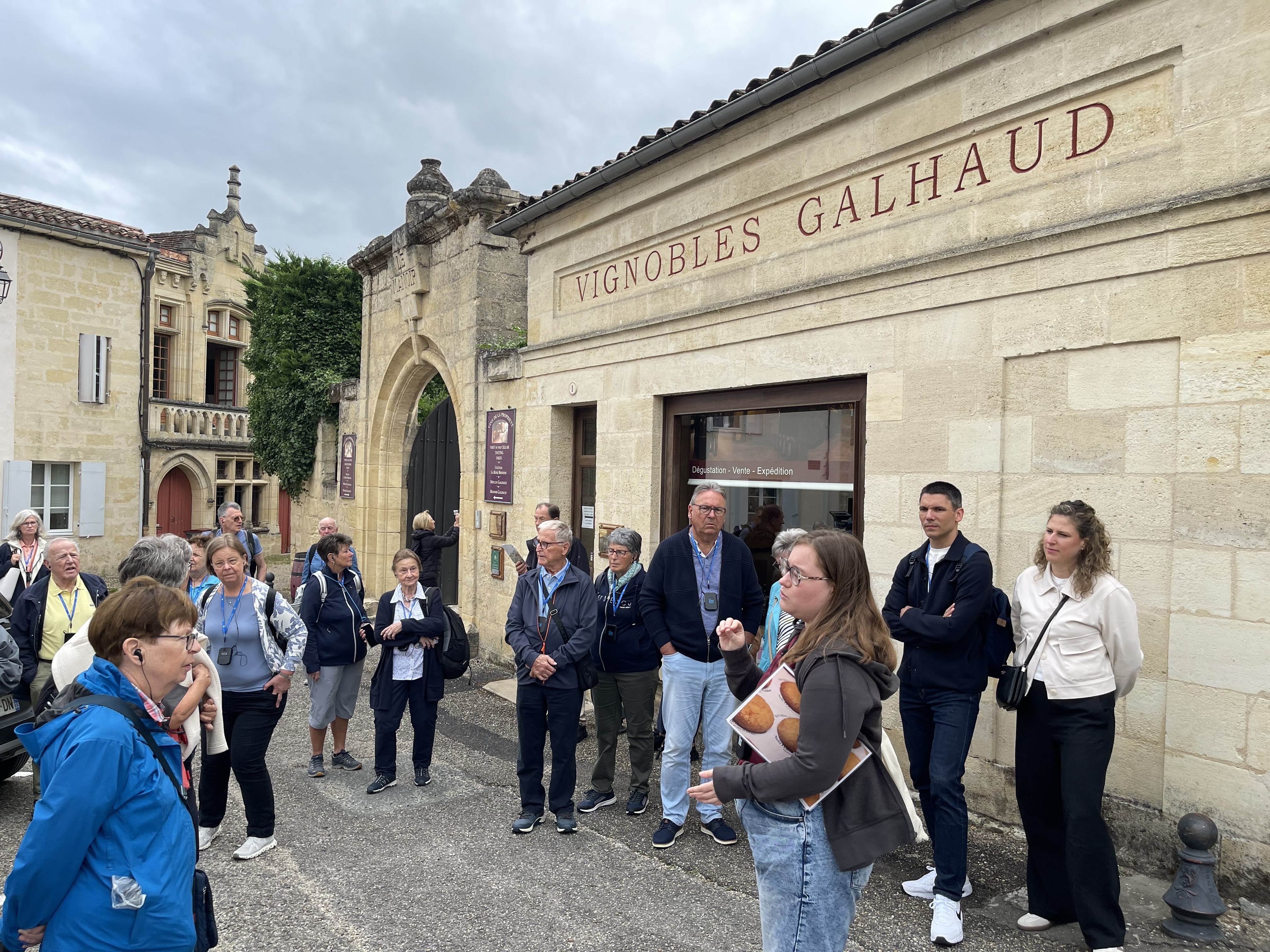
explained by our local tour guide
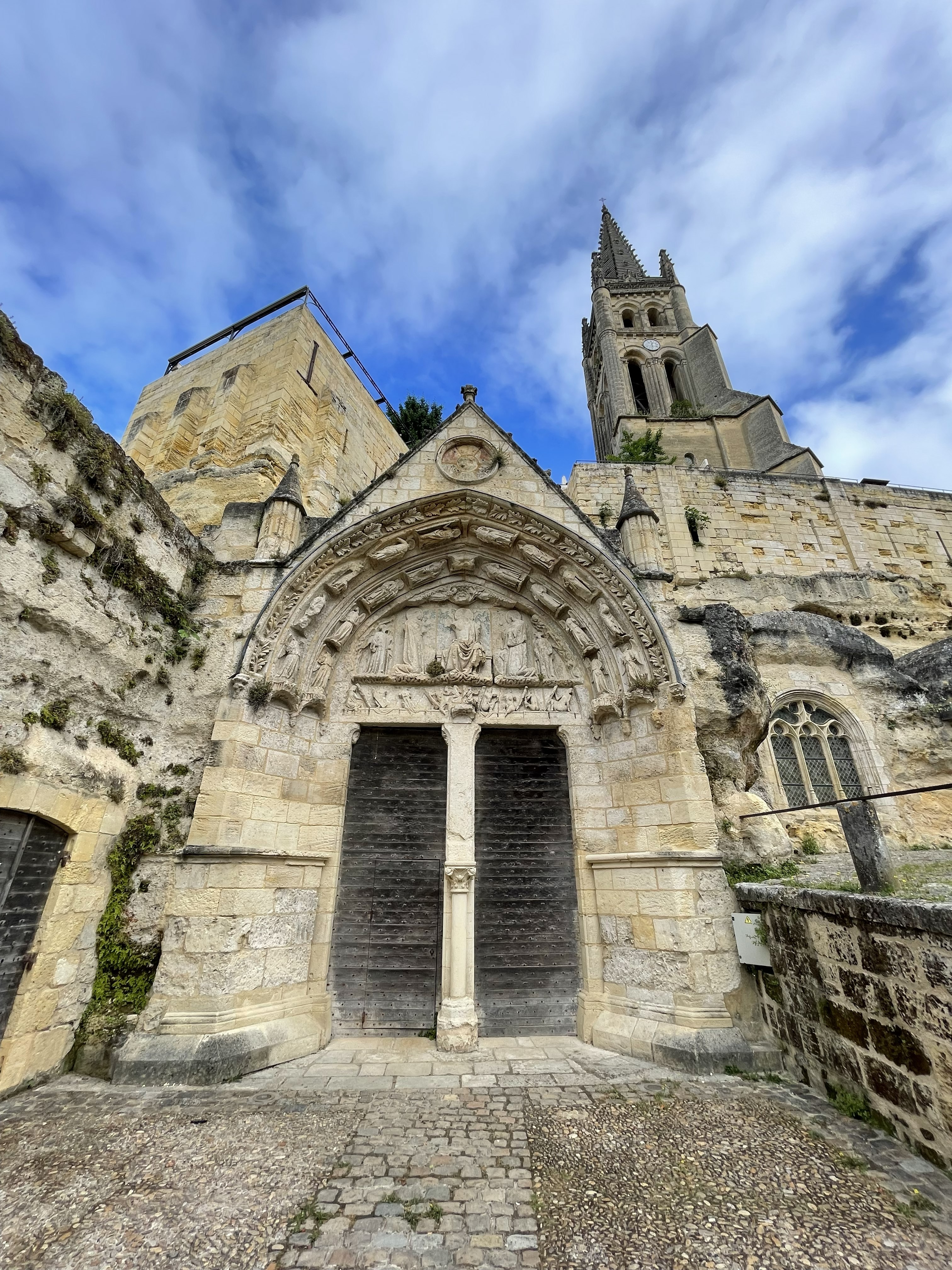
down to the most famous church
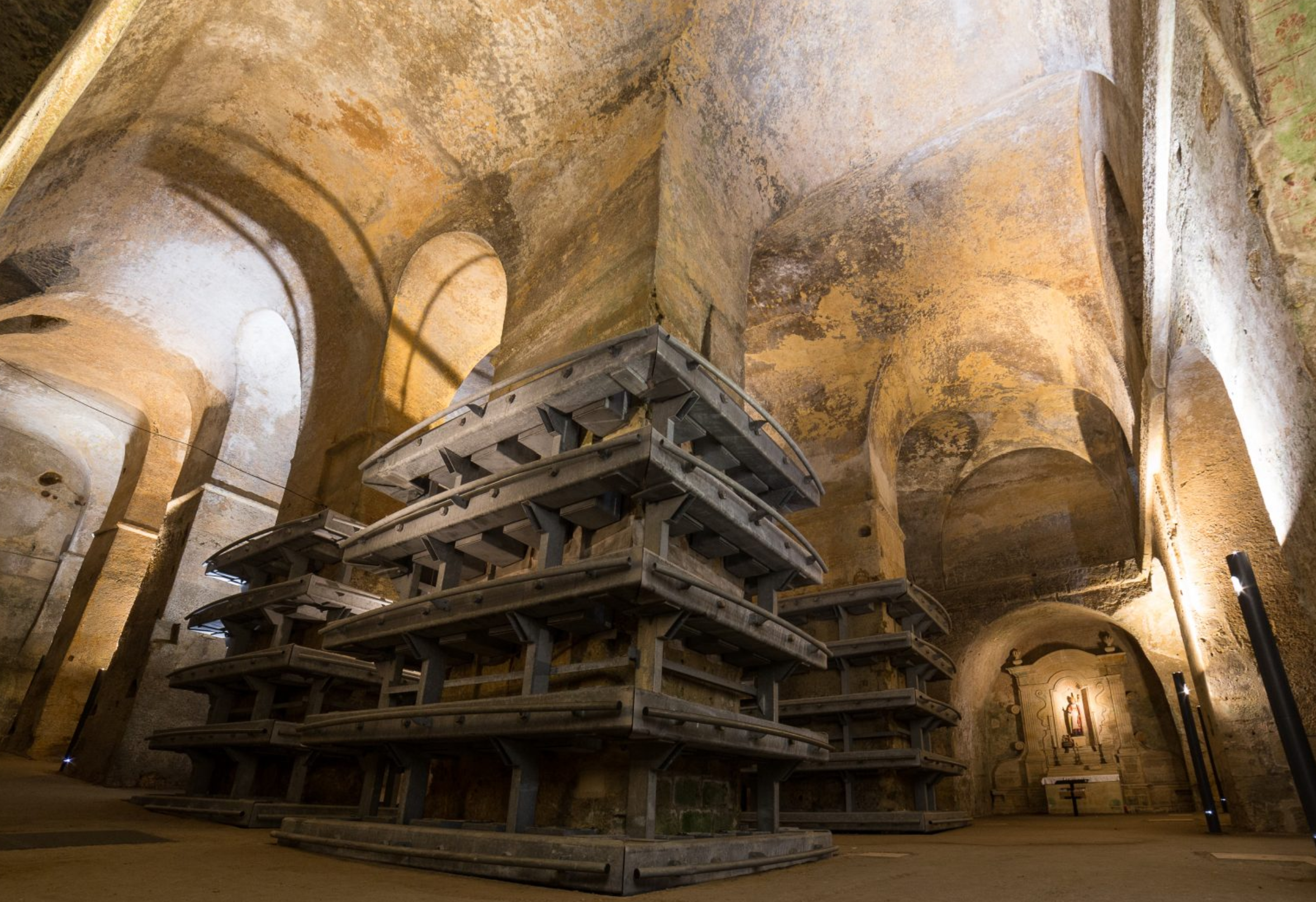
Inside the Monolithic Church
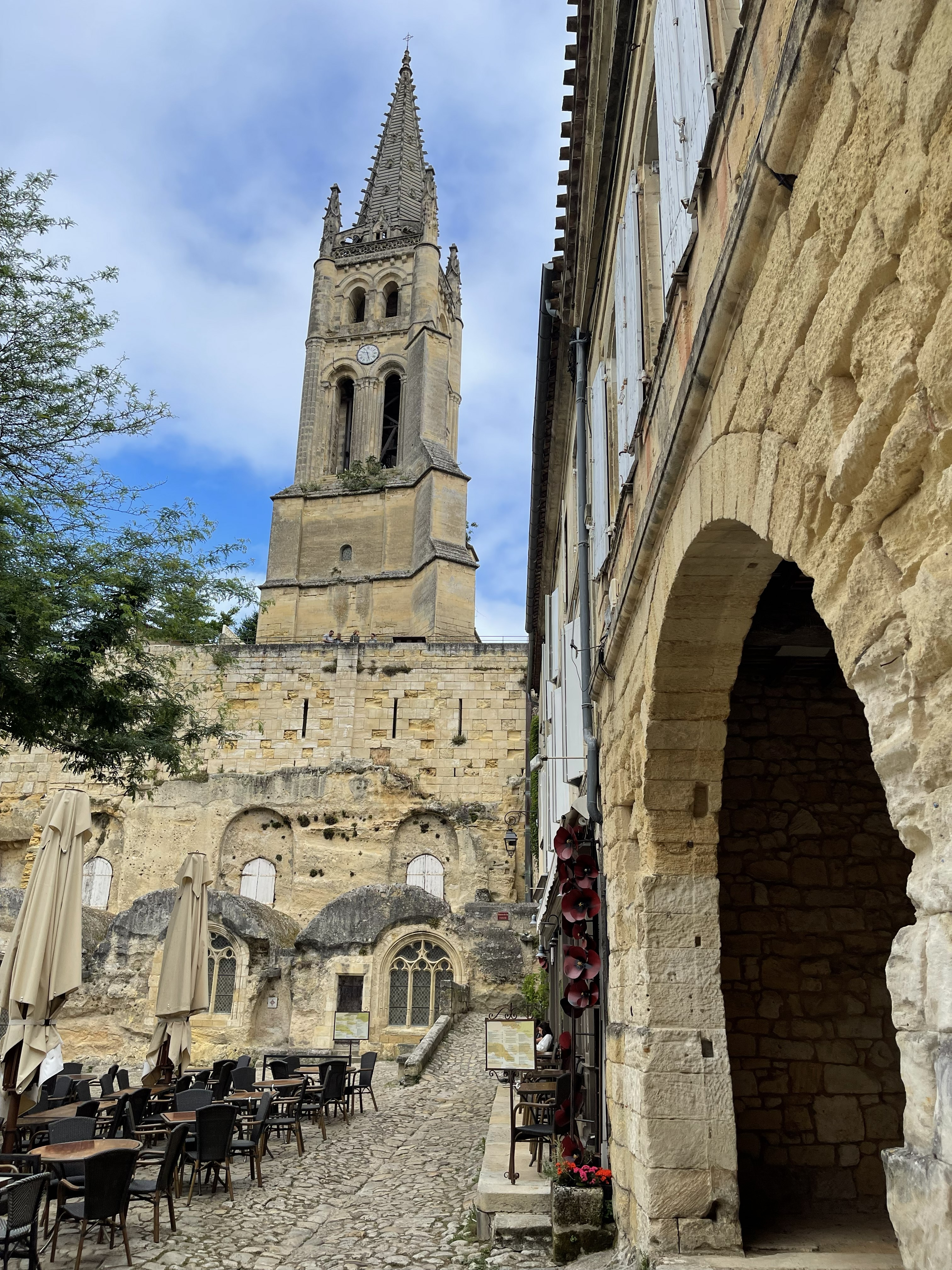
The church tower built on it
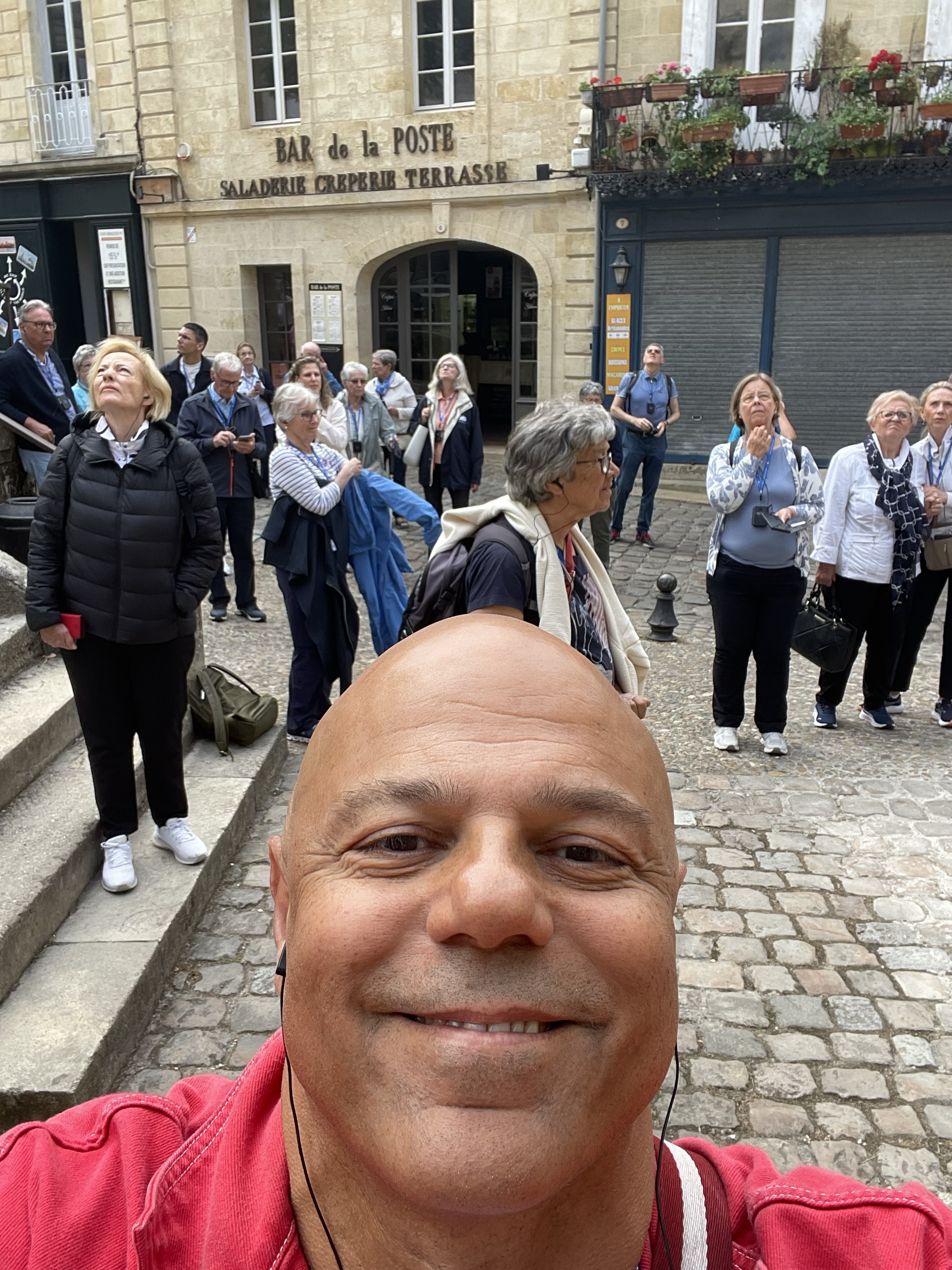
Paparazzi
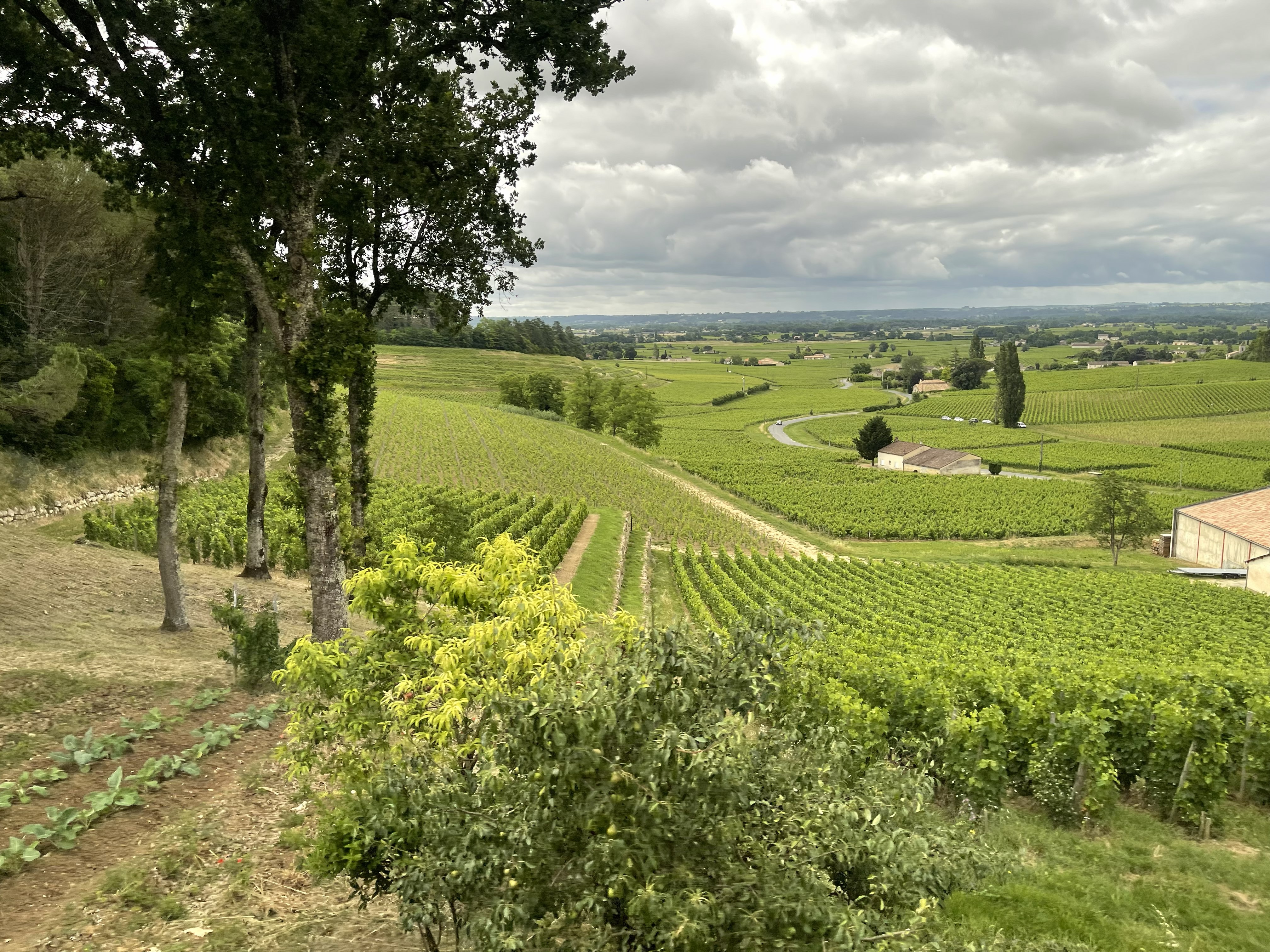
Vineyards as far as the eye can see
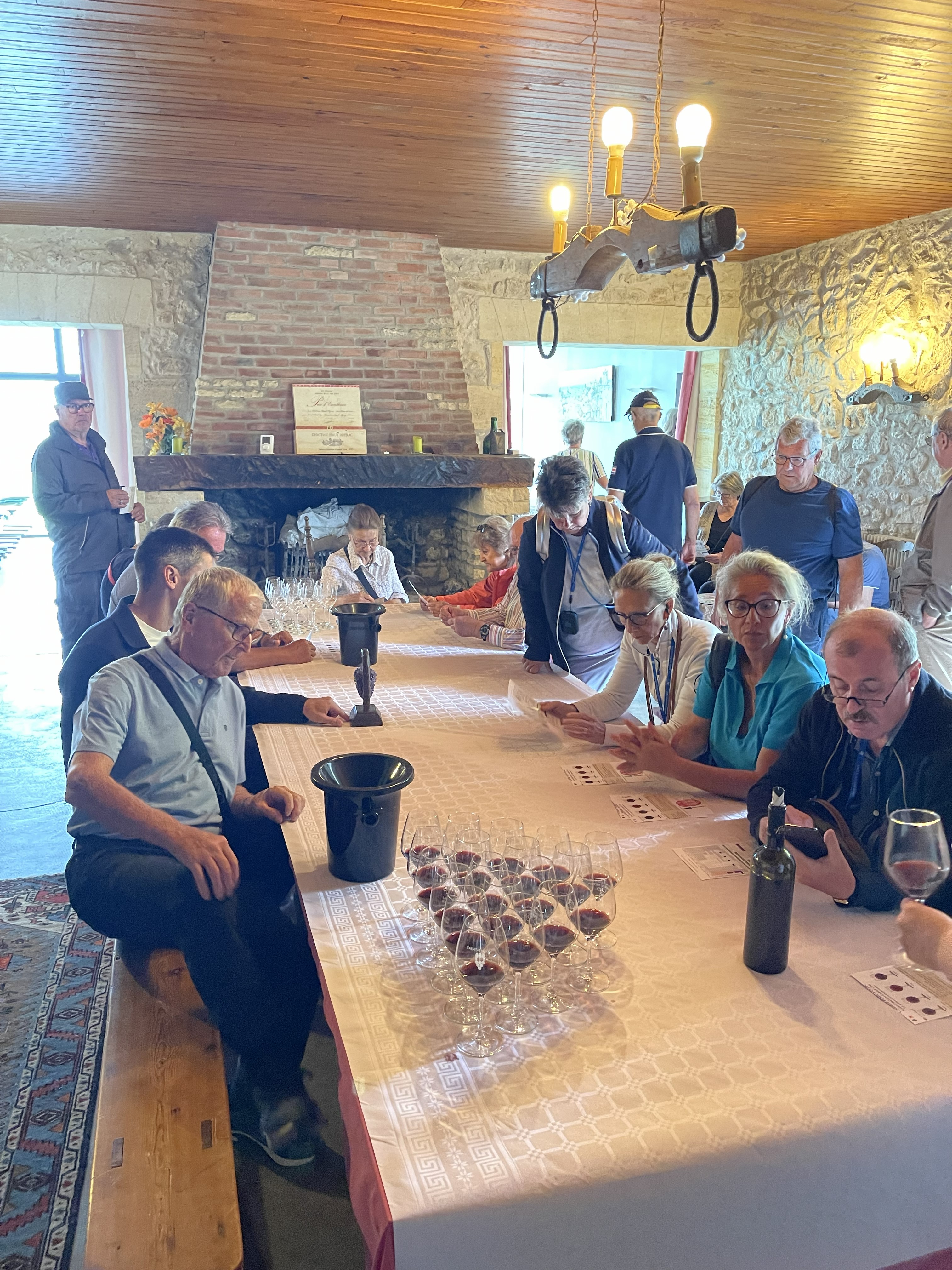
... our now trained wine connoisseurs
and wine connoisseurs
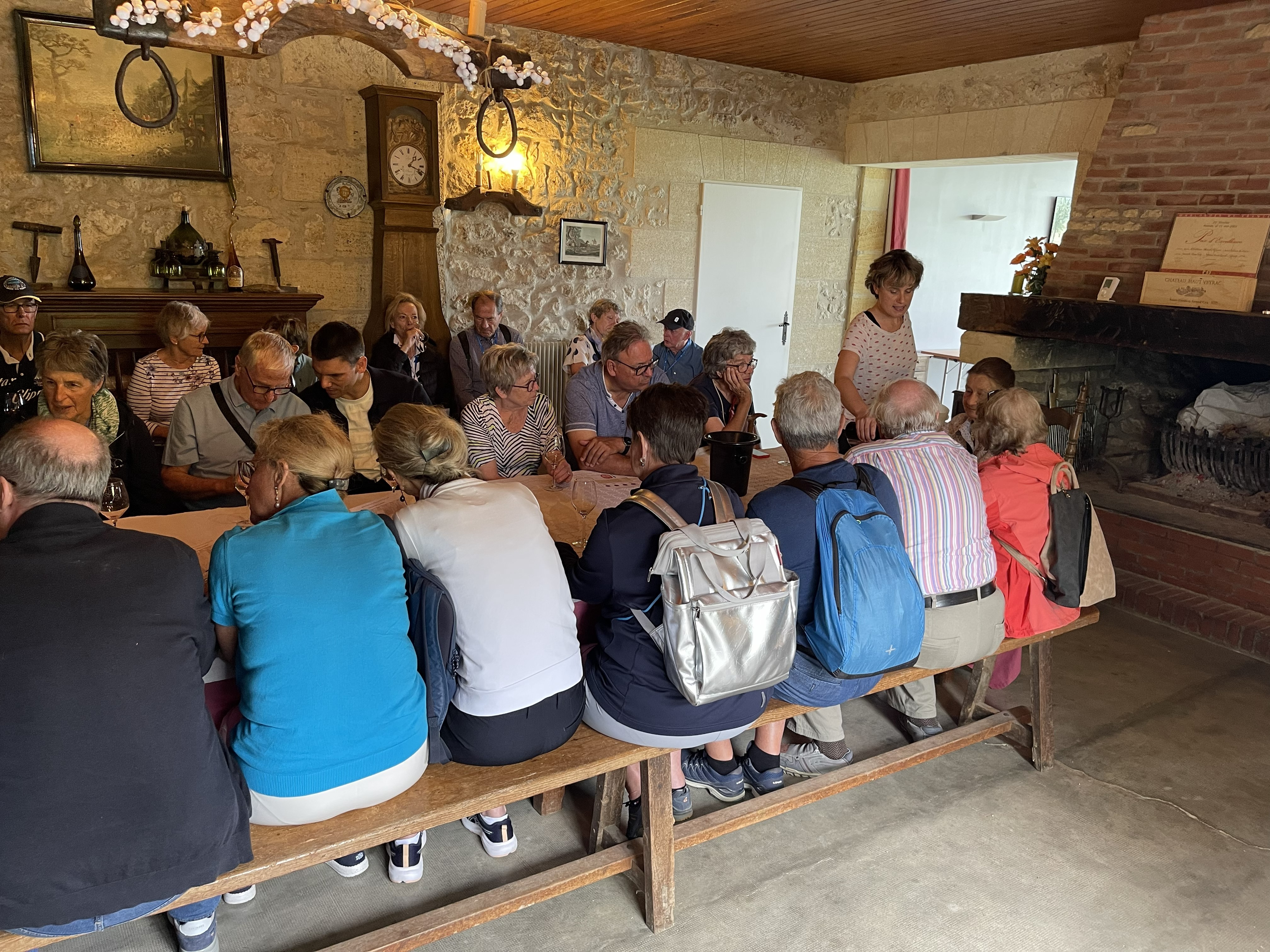
with a great Sommerlière who explained everything very well
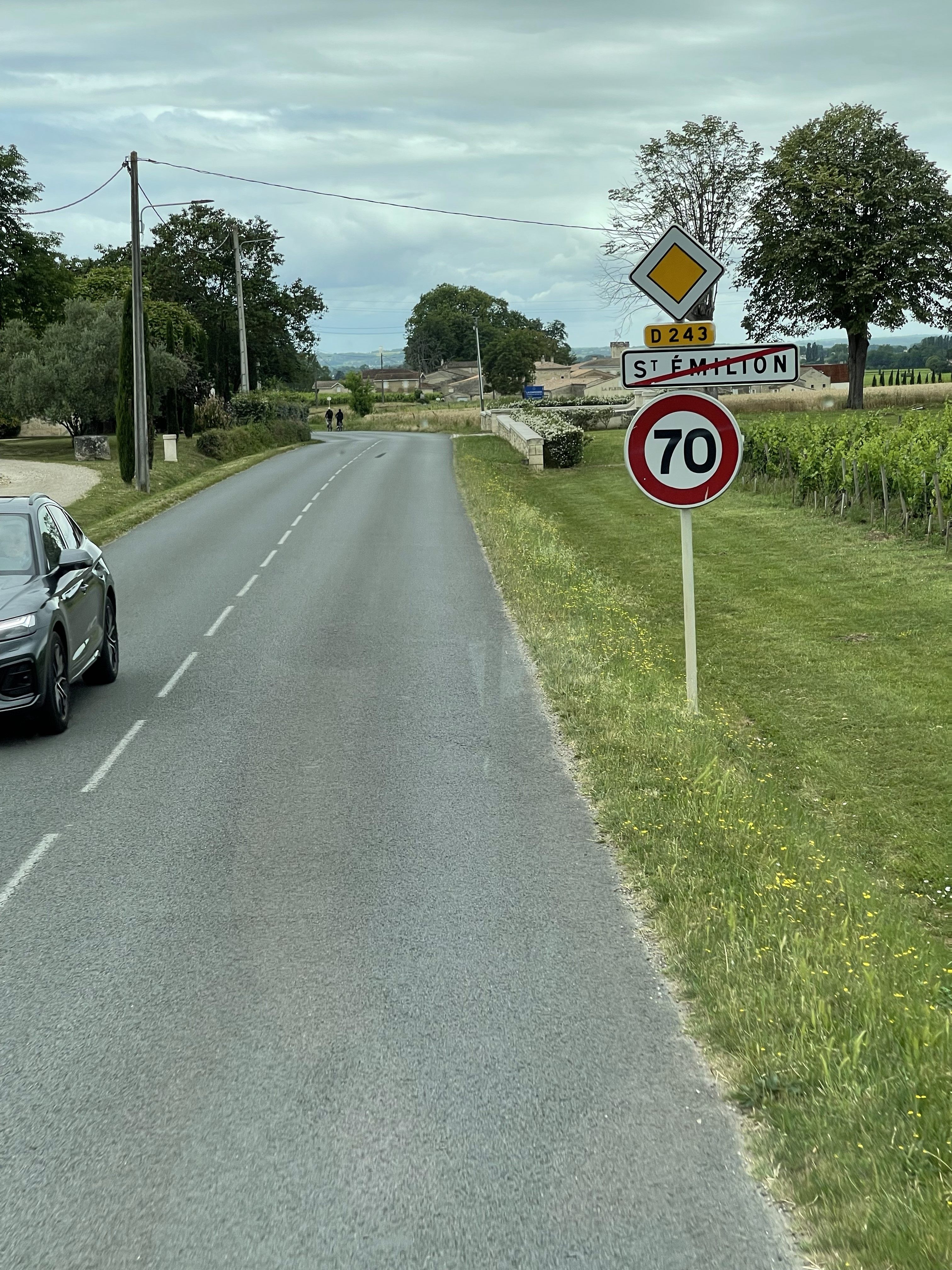
.... and it was time to say goodbye
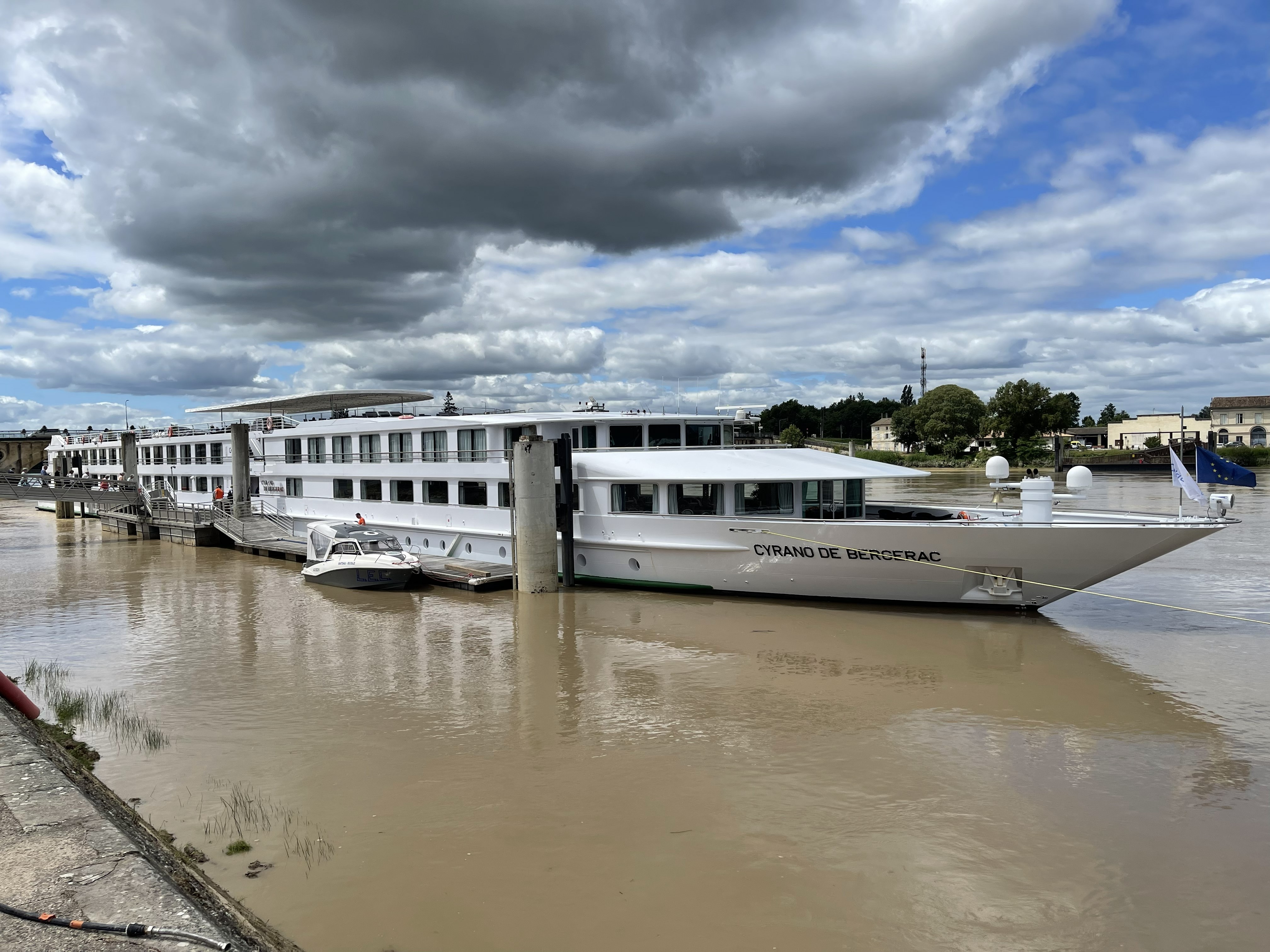
Back on the ship
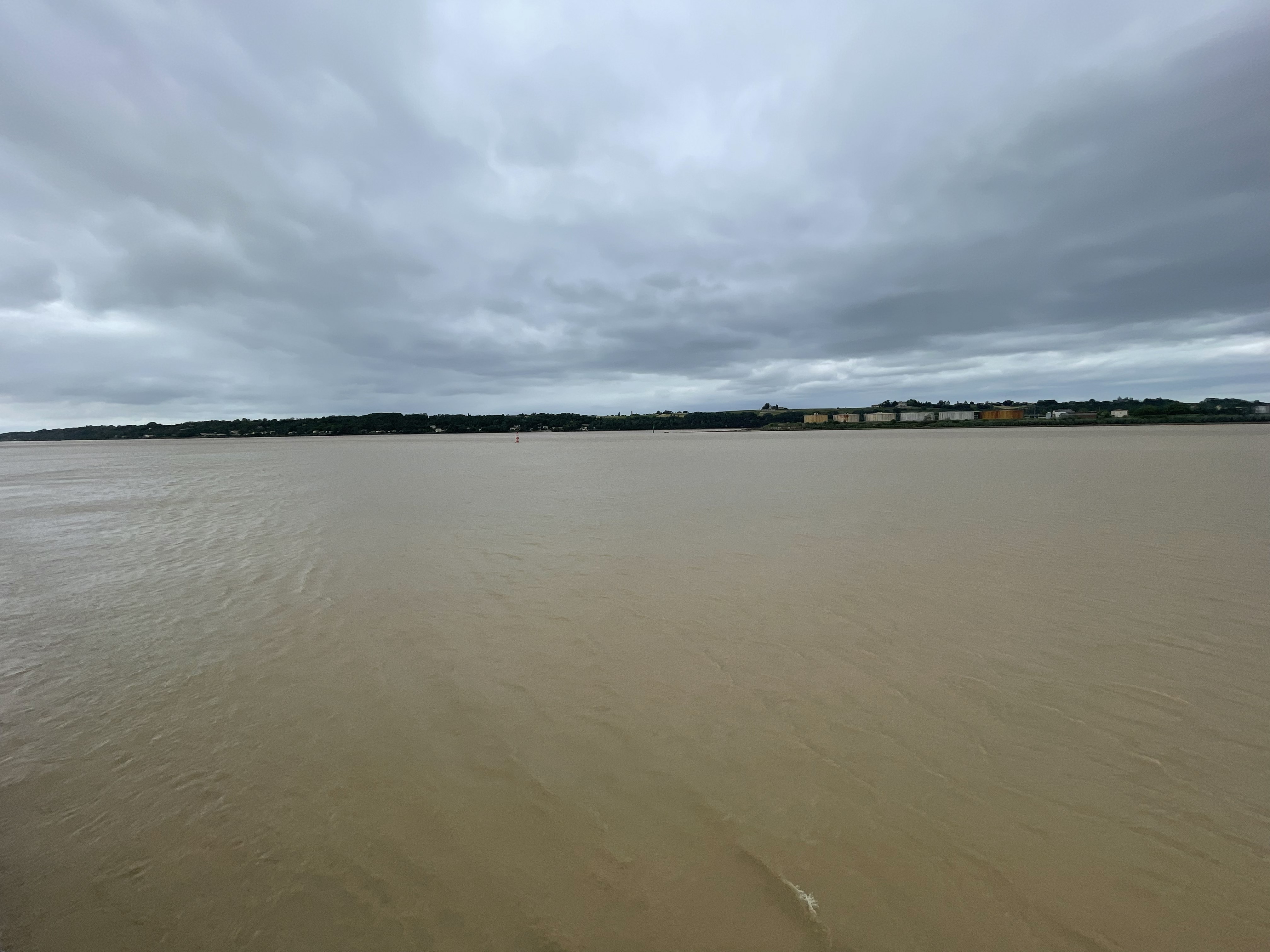
the journey went via Dordgone
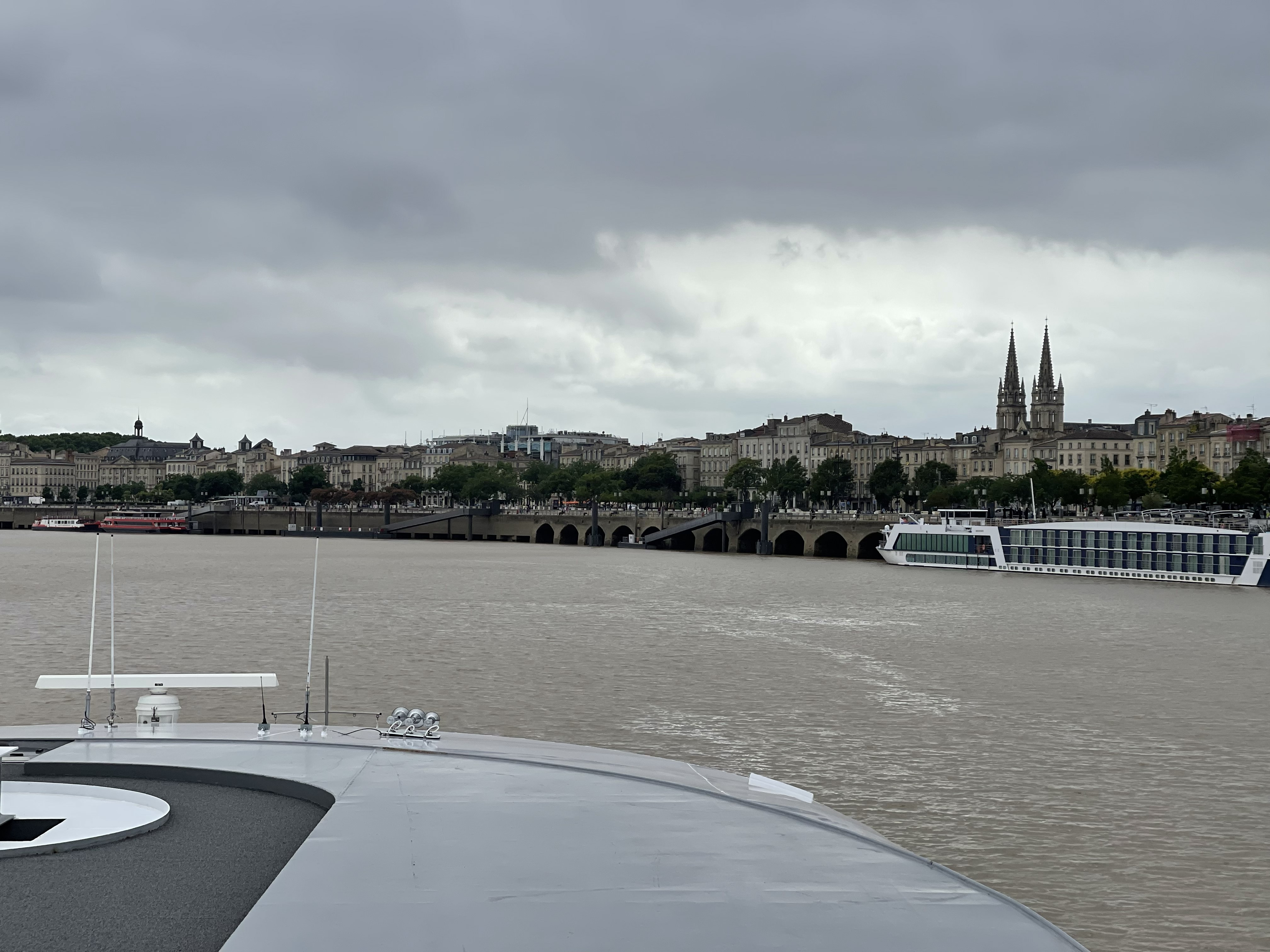
back to Bordeaux
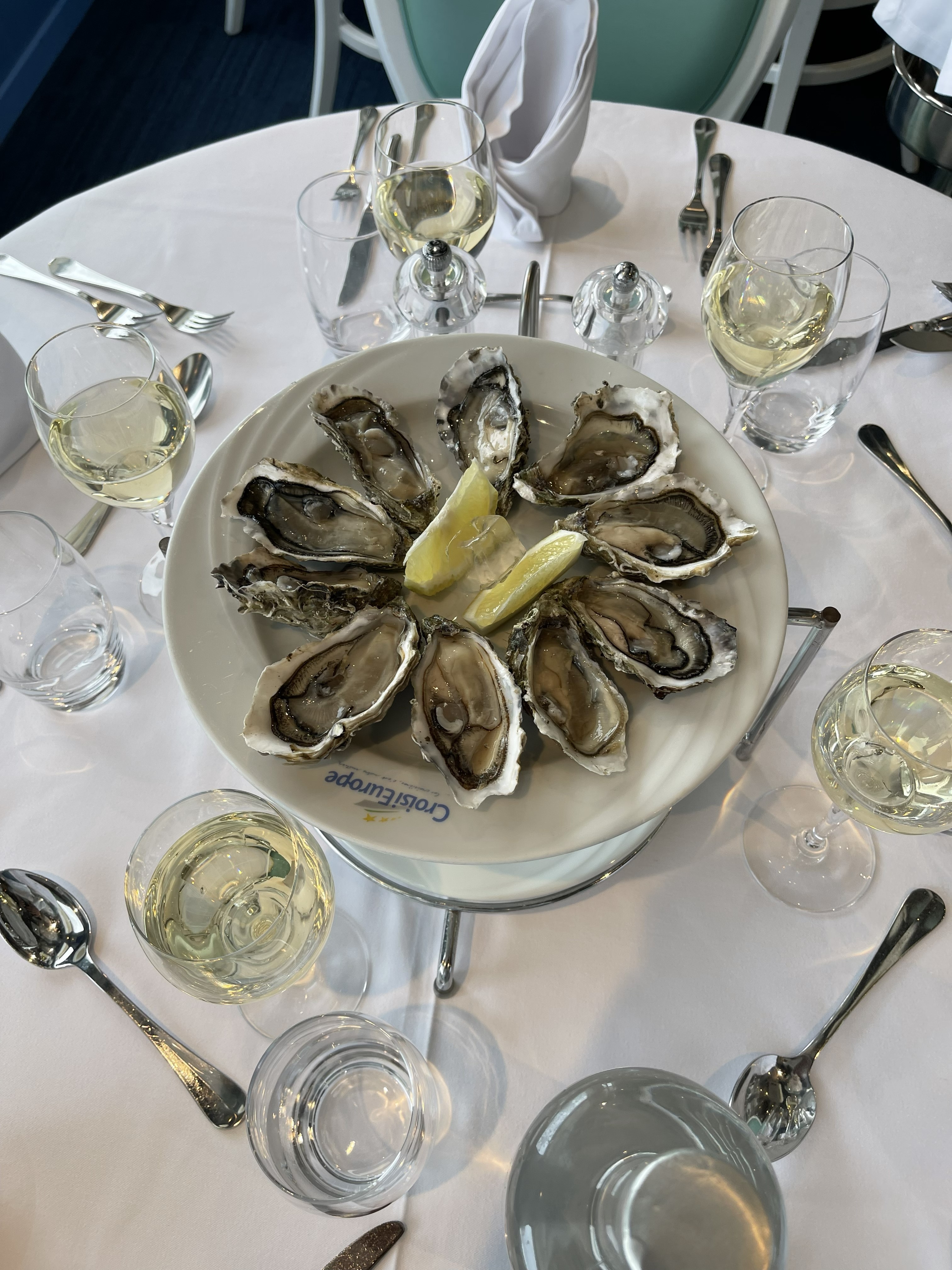
and to set the mood for tomorrow there were oysters
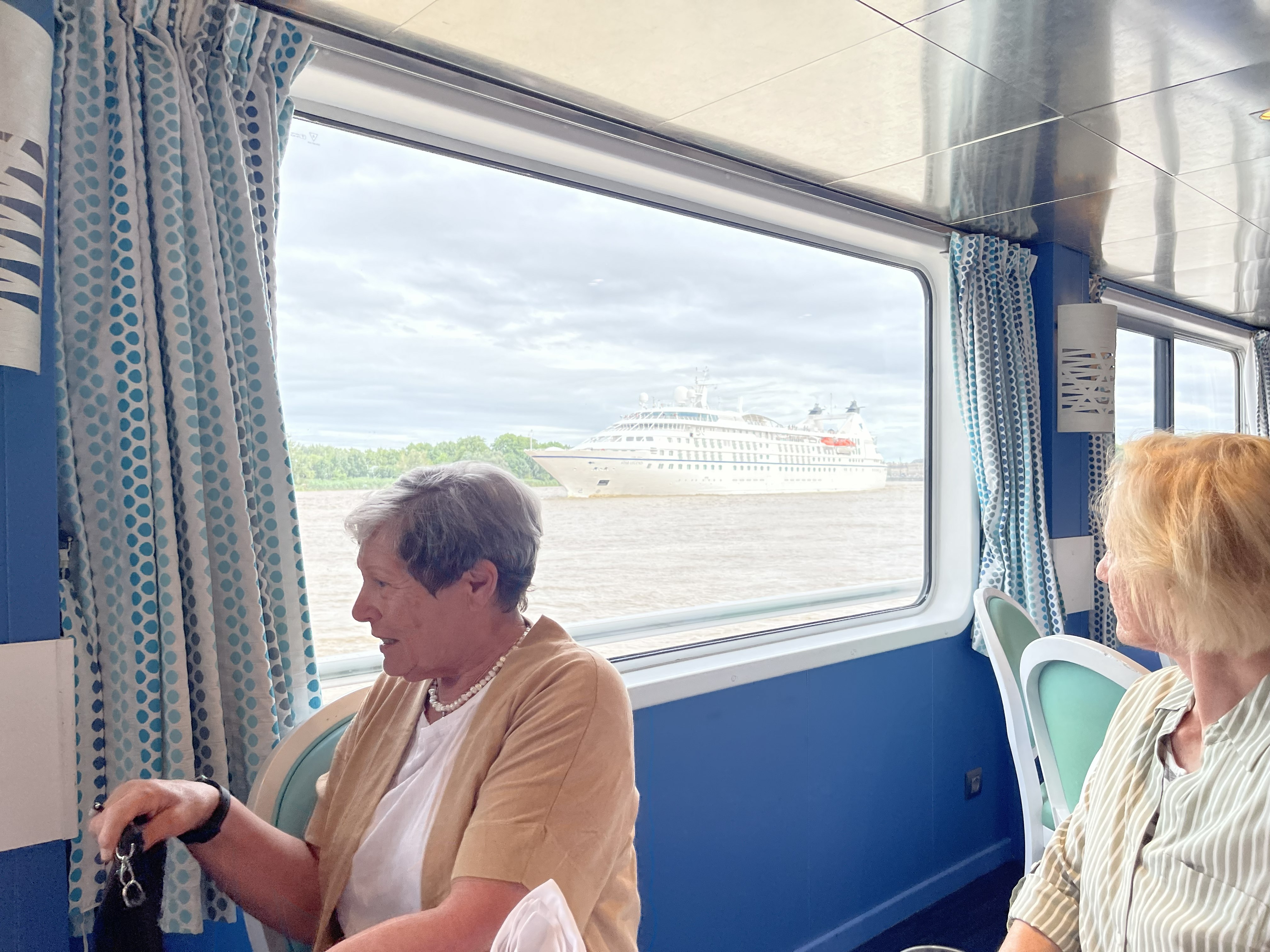
Larger ships can also dock as far as Bordeau.
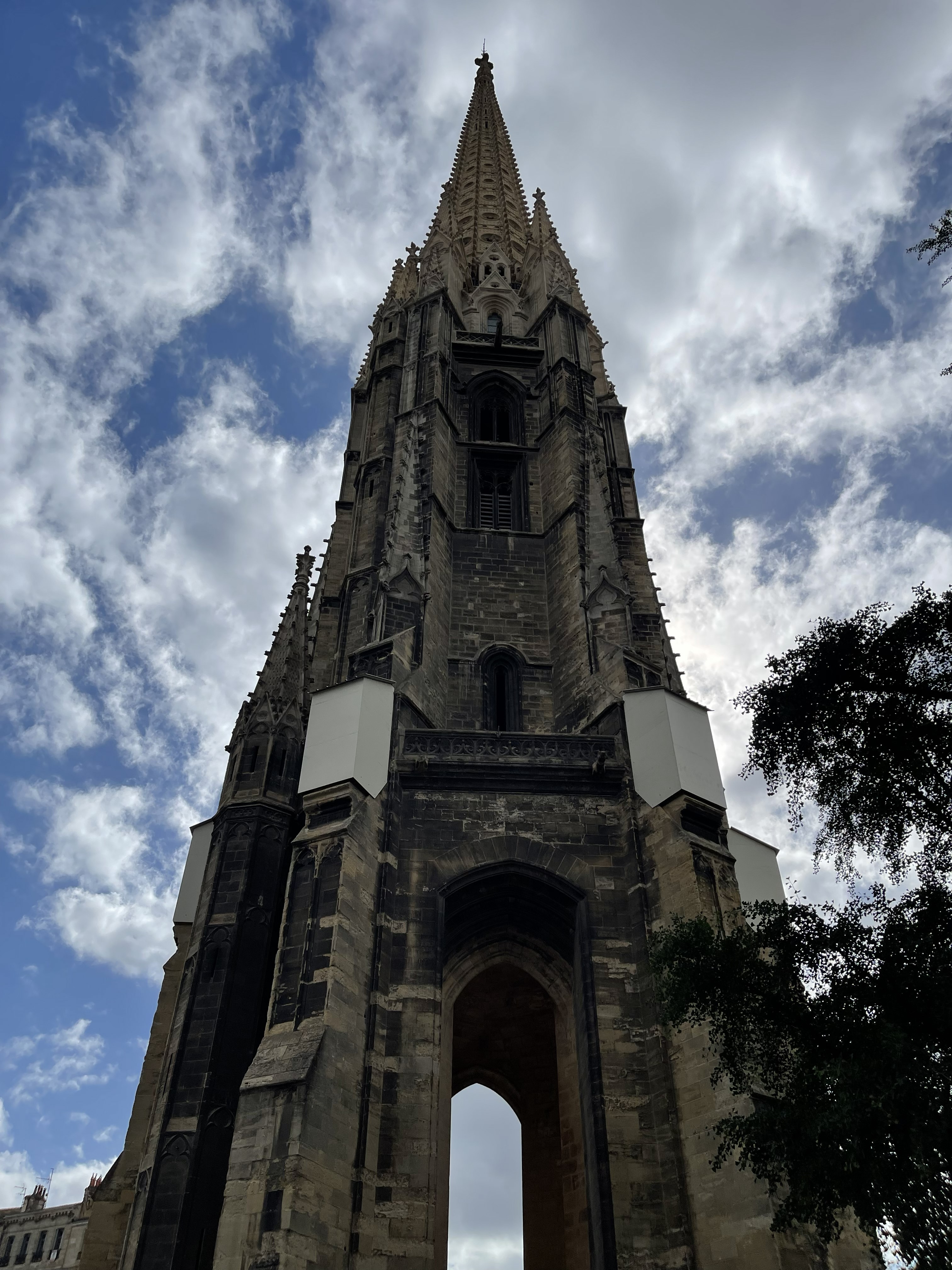
Basilique Saint Michel
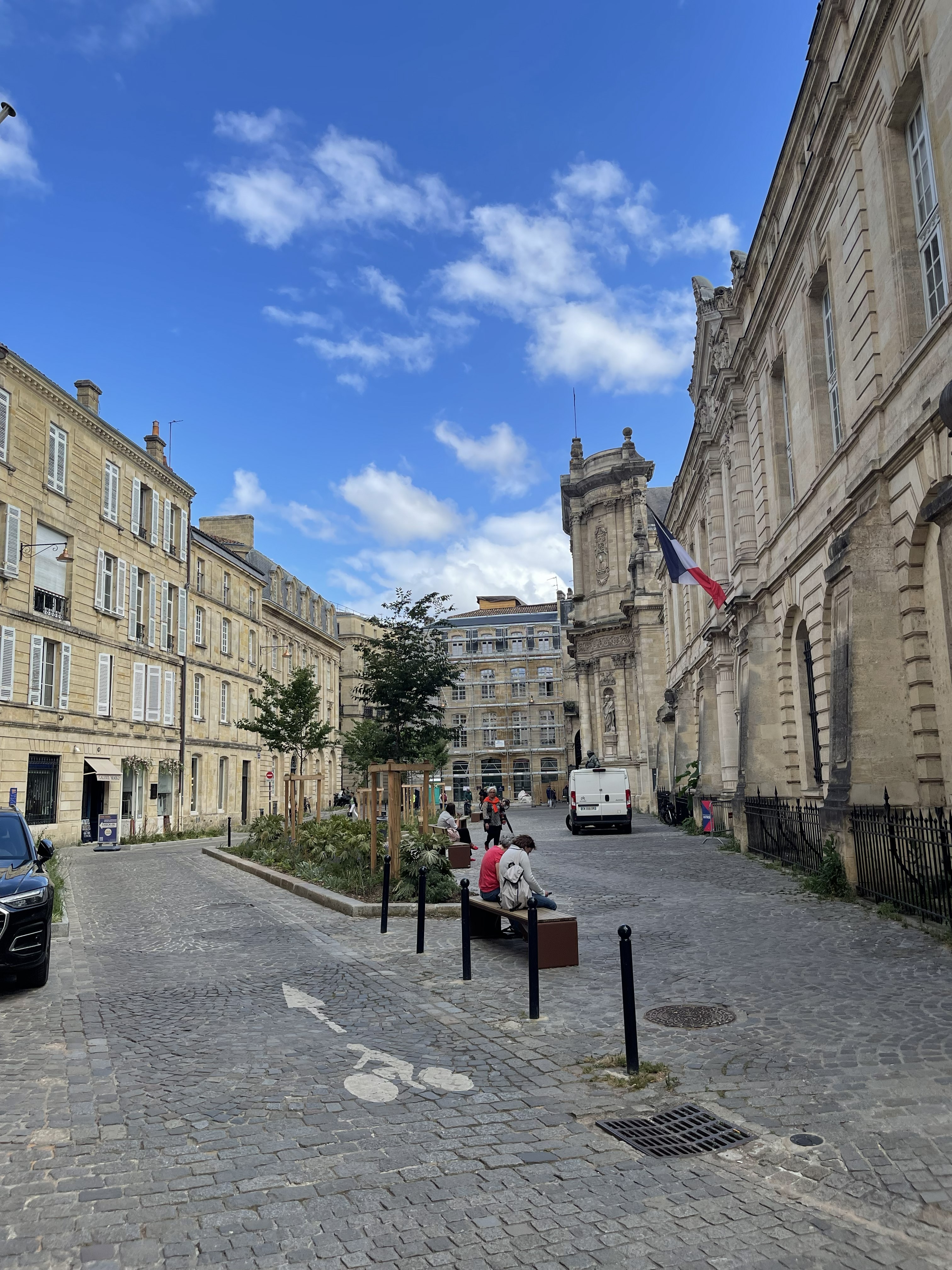
Bordeaux old town
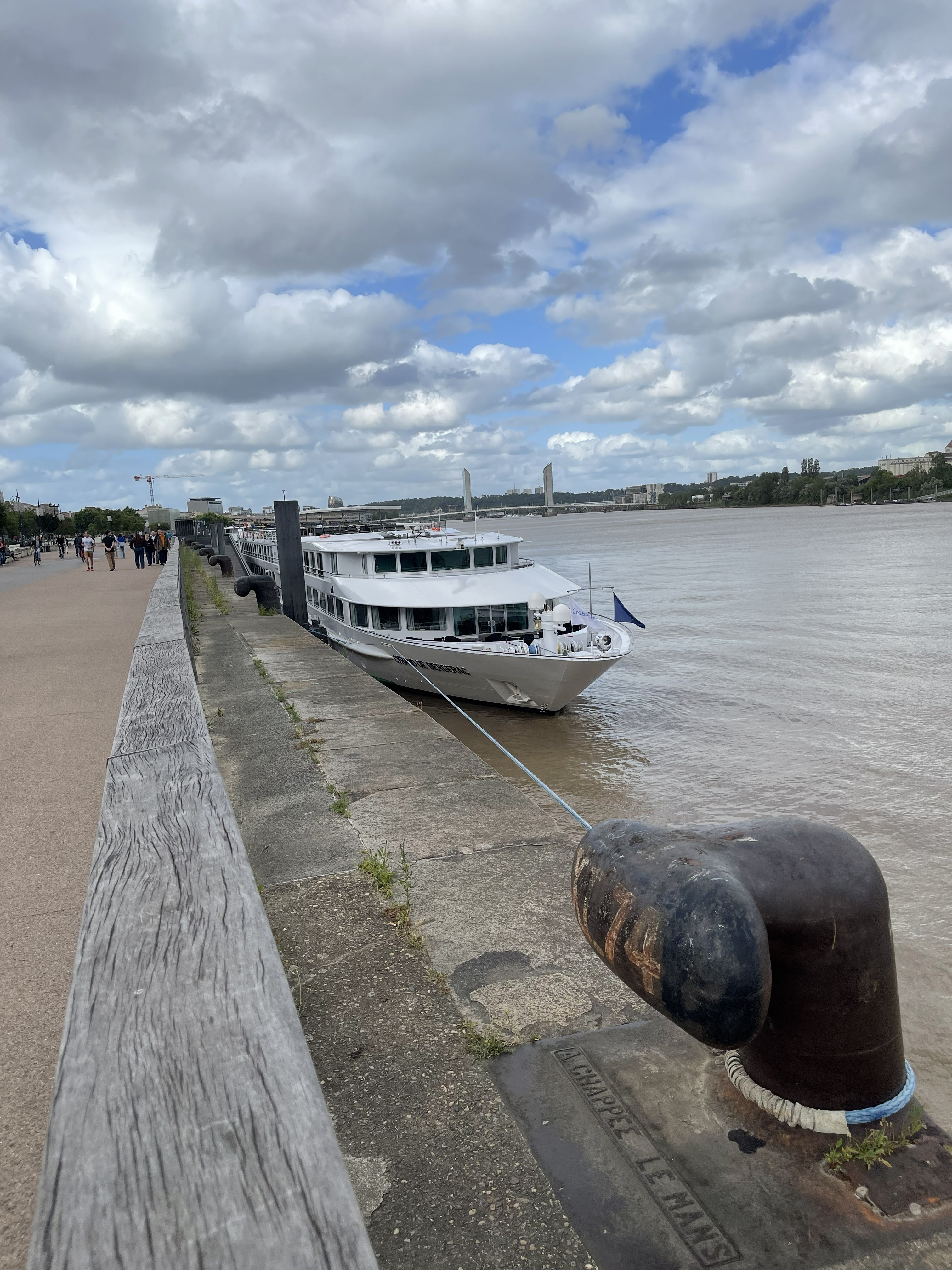
Best location in Bordeaux
Day 5 - River cruise to Cadillac, castle tour and wine tasting
Today's agenda was a trip to Cadillac, around 40 kilometers upstream on the Garonne. The Cyrano de Bergerac set off early in the morning and reached the small town around 9 a.m. ##Cadillac
The day initially showed its typical Atlantic side: rather cloudy, changeable and perfect for finally using a rain jacket and umbrellas. In this region the weather can change completely within a few hours - rain in the morning, then clouds, later sunshine. Everything is possible.
Château de Roquetaillade – a castle with 700 years of history
In the morning the excursion took us to an extraordinary property: the Château de Roquetaillade. The castle has been owned by the same family for around 700 years, who, according to tradition, are even related to Pope Clement V (1305–1314) through various connections. He had several castles built in the region – the so-called “Clementine Castles”.
Even from the outside, Roquetaillade looks like a classic medieval fortress: massive, well-fortified and impressive at the same time. Inside, the restored castle chapel awaited us, which is still used today for baptisms and weddings. The colorful ceiling paintings were particularly impressive, taking you back several centuries.
We then visited the castle itself, which has been rebuilt and modernized several times over the years. Once a purely defensive castle, over the centuries embrasures became windows, horse stables became elegant entrance halls and the entire interior design was repeatedly adapted to the spirit of the times.
The famous architect Eugène Viollet-le-Duc also had a significant influence on today's appearance. Parts of the castle also served as a film set for several French productions, including “Le Pacte des Loups”.
A special highlight for many guests was the monumental castle kitchen - impressive even by today's standards. Just the idea of having to clean all the heavy copper vessels by hand quickly brought you back to the present.
Sauternes – the world of noble sweet wines
We then drove to the Château Simon winery, where, among other things, the well-known Sauternes wines are produced.
We listened to an exciting introduction to the production of this special specialty. The main grape variety is Sémillon (70–90%), supplemented by Sauvignon Blanc and Muscadelle. But the real magic comes from a very special fungus: Botrytis cinerea, the so-called noble rot.
Under ideal climatic conditions, this fungus removes water from the grapes and concentrates sugar, aromas and acid. The result is wines with notes of honey, apricots and exotic fruits - intense, complex and distinctive.
Since I'm personally a big fan of sweet wines, I couldn't resist the temptation and took three bottles with me - 20 euros each. The 2014 and 2023 vintages were tasted, among others. The difference is clearly noticeable: While the younger wine still appears fresh and fruity, the older vintage is reminiscent of dried fruit and has a significantly deeper aroma.
By the way, Sauternes wines store excellently. Thanks to their high residual sugar content and stable acidity, they continue to develop over years and decades and continually become more complex.
Cadillac city tour
After visiting the winery, many guests took the opportunity to buy local specialties such as Sauternes and pies in Cadillac before we explored the historic place on a short walking tour.
The 30-minute tour took us past the church, chapel, castle and a covered market. We then returned to the ship.
River cruise back to Bordeaux
In the afternoon there was still time for a short two-hour river cruise. The Dordogne and the Garonne have a very characteristic color: the water appears brown and almost cloudy.
The reason for this is fine sediments made of clay and lime that are carried by the river. Despite the unusual appearance, the local tour guides repeatedly assured us that the water quality was fine.
Bordeaux
In the late afternoon we reached Bordeaux again. Thanks to the central location of our pier, we once again had the opportunity to explore the city individually.
Bordeaux shows itself at its best here: elegant, lively and with a touch of the Atlantic, which gives the city its very own atmosphere - somewhere between French grandeur and Spanish lightness.
In the evening after dinner there was another show, which represents the French joy of life and tolerance reflected and melody, our animatrice every song and every dance, of course, inside and out knew.
This is how this varied day of travel between medieval castles, noble wines and an urban discovery tour through Bordeaux came to an end.
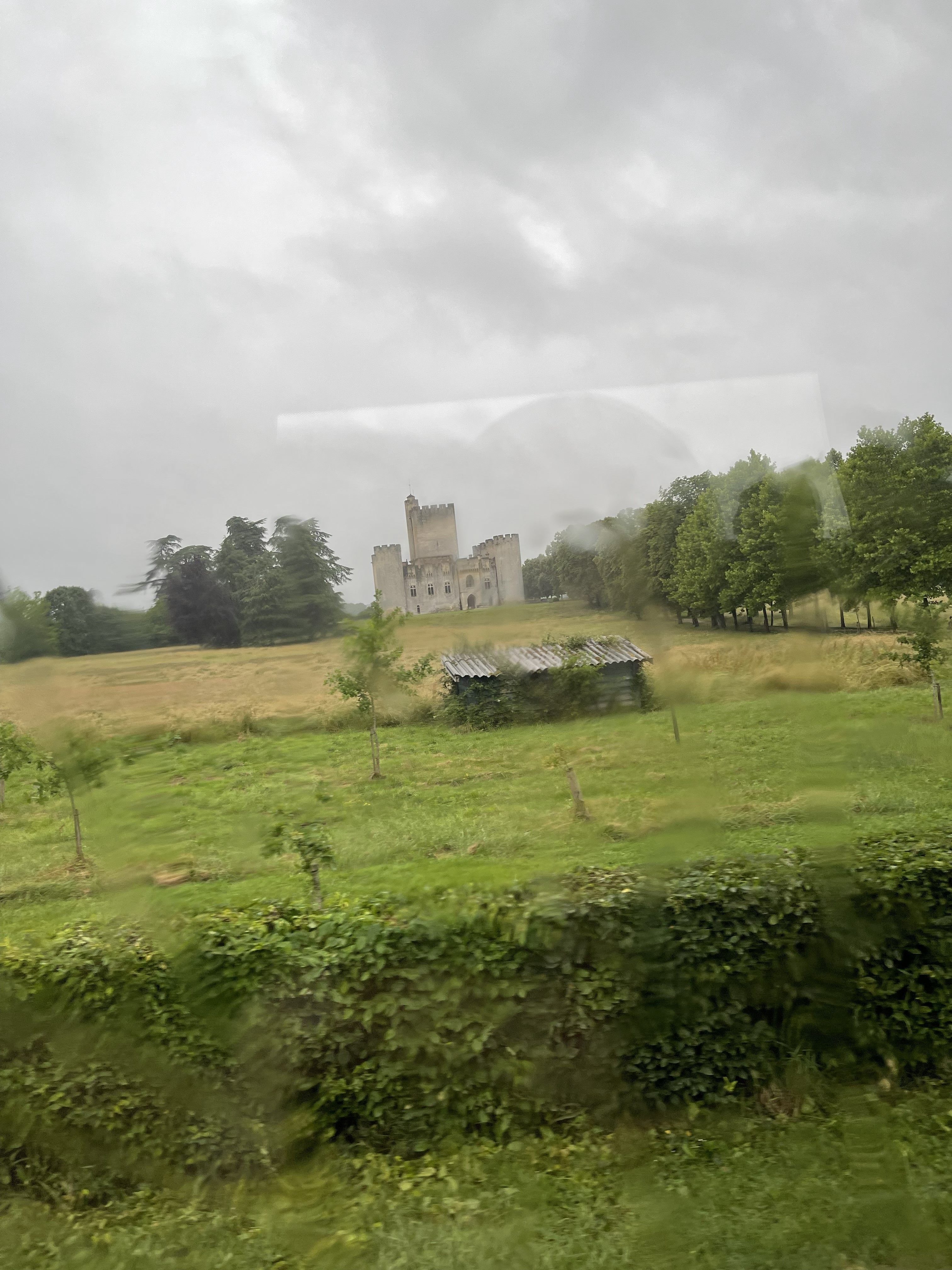
The weather today was very mixed with a lot of rain
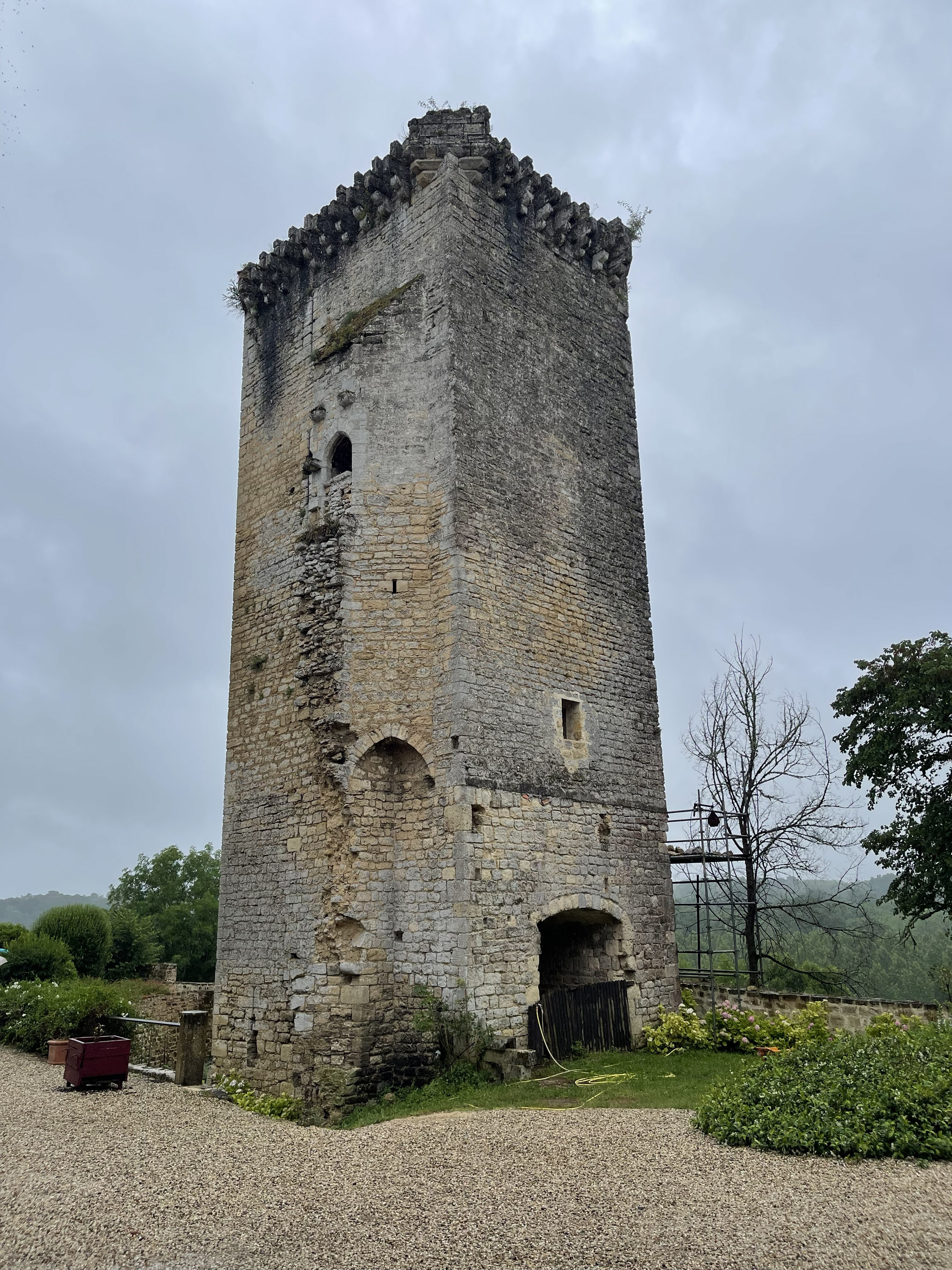
Visit to the Château de Roquetaillade old castle
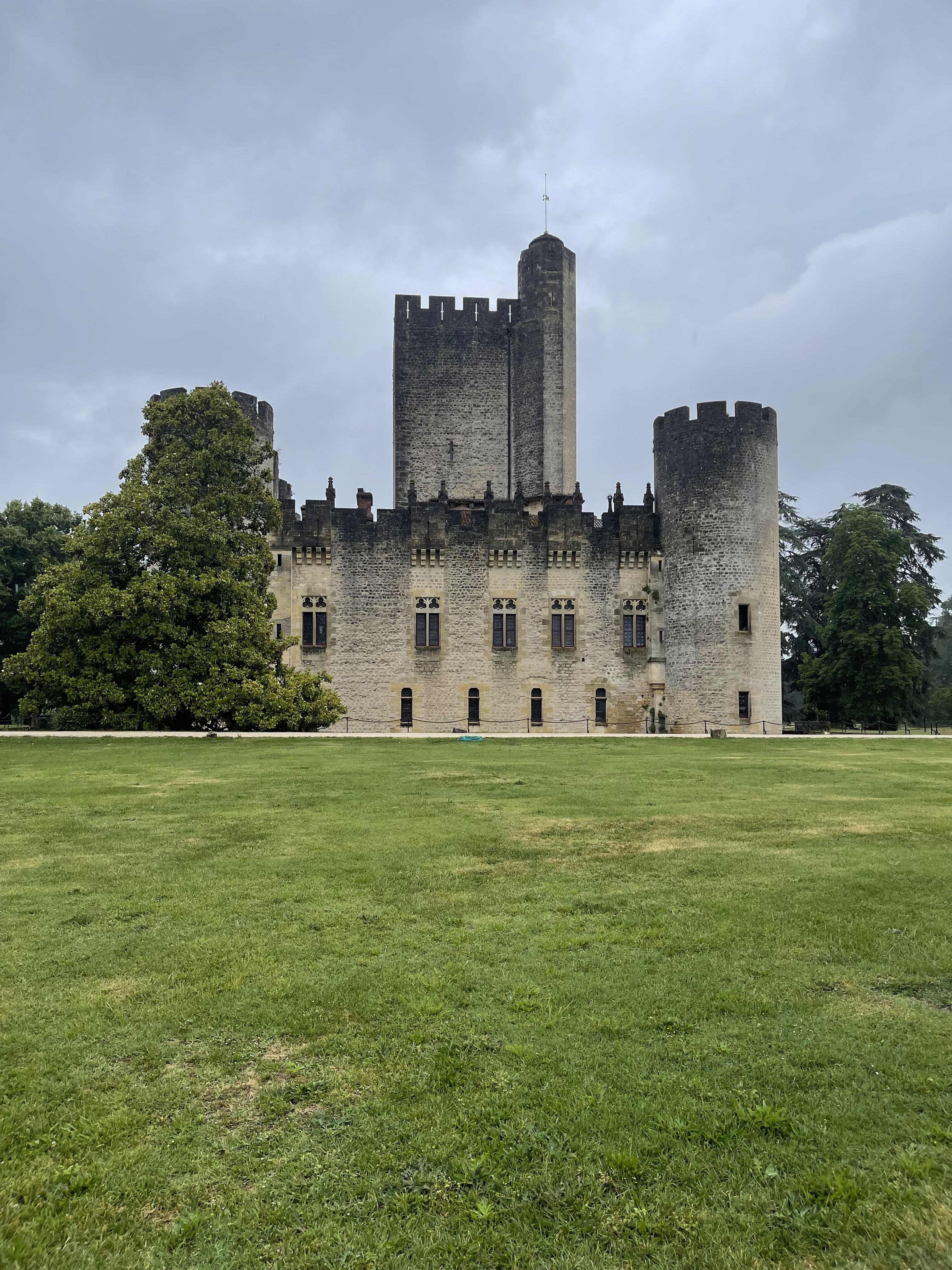
Visit to the Château de Roquetaillade new castle
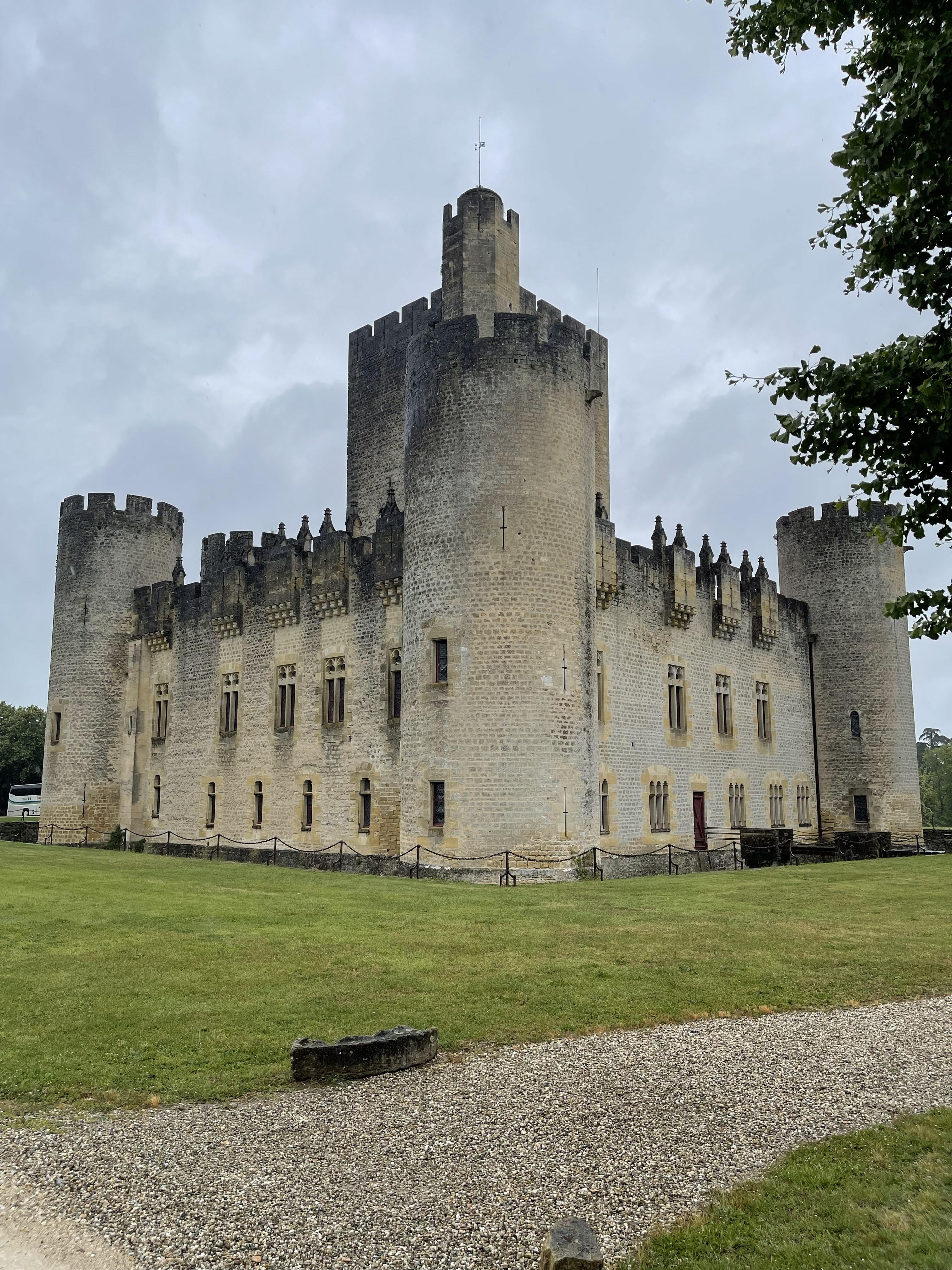
formerly a dark fortress
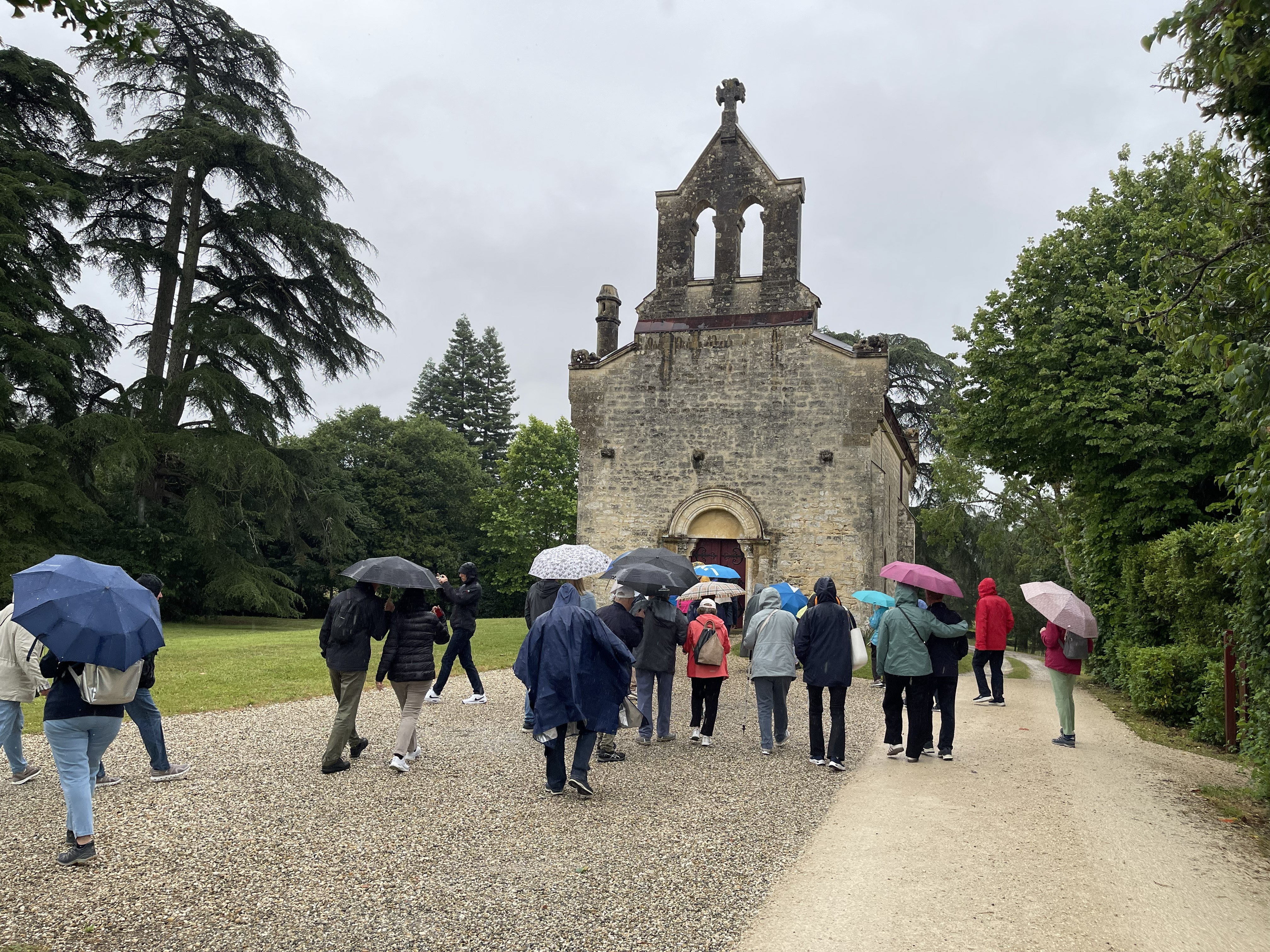
with its own chapel
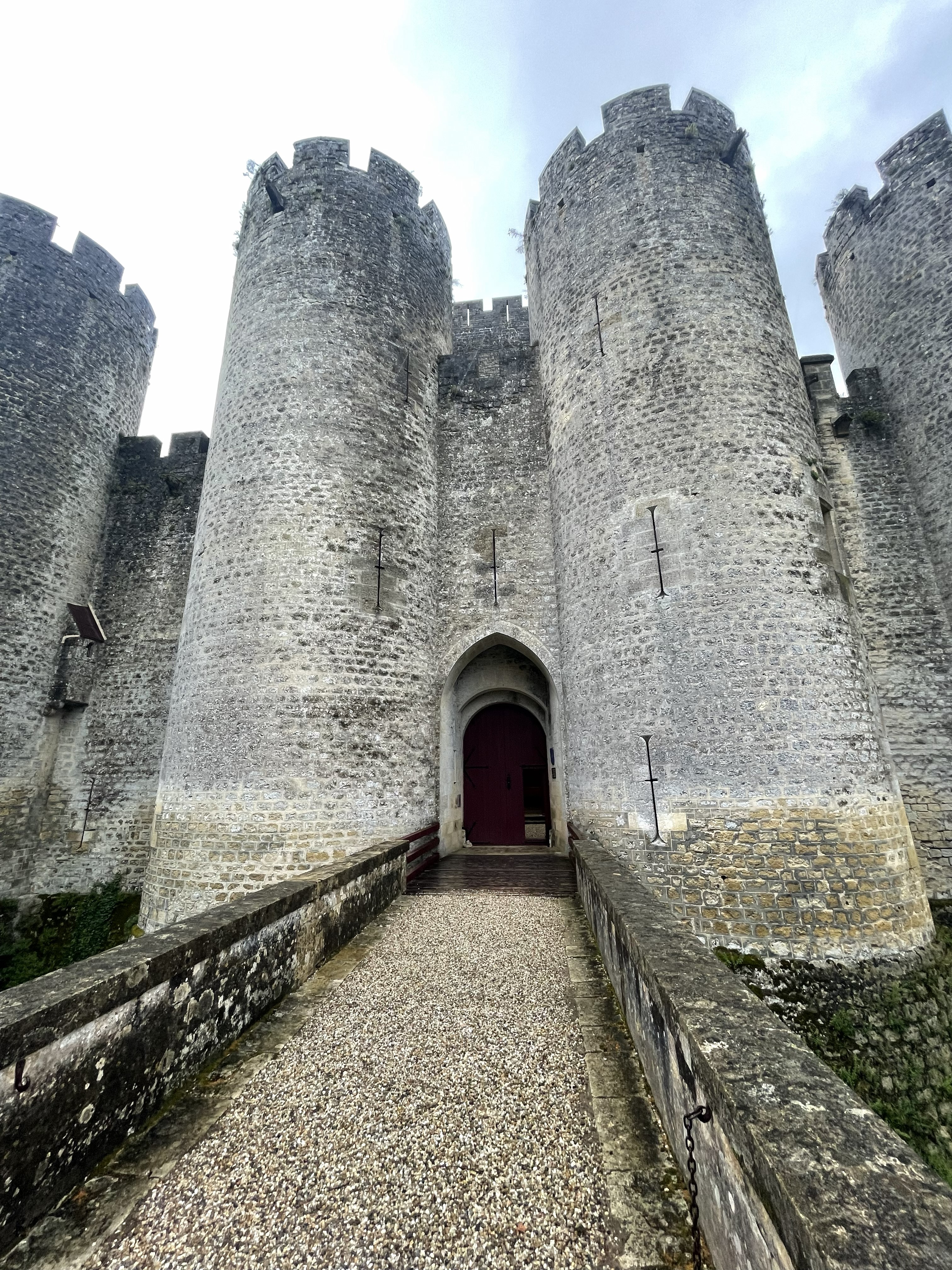
The only entrance to the château is via a bridge
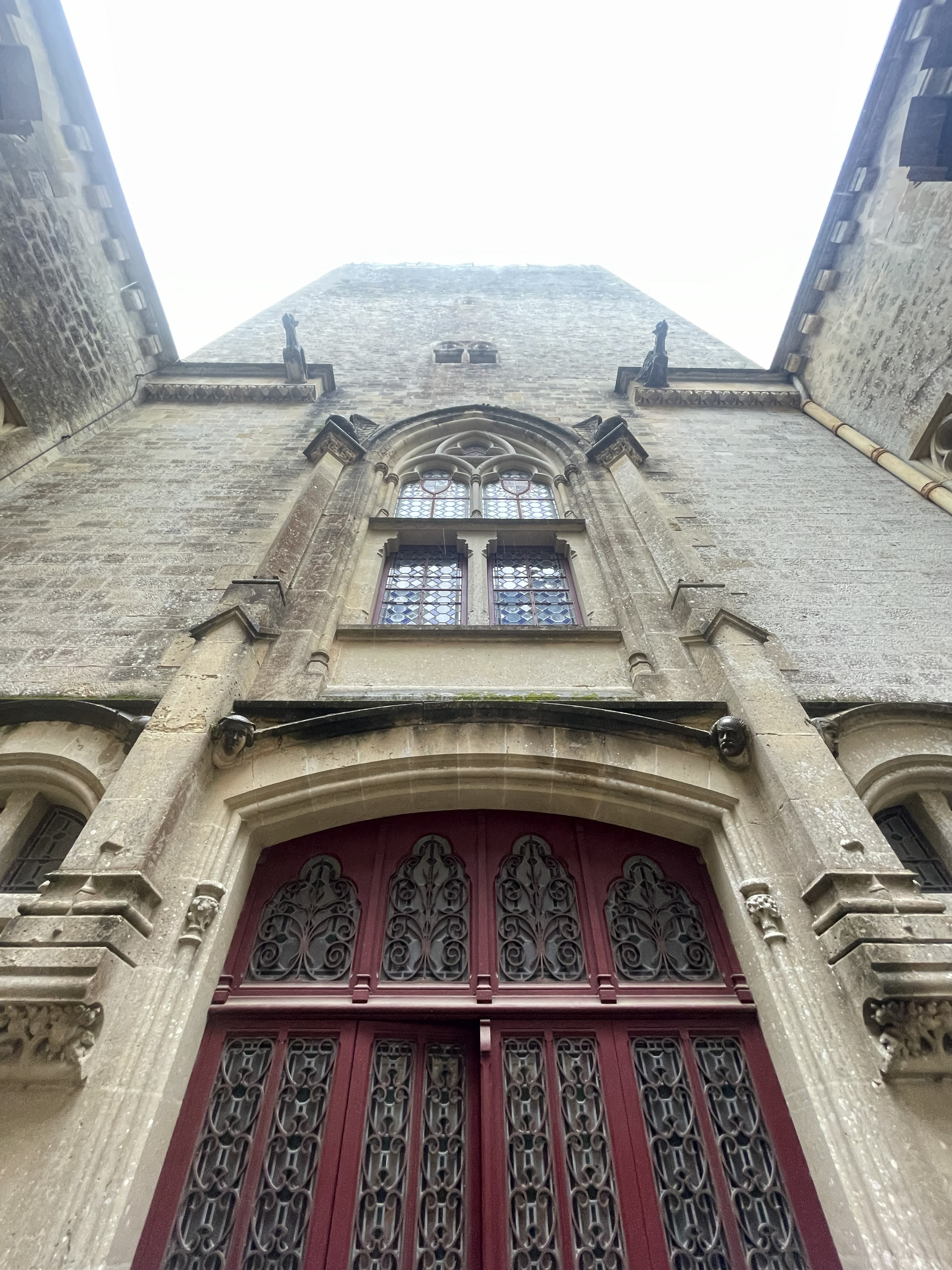
much was rebuilt in the 18th century
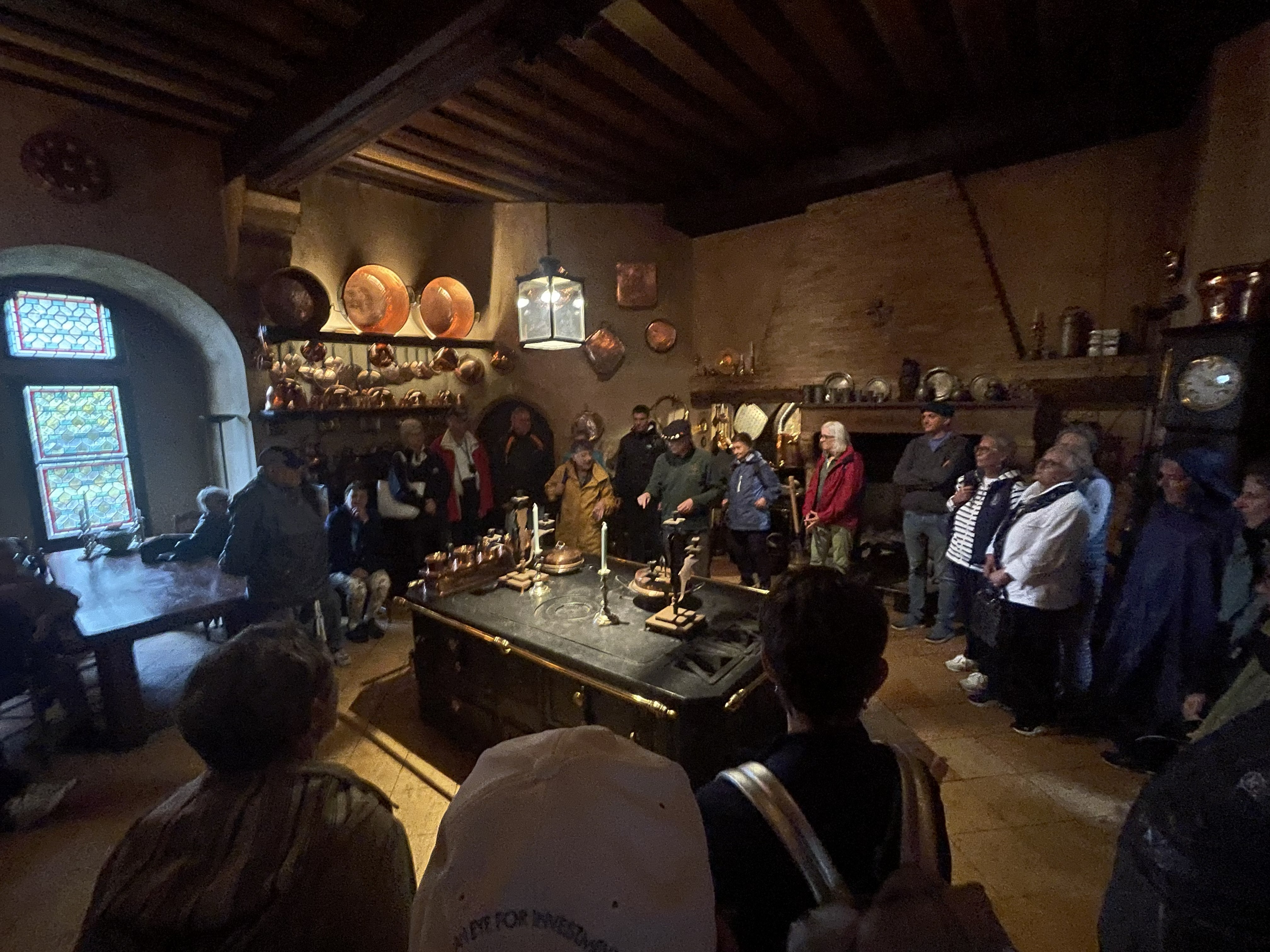
would still be a magnificent kitchen today
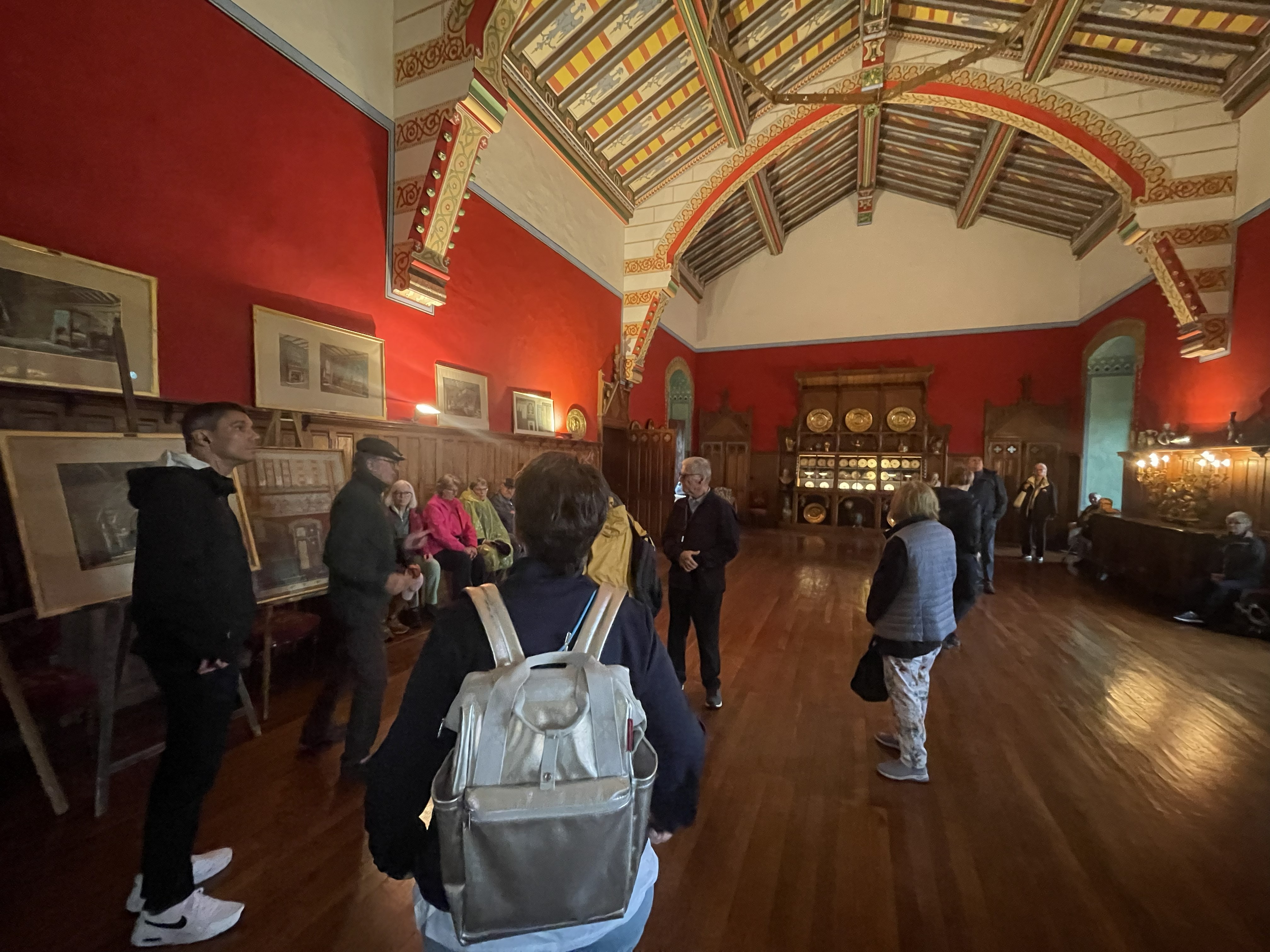
the playful knight's hall
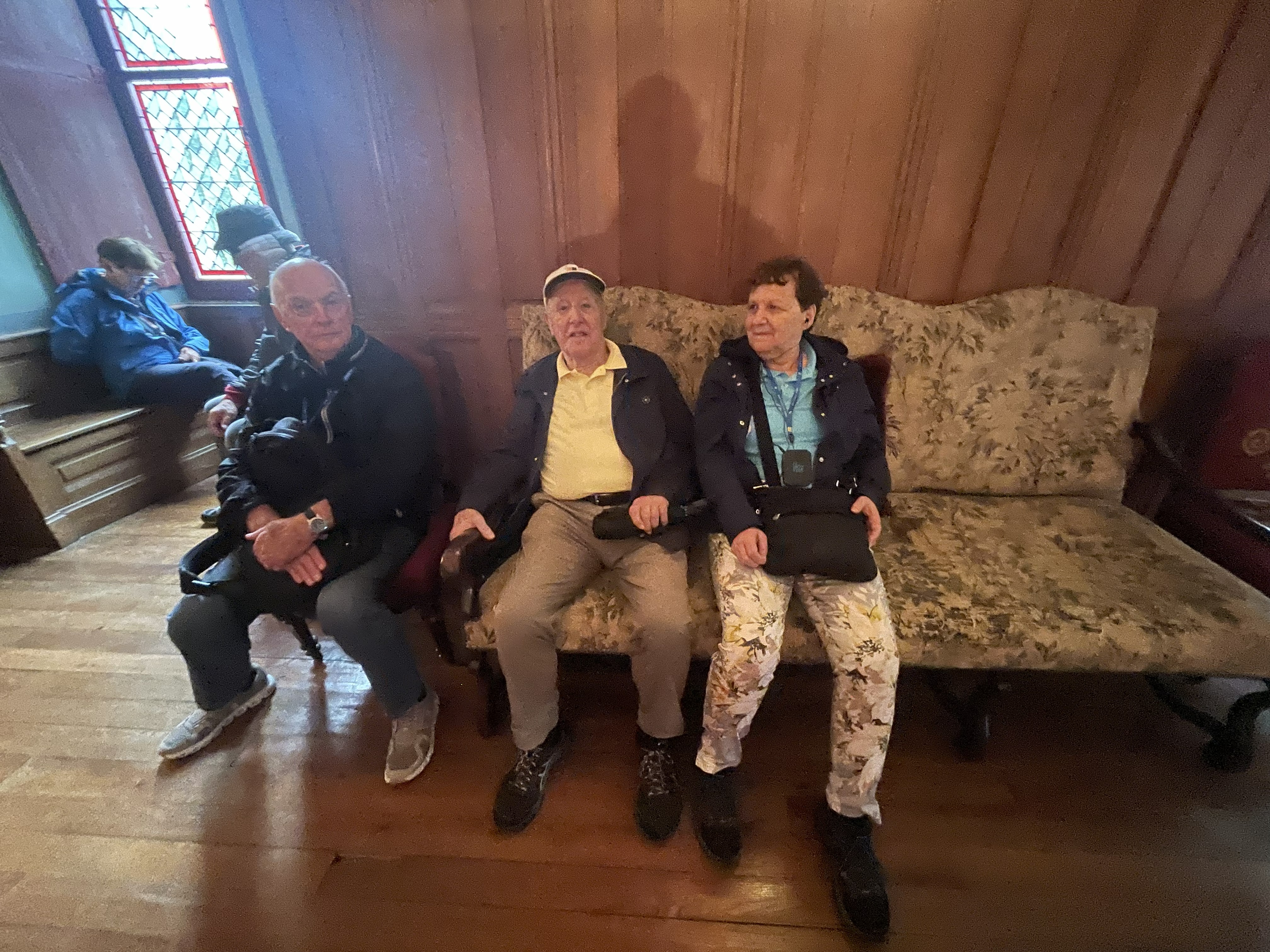
with a comfortable sofa
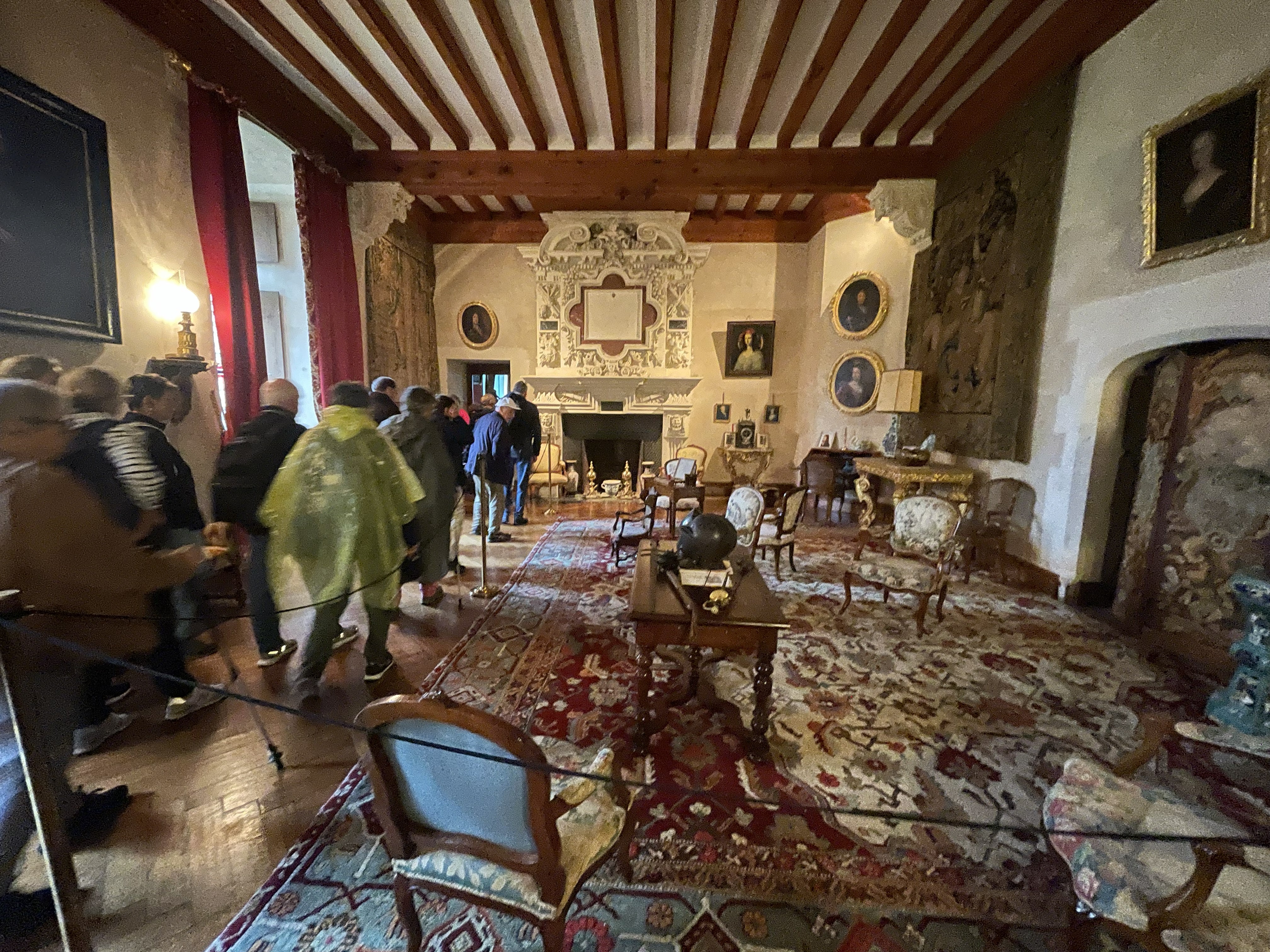
a beautiful living room
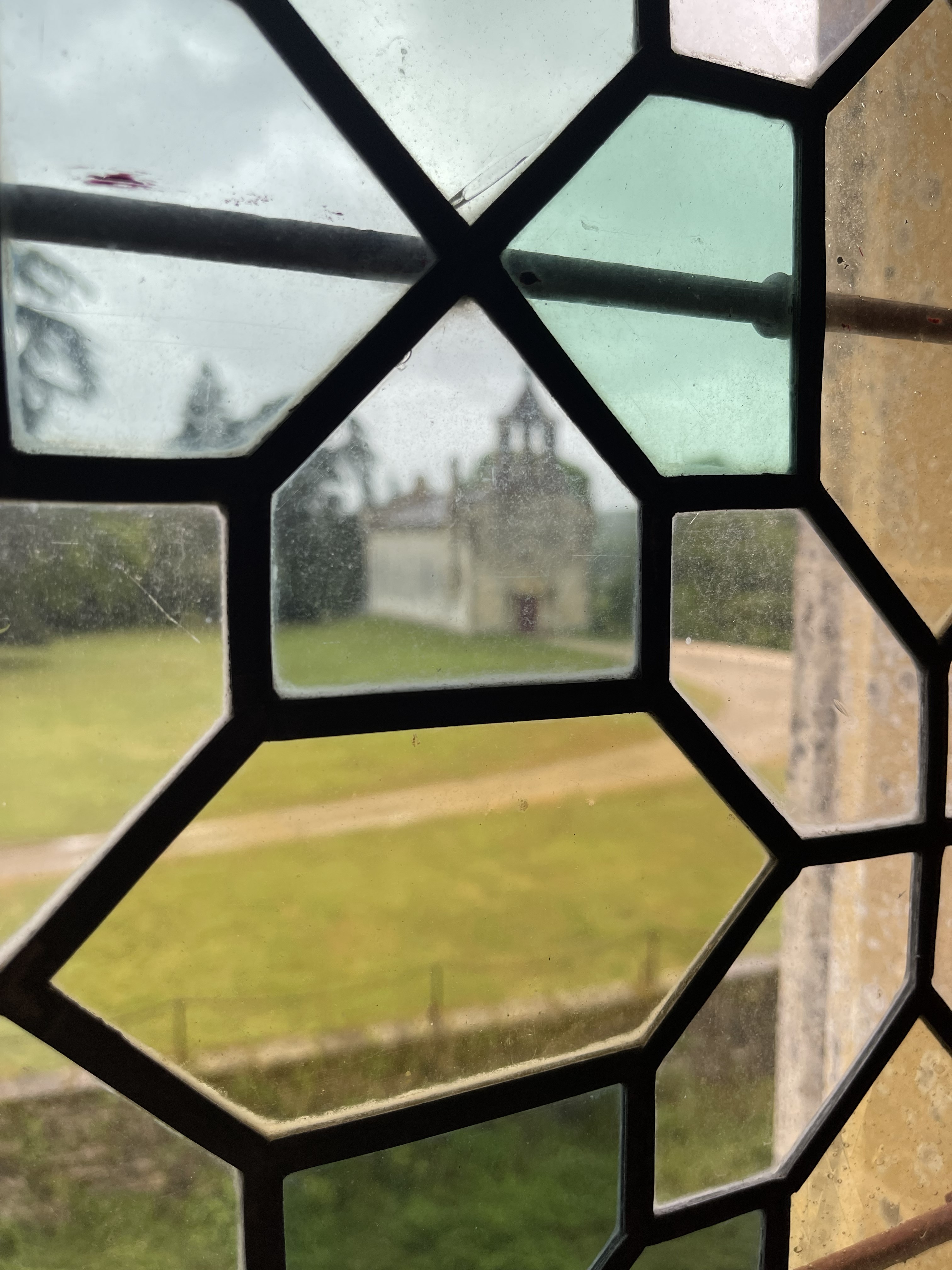
with a view of the chapel
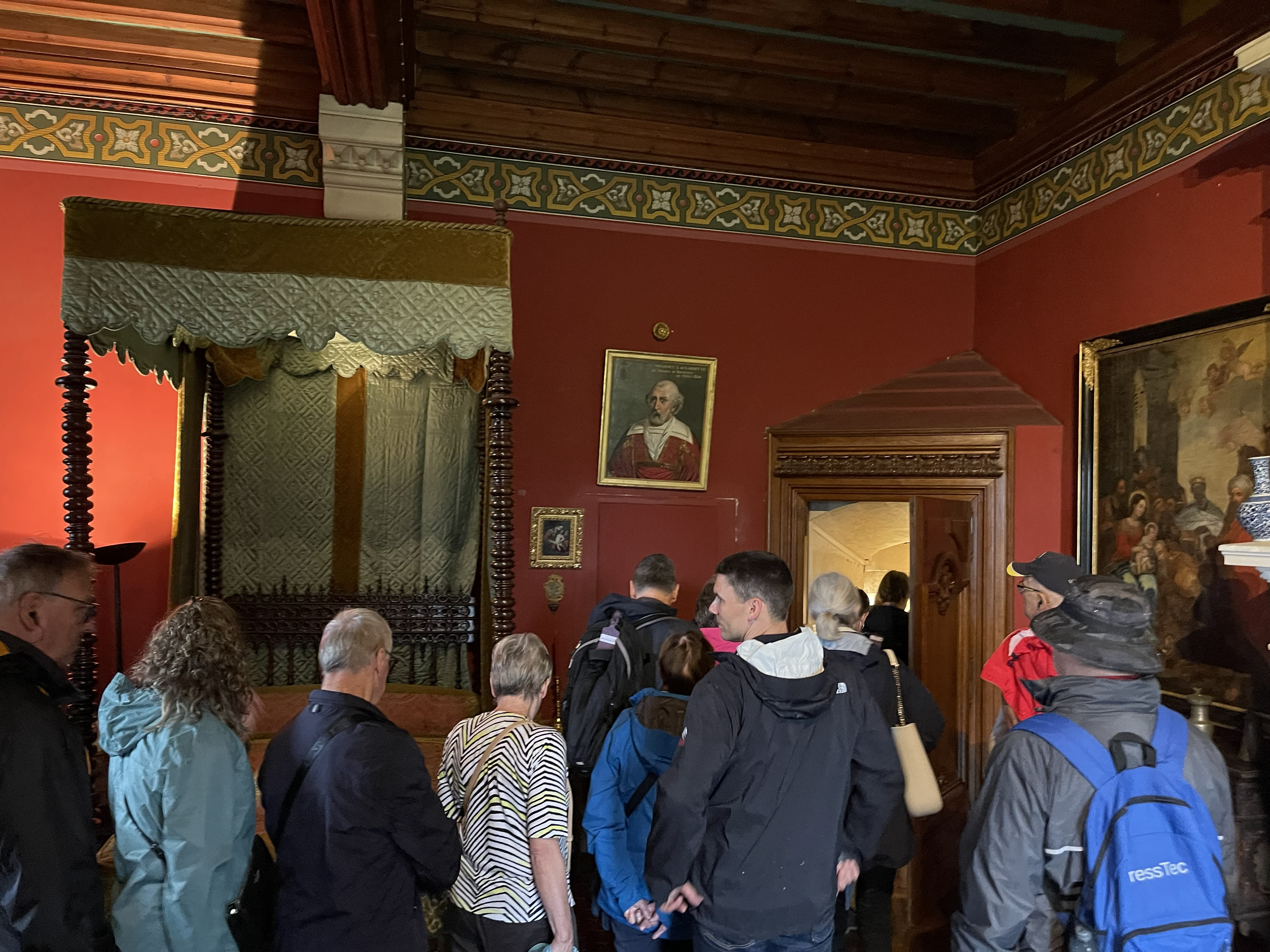
the offspring were conceived here
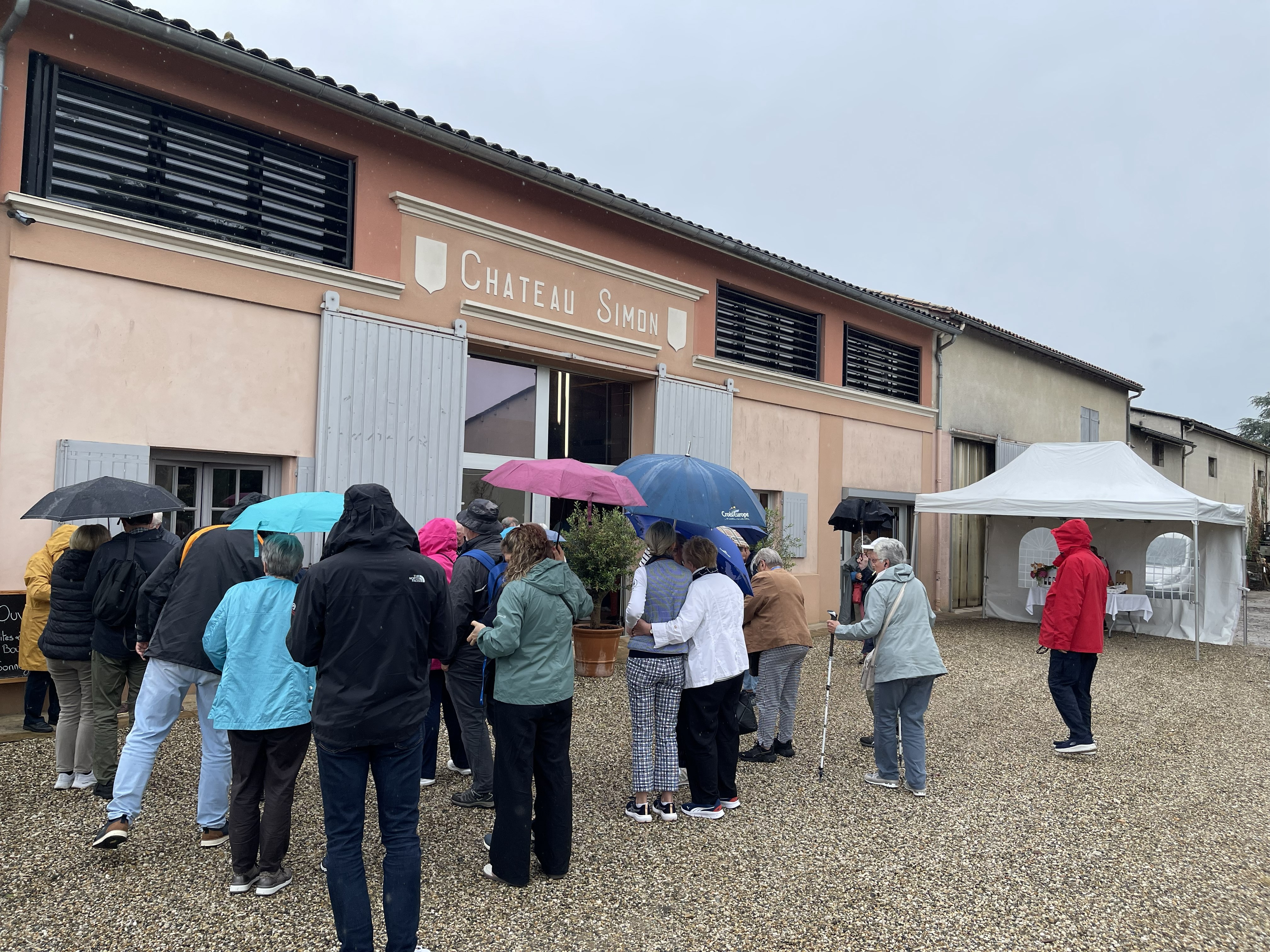
... and we continued to Château Simon
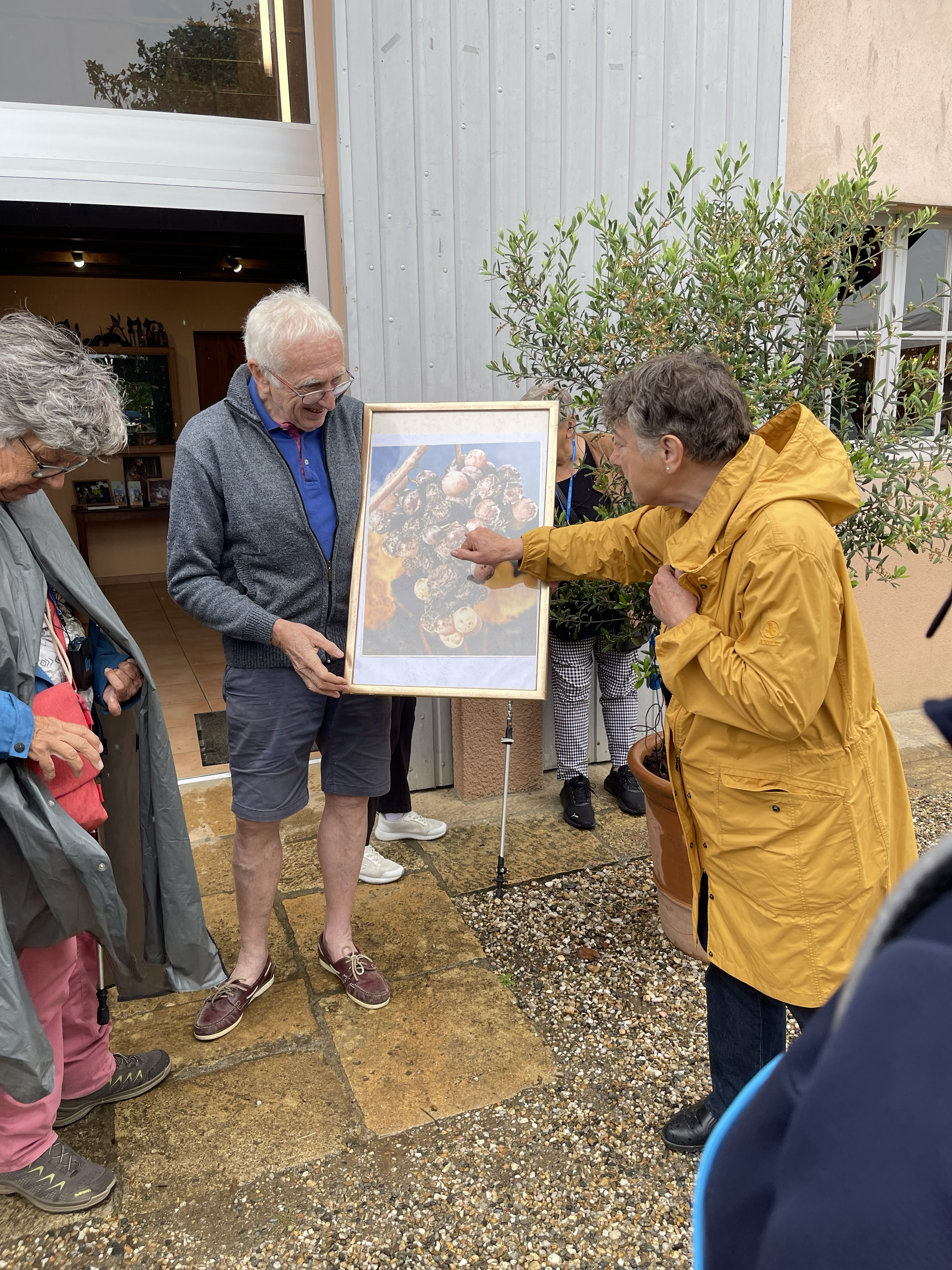
with explanations and scary pictures of the grapes
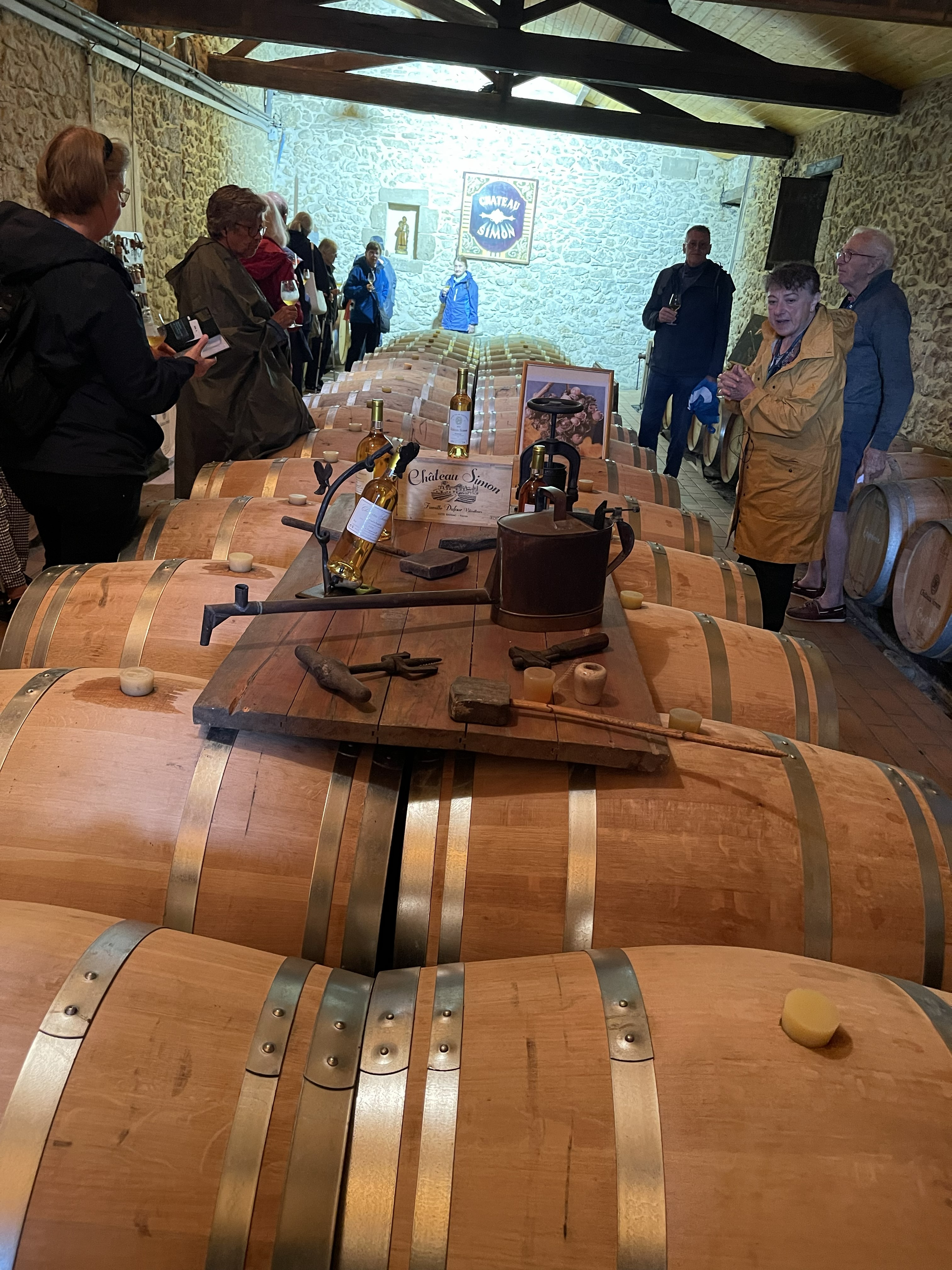
from which the wonderfully sweet Sauternes wines are made.
Walking tour of the town of Cadillac
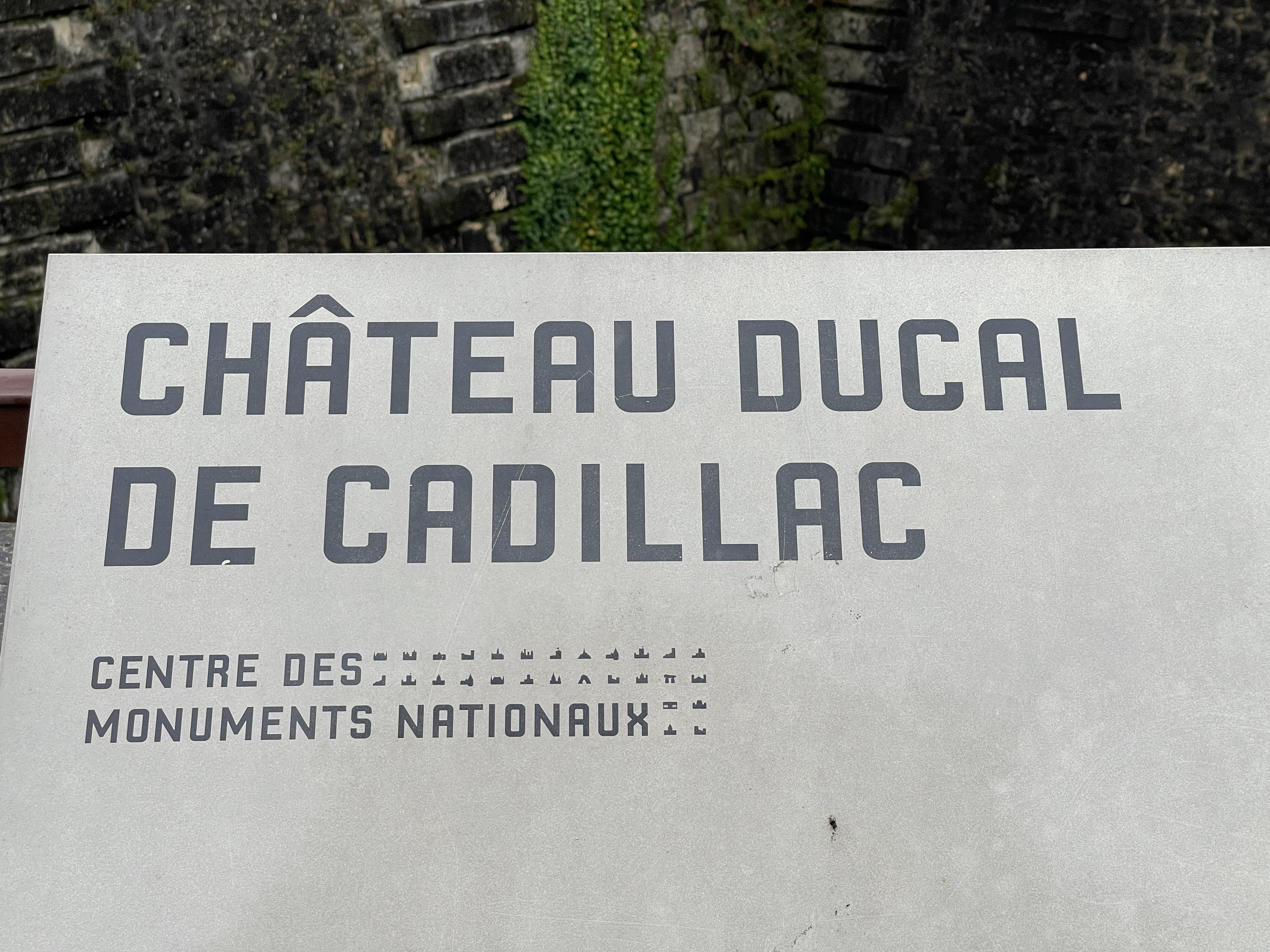
with the castle of the same name
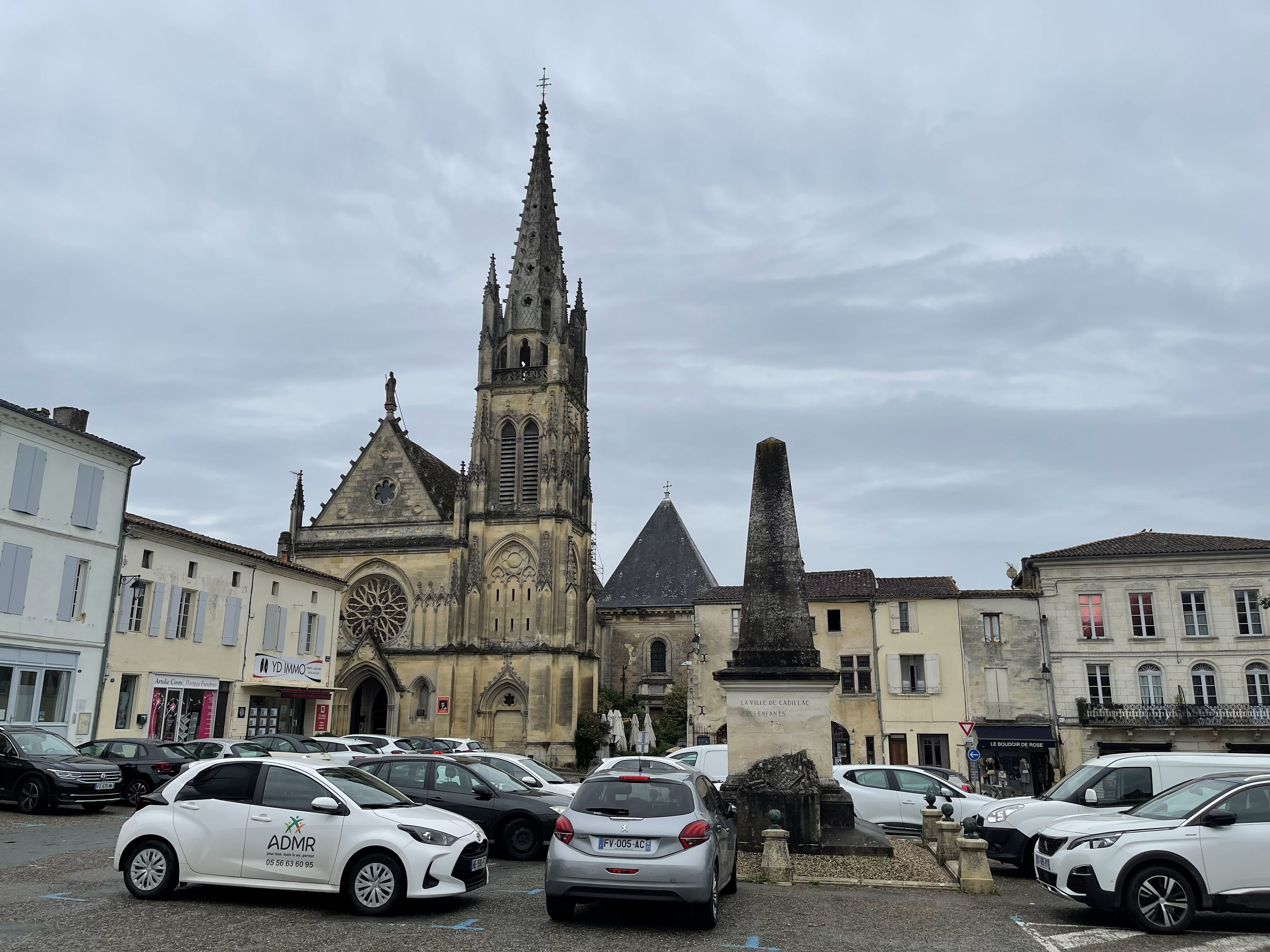
Village square with the largest church
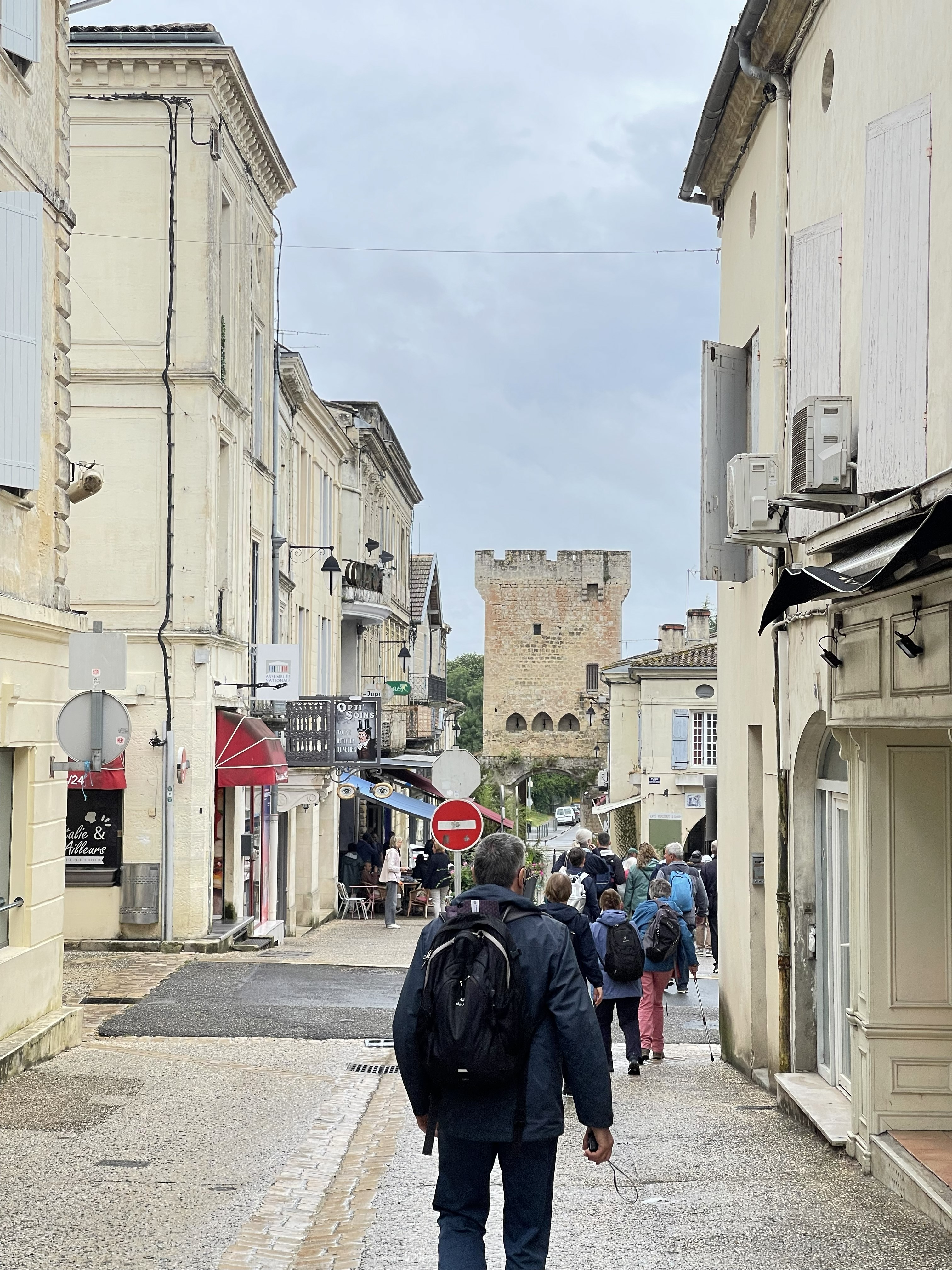
historical alleys
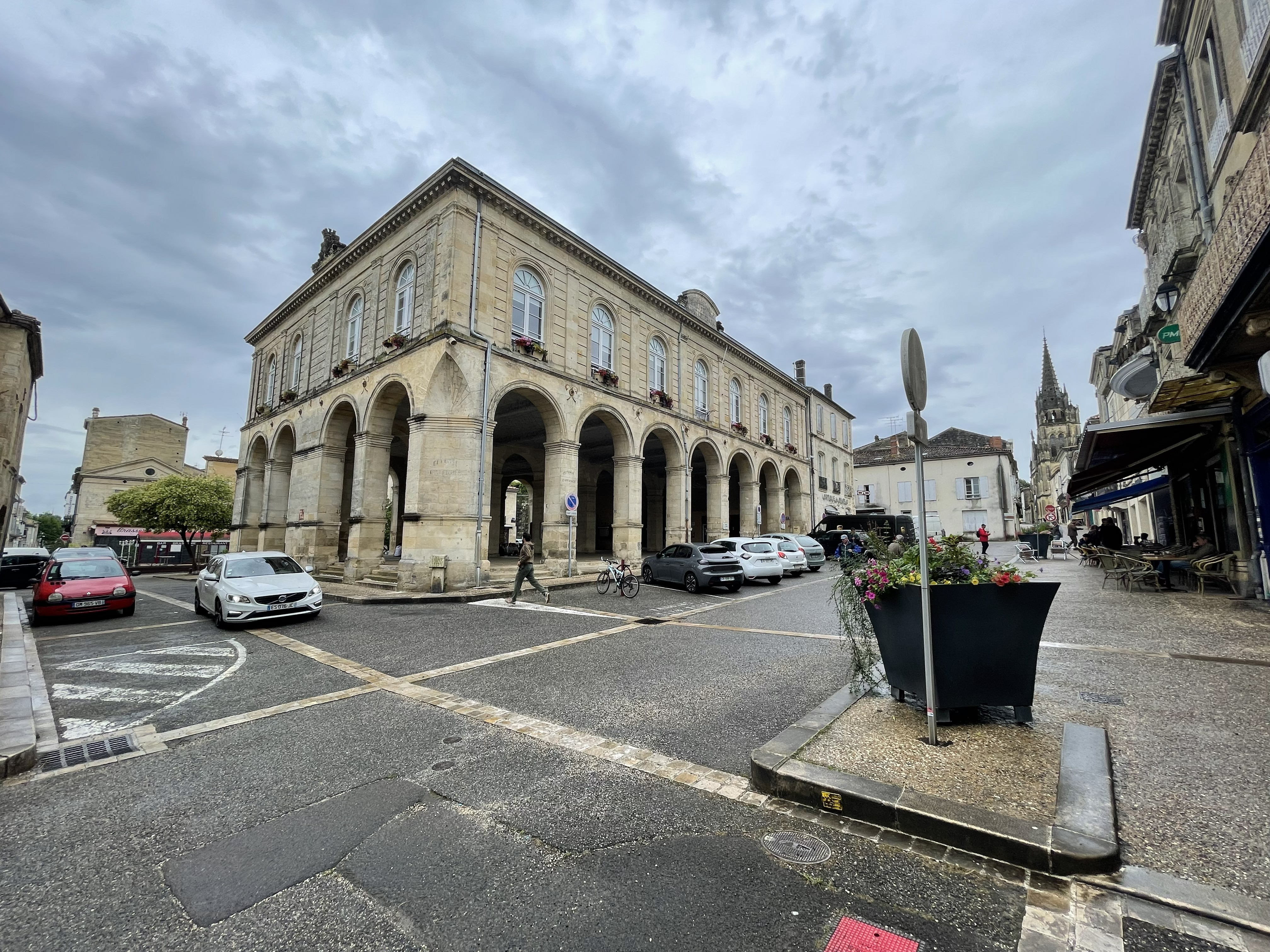
covered market place
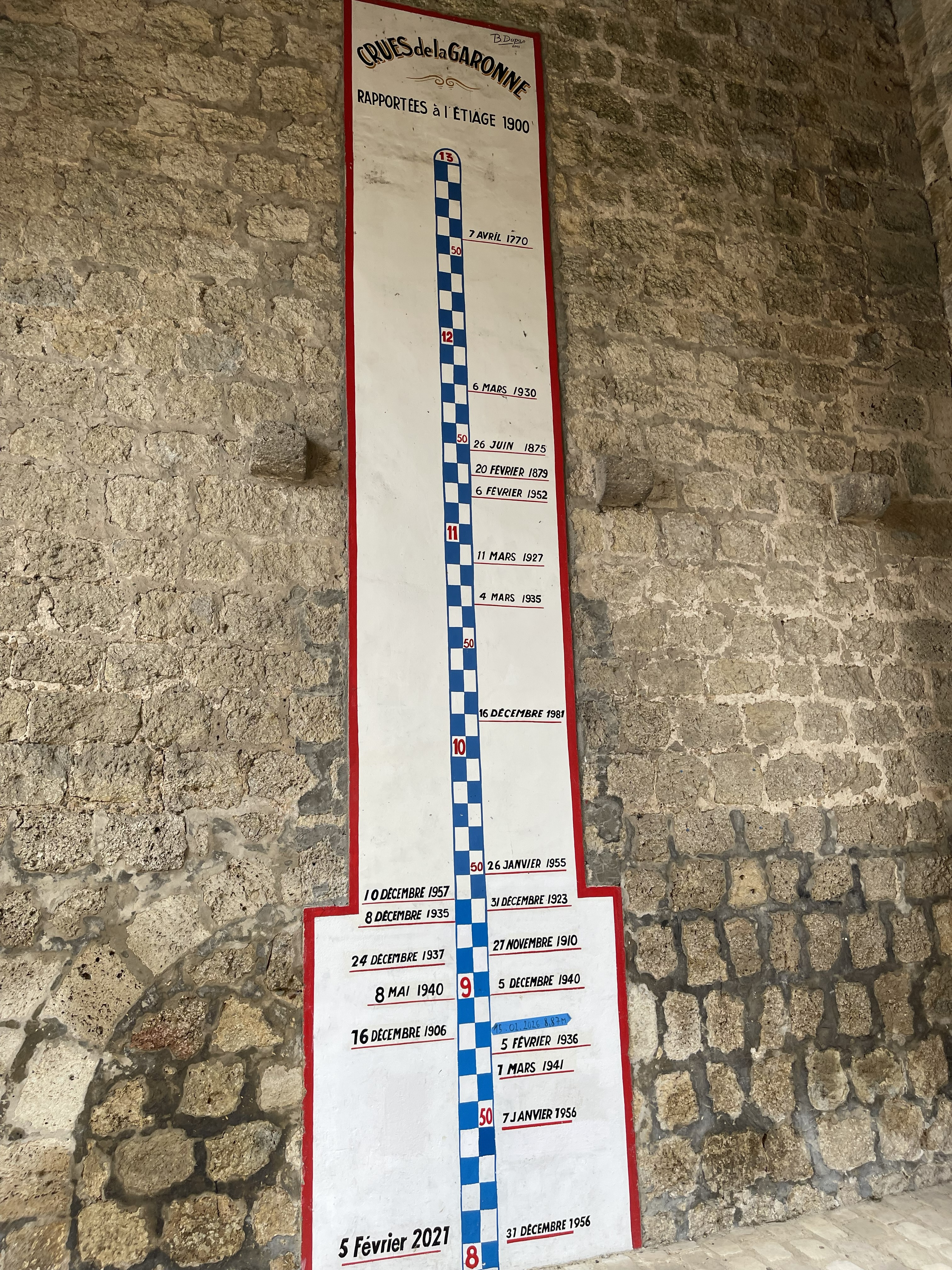
and flood table of the Garonne
Return journey on the Garonne to Bordeaux
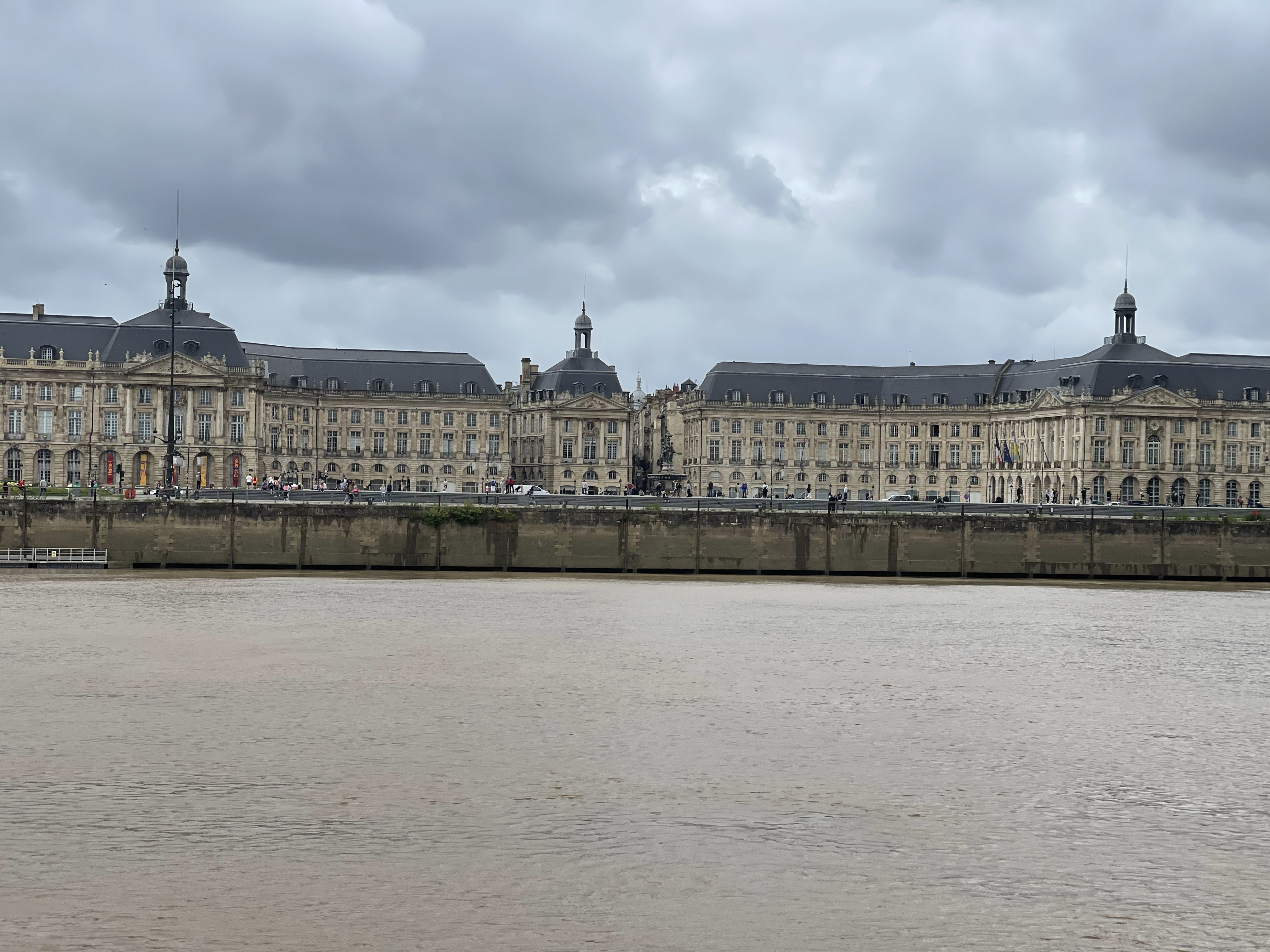
Arrival in the capital of Aquitaine
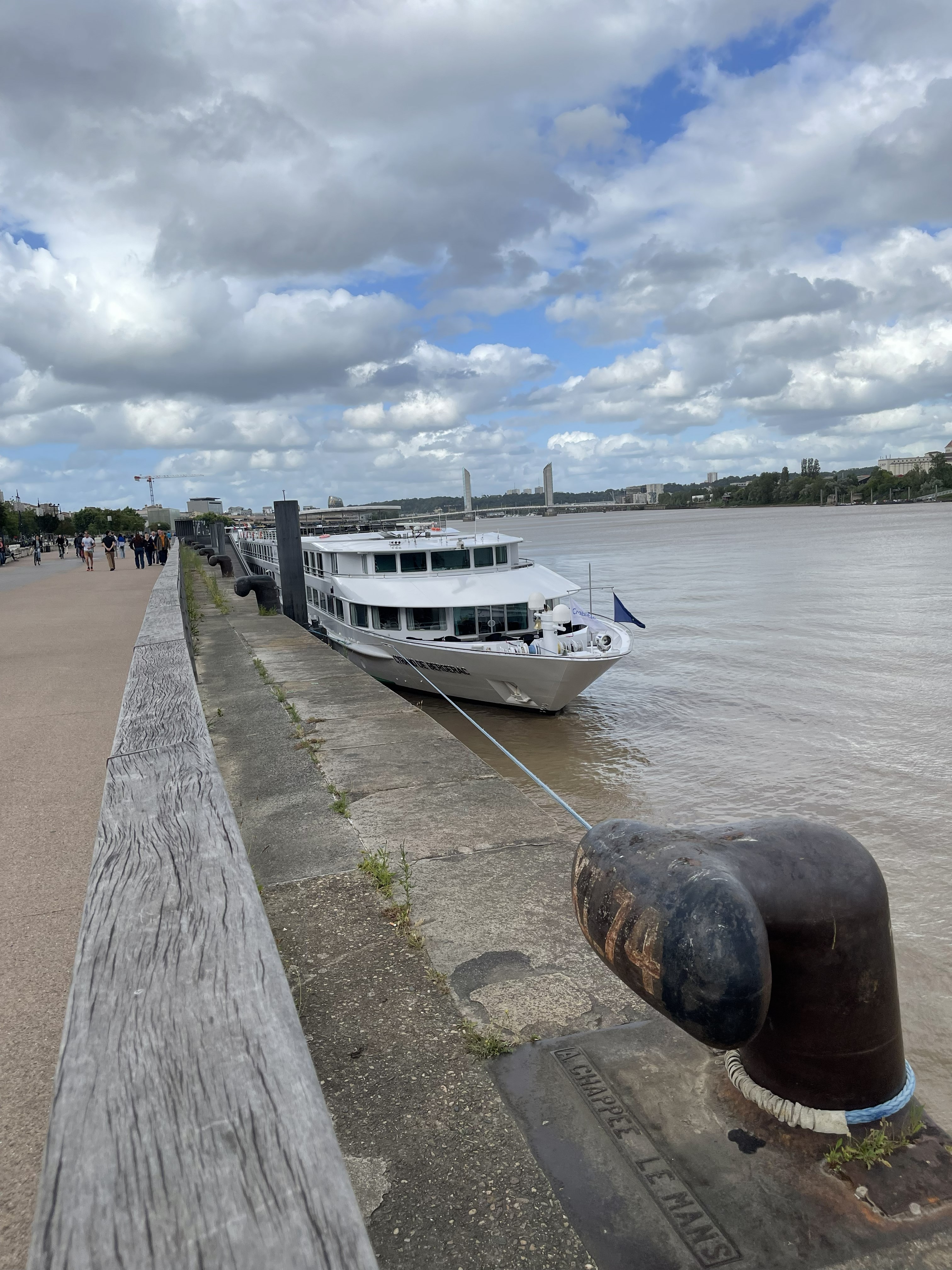
So our river trip came to an end
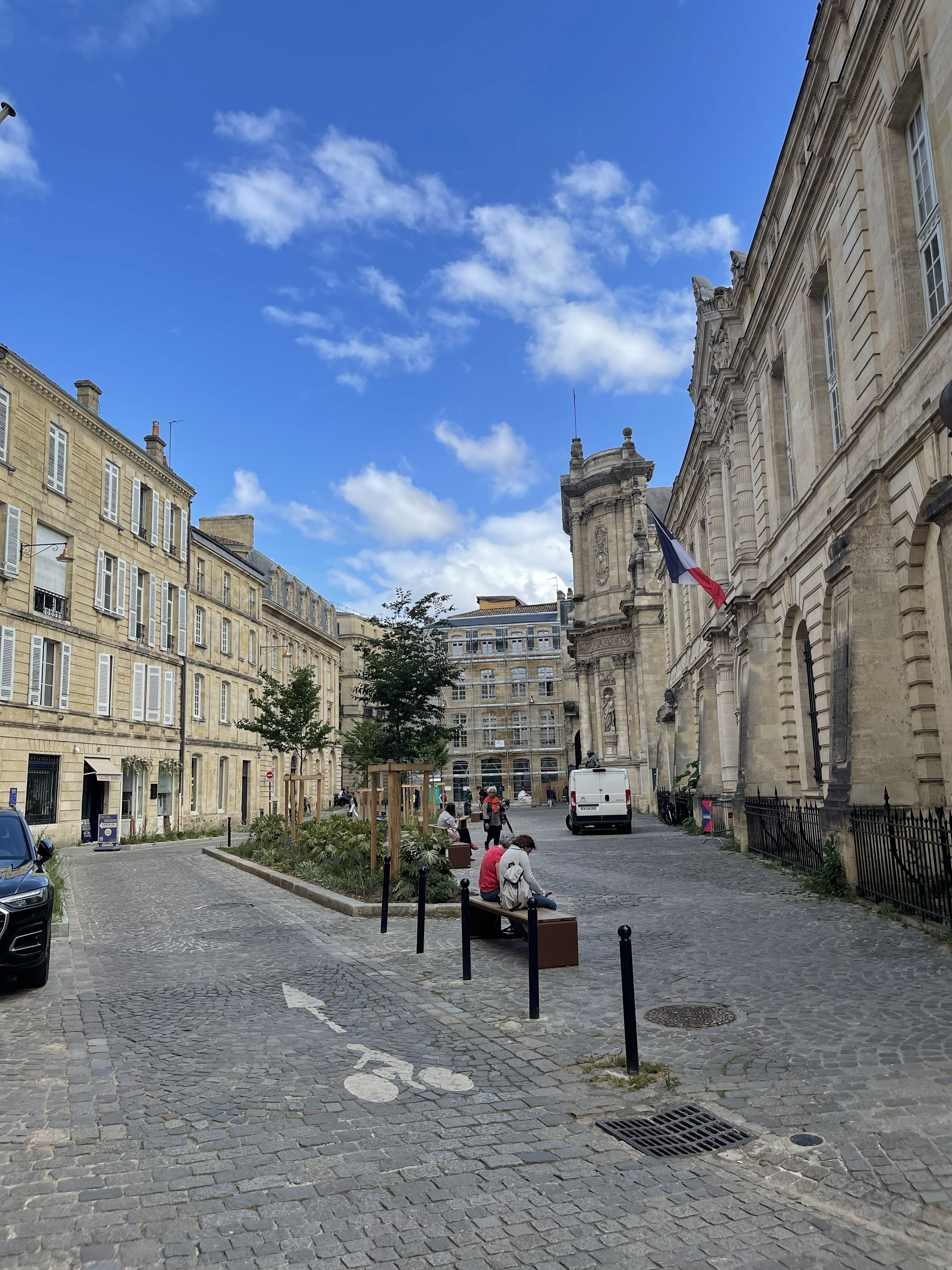
Bicycle discovery tour through Bordeaux
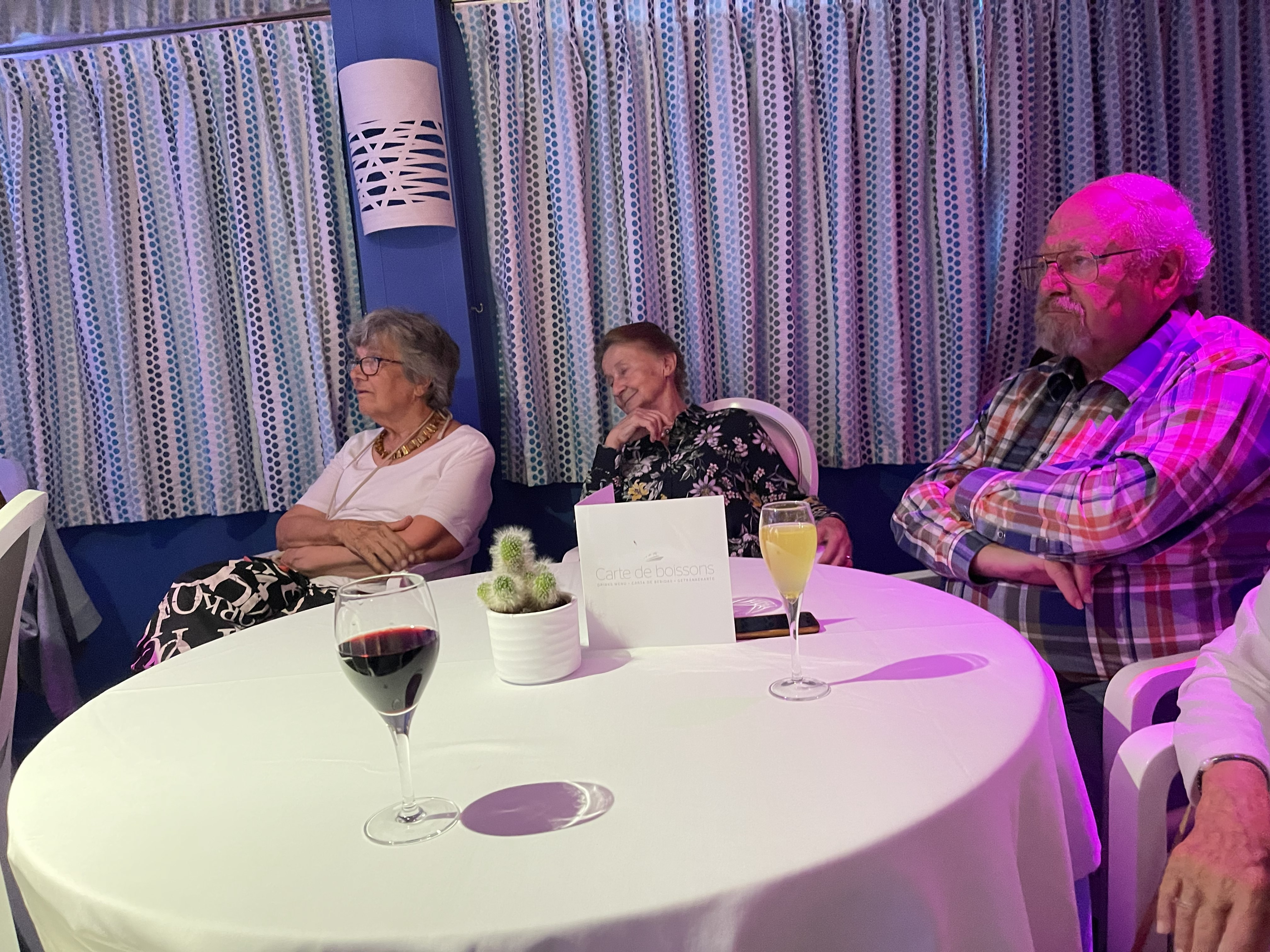
Evening show under close observation
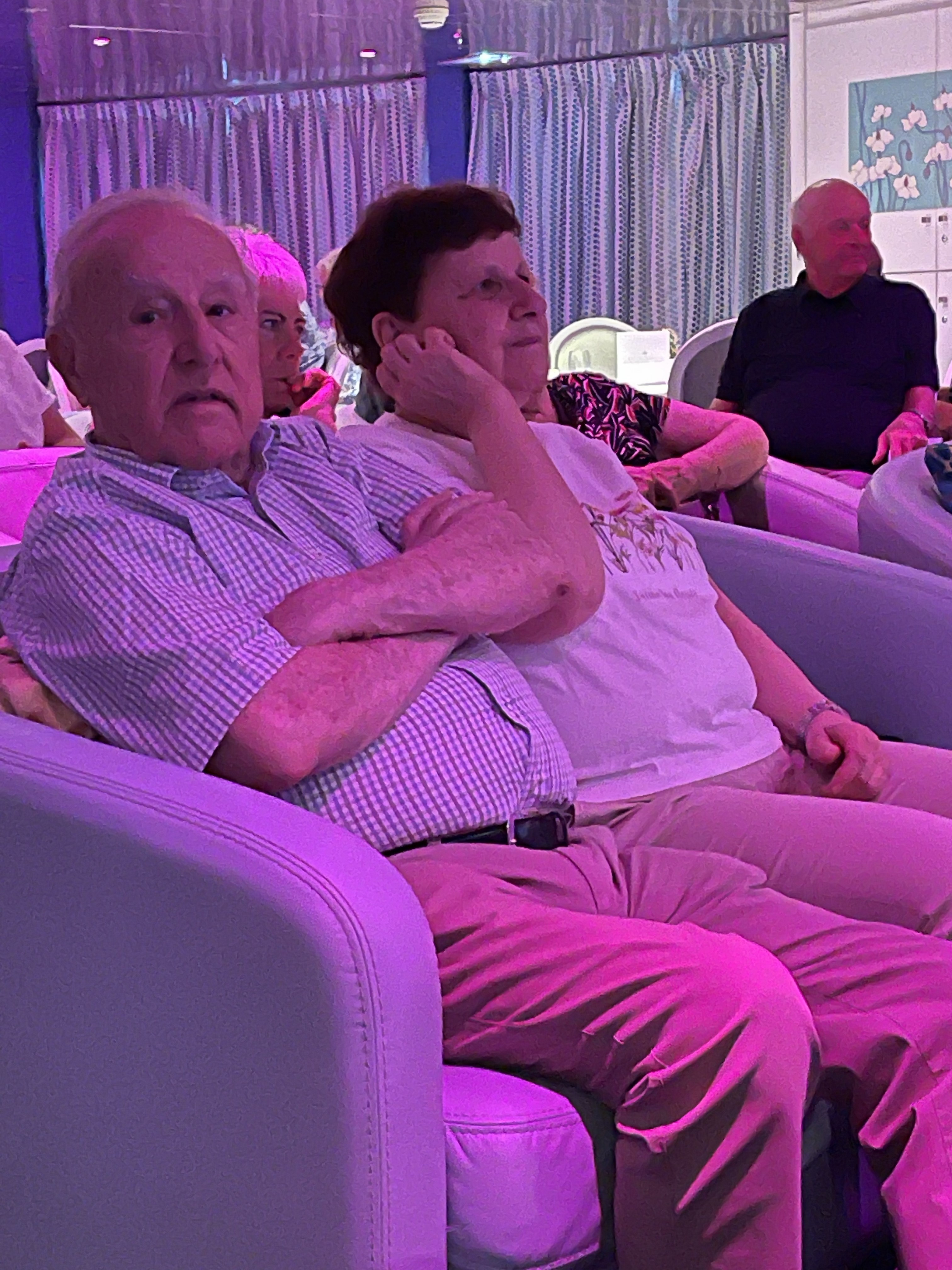
of our guests
and the fully active melody that knows every dance step and every song
Day 6 - Visit the huge Bay of Arcachon, the European oyster center and the largest shifting dune in Europe
After breakfast we set off early, as experience shows that there is a lot of traffic on the roads around Bordeaux on Fridays. The destination was the Atlantic coast near Arcachon.
Arcachon
The journey took around 1¼ hours and was mostly on the motorway. Our first item on the program was the famous Bay of Arcachon, one of the most important oyster centers in Europe, known for its extensive oyster beds and the so-called Bird Island.
Boat trip in Arcachon Bay
Once there, we started a boat trip through the wide lagoon landscape of the bay. I personally found the explanations of the tour guide, who translated the captain's comments, to be a bit dry. The trip itself also fell short of my expectations. The bird island seemed very flat and far away - in fact, there were hardly any birds to be seen, apart from a few seagulls on wooden posts that mark the oyster fields.
What made things even more difficult was that we had to turn back on the way because a second boat was full and we had to take on three more guests. This extended the already quiet journey even further before we finally docked at the Arcachon pier.
Market visit and culinary discoveries
After arrival, the tour guide gave us instructions for lunch and a short tour of the local market. This turned out to be a lively and very interesting place with regional products and a lot of everyday French life.
Oysters - paradise
For me, this was the culinary highlight of the morning: I tried eight different oysters - freshly opened and accompanied by a dry white wine. An intense, salty taste experience that fits the region perfectly.
Cannelés de Bordeaux
Afterwards I also wanted to get to know the sweet side of the local cuisine. I discovered the famous Cannelés de Bordeaux. This traditional pastry made from a dough containing flour, milk, eggs, sugar and rum dates back to the 17th century. Caramelized and crispy on the outside, soft and almost creamy on the inside - a perfect combination of vanilla and rum flavors.
Seafood for lunch
Shortly afterwards the group met for lunch at a restaurant. A large plate of Fruits de mer was served as a starter – with oysters and prawns, of course.
Since not all of the guests liked or tolerated oysters, I was able to indulge in culinary delights again and enjoy several oysters again. The high zinc content of oysters is often associated with a stimulating effect - at least this myth persists in the coastal region.
The main course was chicken, rounded off with a classic tiramisu for dessert.
Well fed – or rather “like a duck” – we continued our journey.
The Dune of Pilat – natural wonder on the Atlantic
In the afternoon, one of the most spectacular natural experiences of this trip was on the agenda: the Dune of Pilat.
The largest shifting dune in Europe was created over a period of around 4,000 years through the interaction of wind, tides and ocean currents. It consists of around 60 million cubic meters of sand and migrates between one and five meters inland towards the adjacent pine forest every year.
On site, a staircase with around 130 steps leads up to the dune, which is over 100 meters high. The climb was quite strenuous, especially after the sumptuous lunch. Some guests even decided to climb directly through the sand - much more sporty and correspondingly more strenuous.
Once at the top, there was an impressive panoramic view: on one side the wide bay of Arcachon, on the other the endless pine forest that stretches to the horizon.
What was particularly pleasing was that a surprising number of guests made it up. I would like to highlight Ms. Flückiger, who also took the journey and thus impressively showed how much energy and willpower she has. A truly remarkable achievement.
Return to Bordeaux and French evening on board
In the late afternoon we went back to Bordeaux. Luckily the traffic was limited, so we arrived back at the Corniche around 5 p.m., where the Cyrano de Bergerac was already waiting for us.
The rest of the afternoon was free before we went back to dinner together in the evening.
This last evening was themed “Guinguette” – a traditional French themed evening. The crew appeared in red, white and blue colors as well as typical berets and created a particularly festive atmosphere.
After dinner, the crew officially said farewell in the large lounge. An atmospheric show rounded off the evening and marked the emotional end of the trip.
Then it was time to slowly pack your bags and prepare for the upcoming day of departure - with lots of impressions, experiences and moments that will certainly be remembered for a long time.
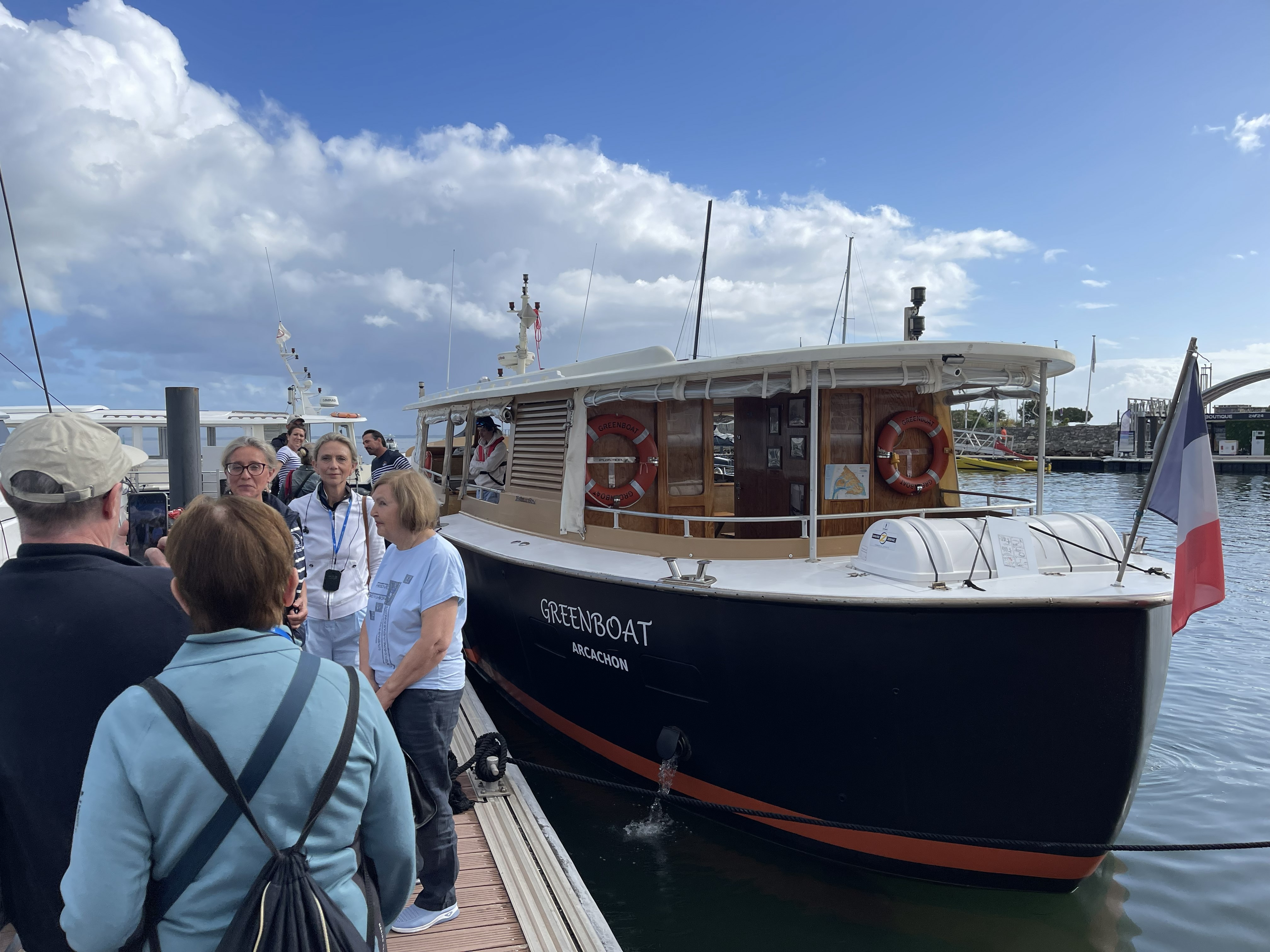
First we got on the boat in Arcachon
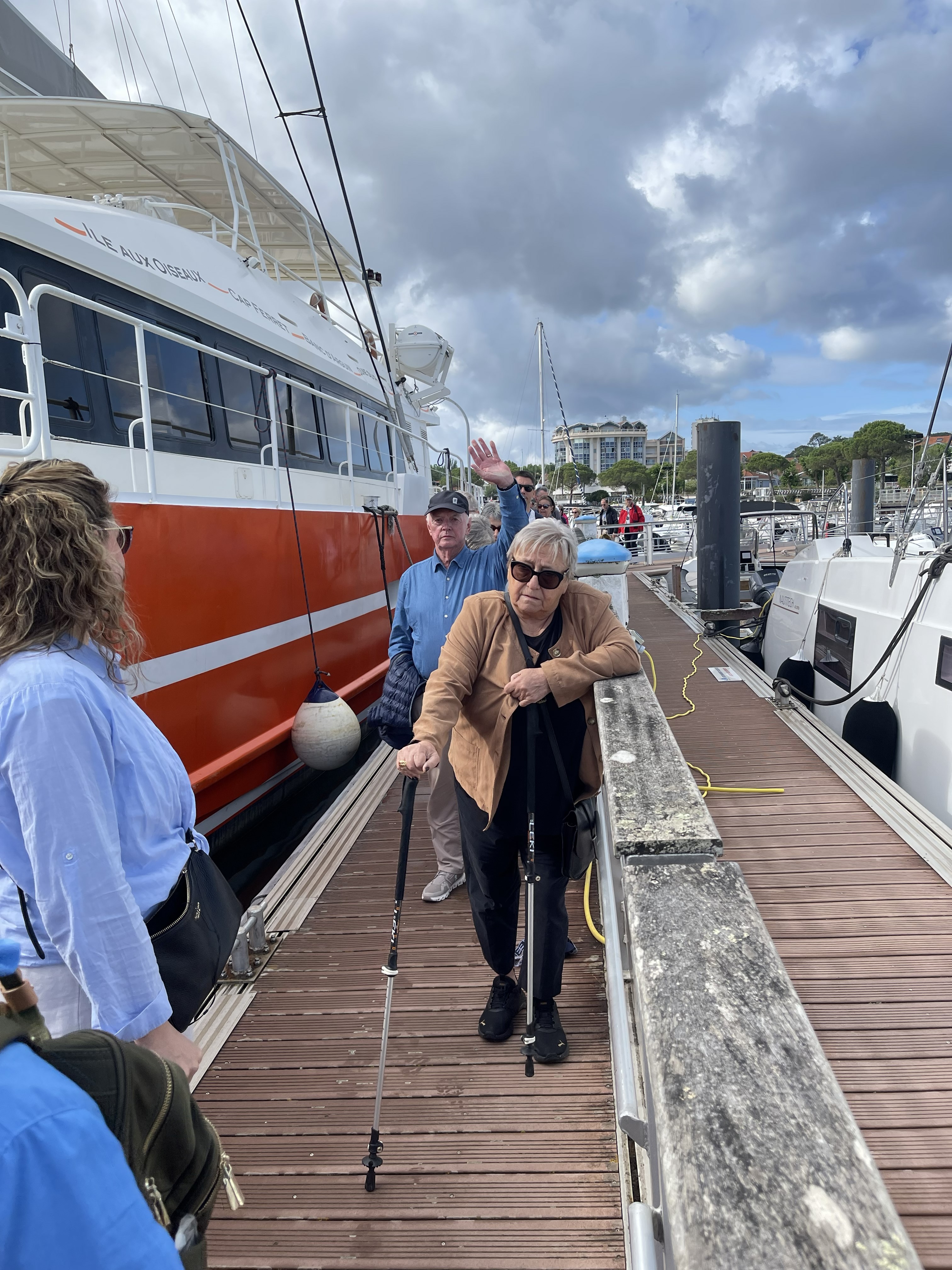
all beautifully lined up
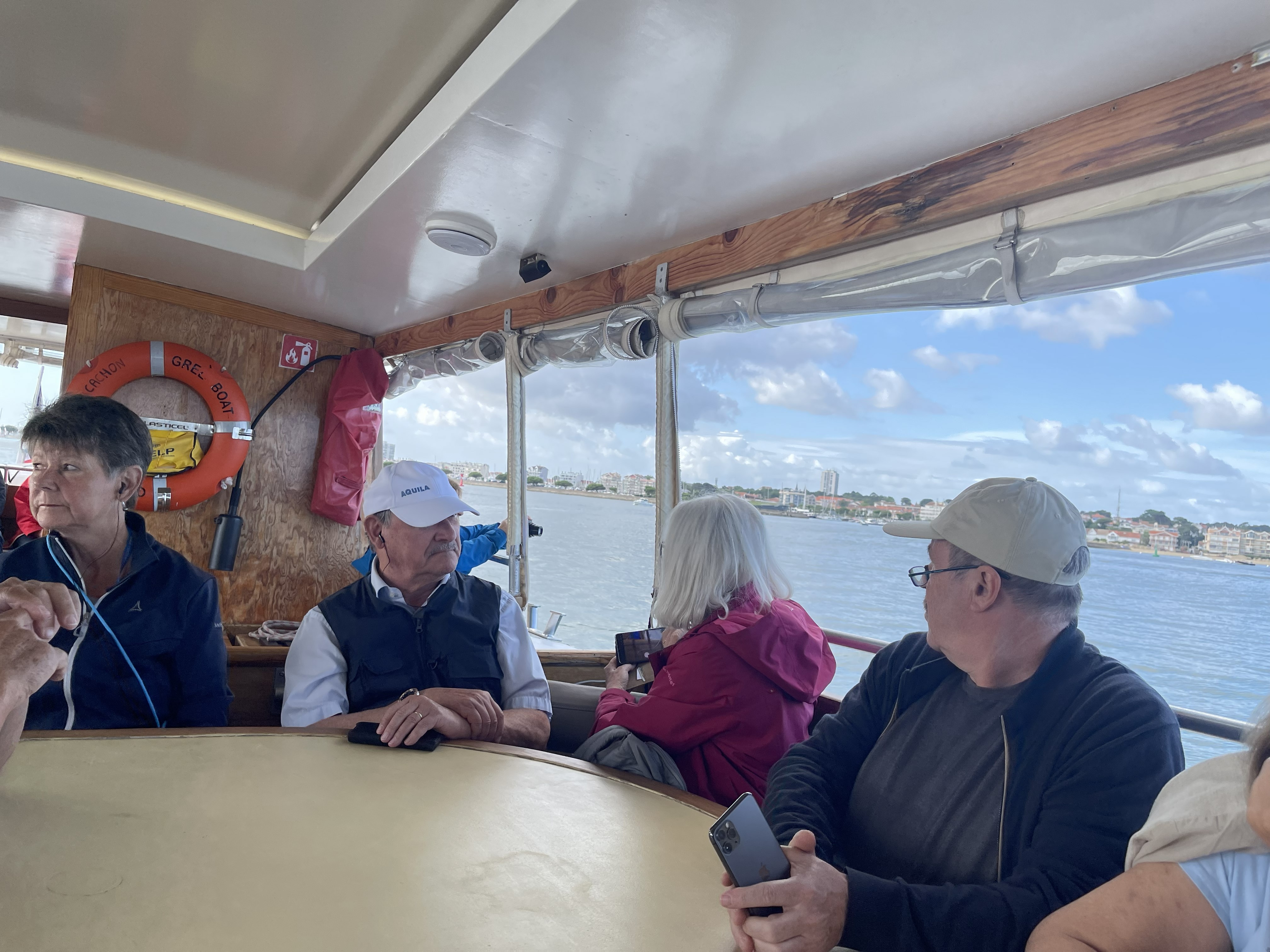
The seats have been taken
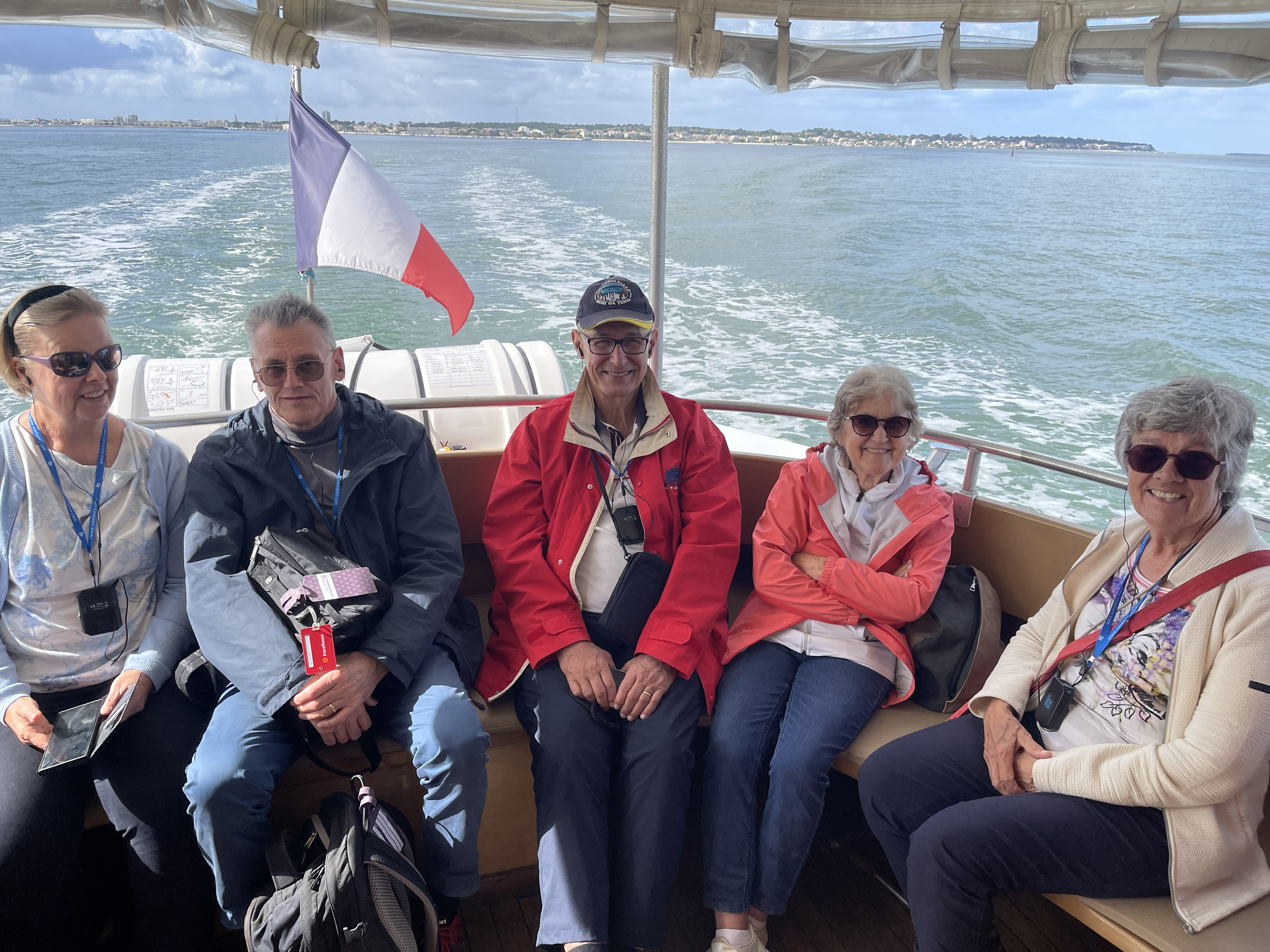
The VIP section at the stern of the ship
What do you think awaits us?
I'll take it as it comes...
A boat trip is fun
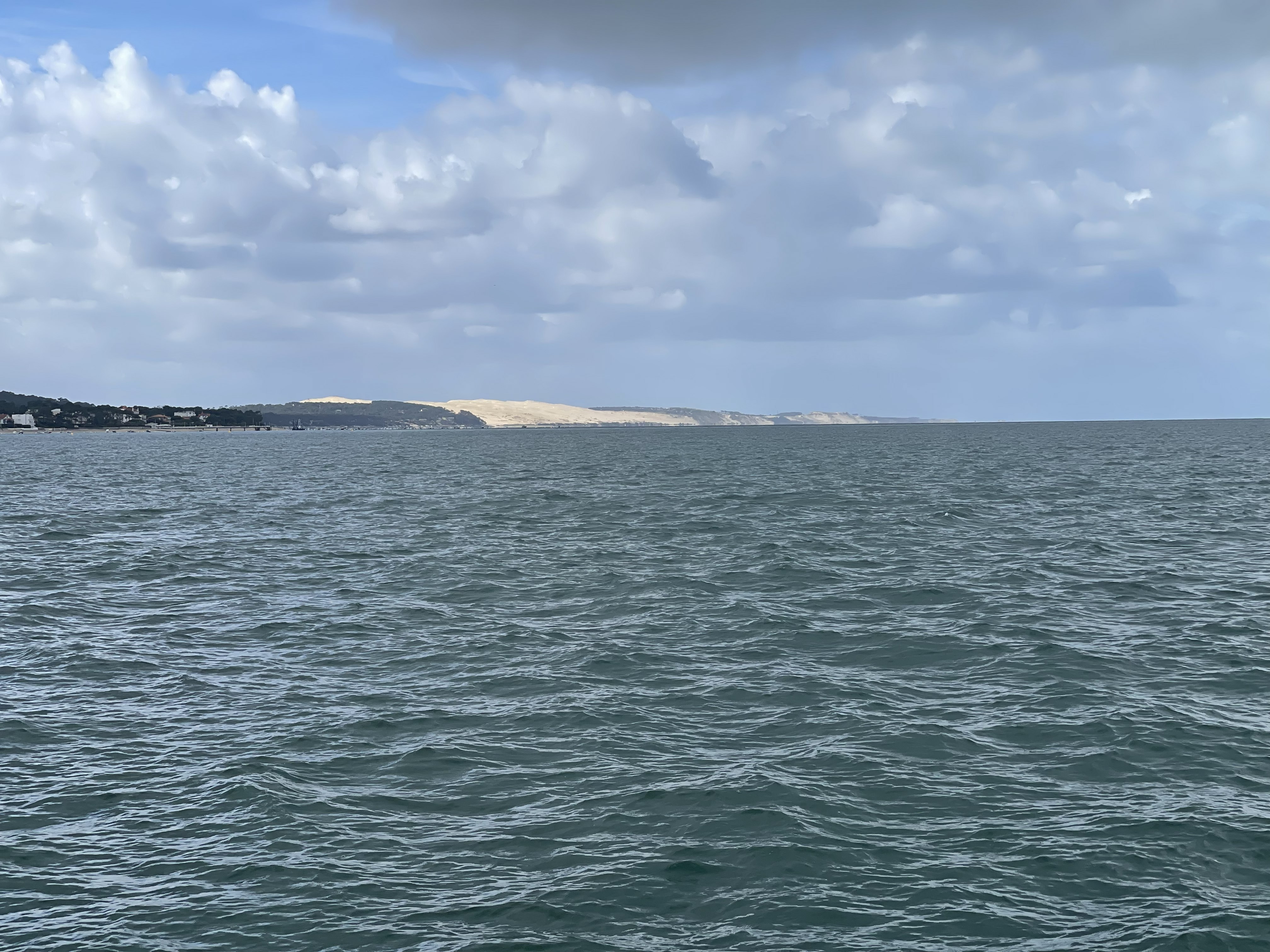
In the background the dune of Pilaz
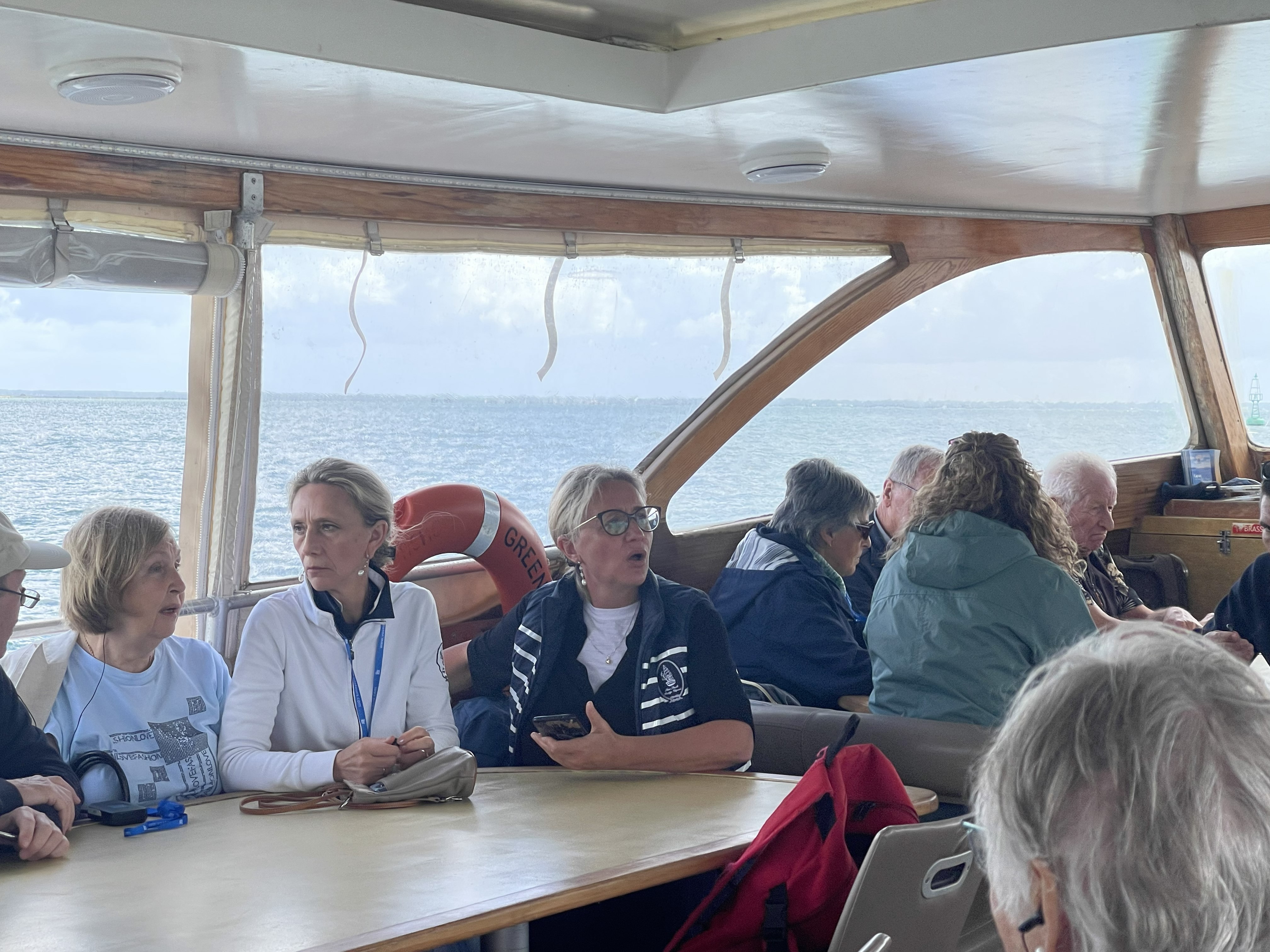
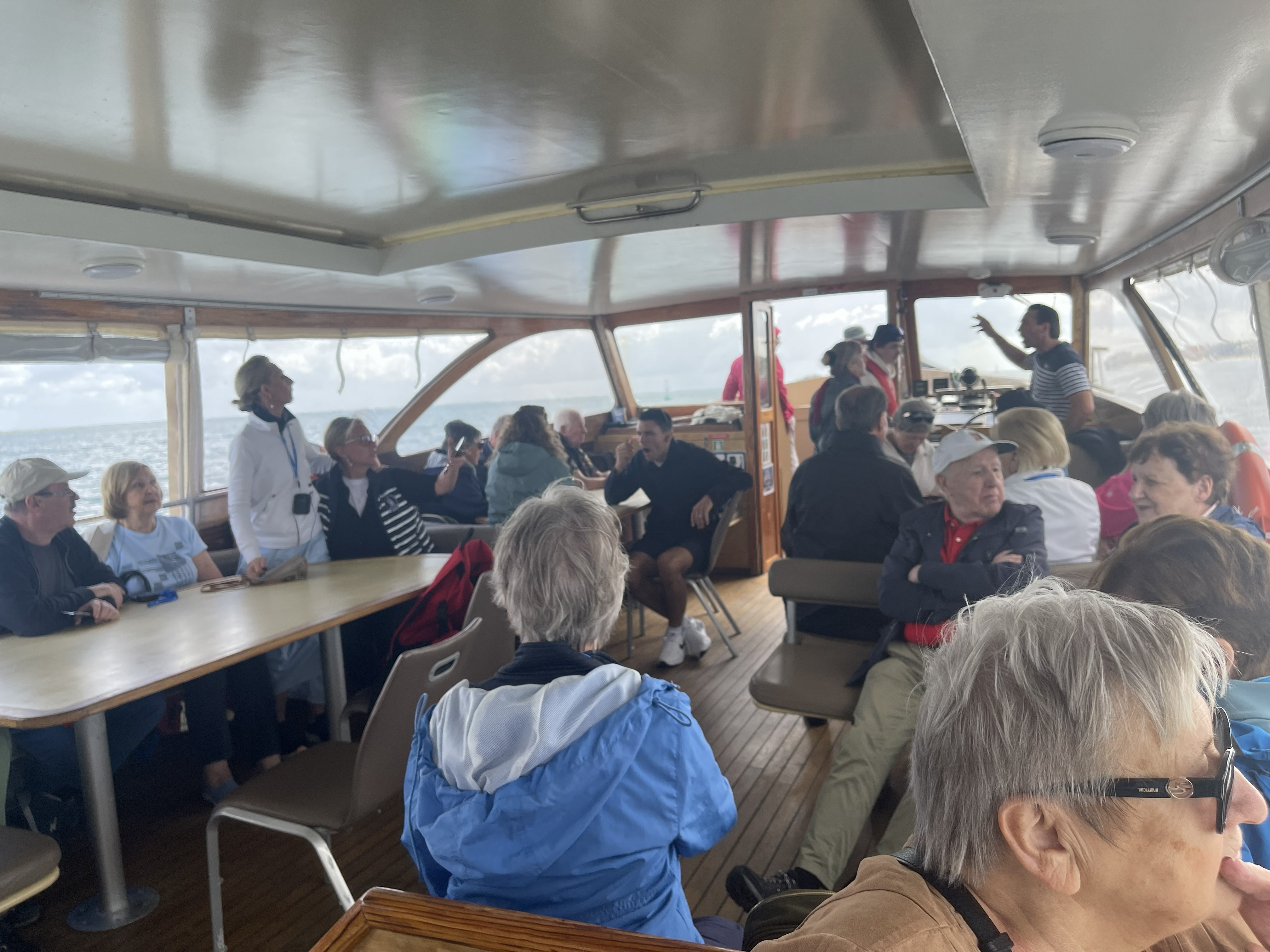
a boat trip is nice...
Where is the bird island now?
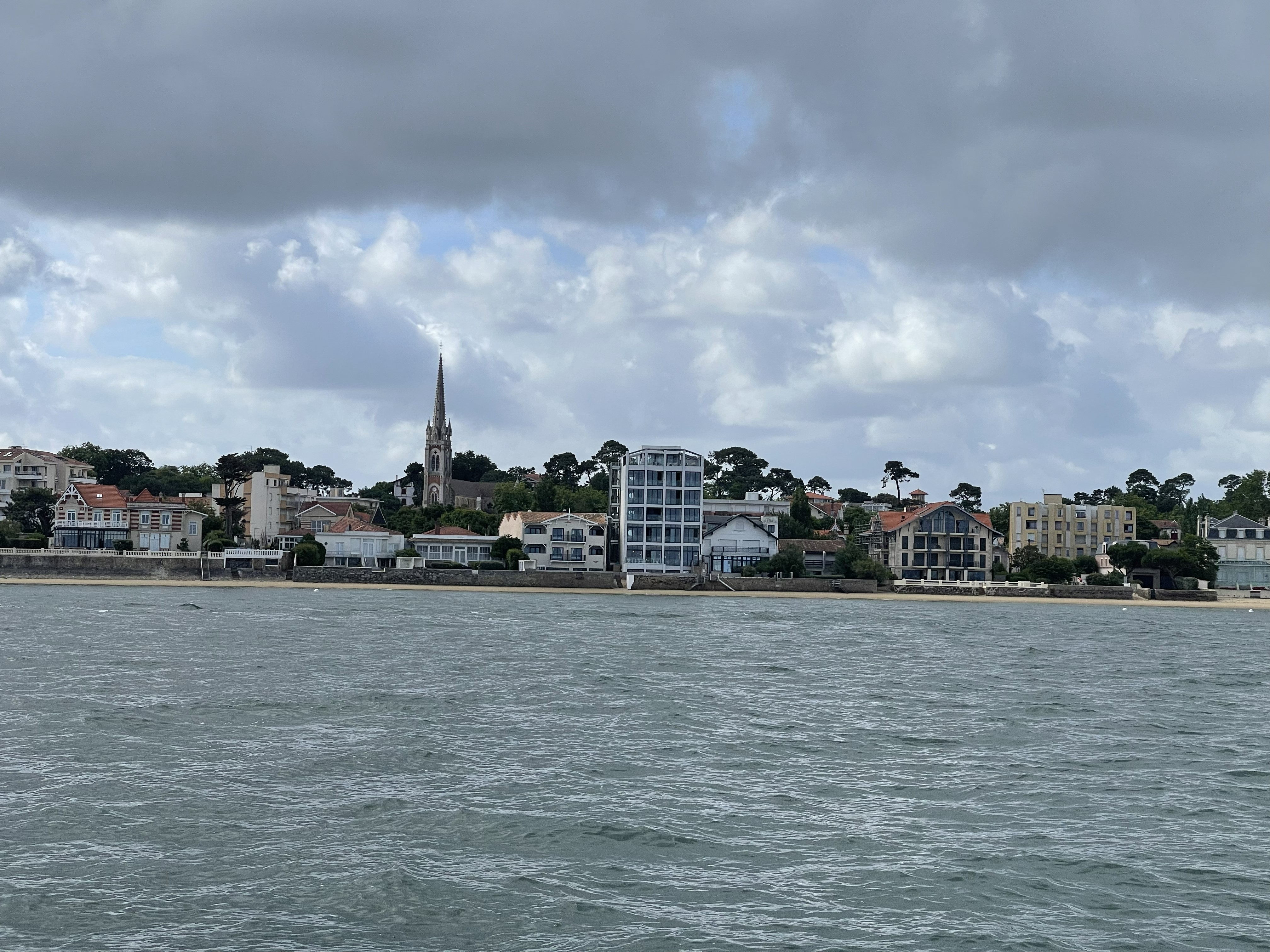
The Arcachon skyline
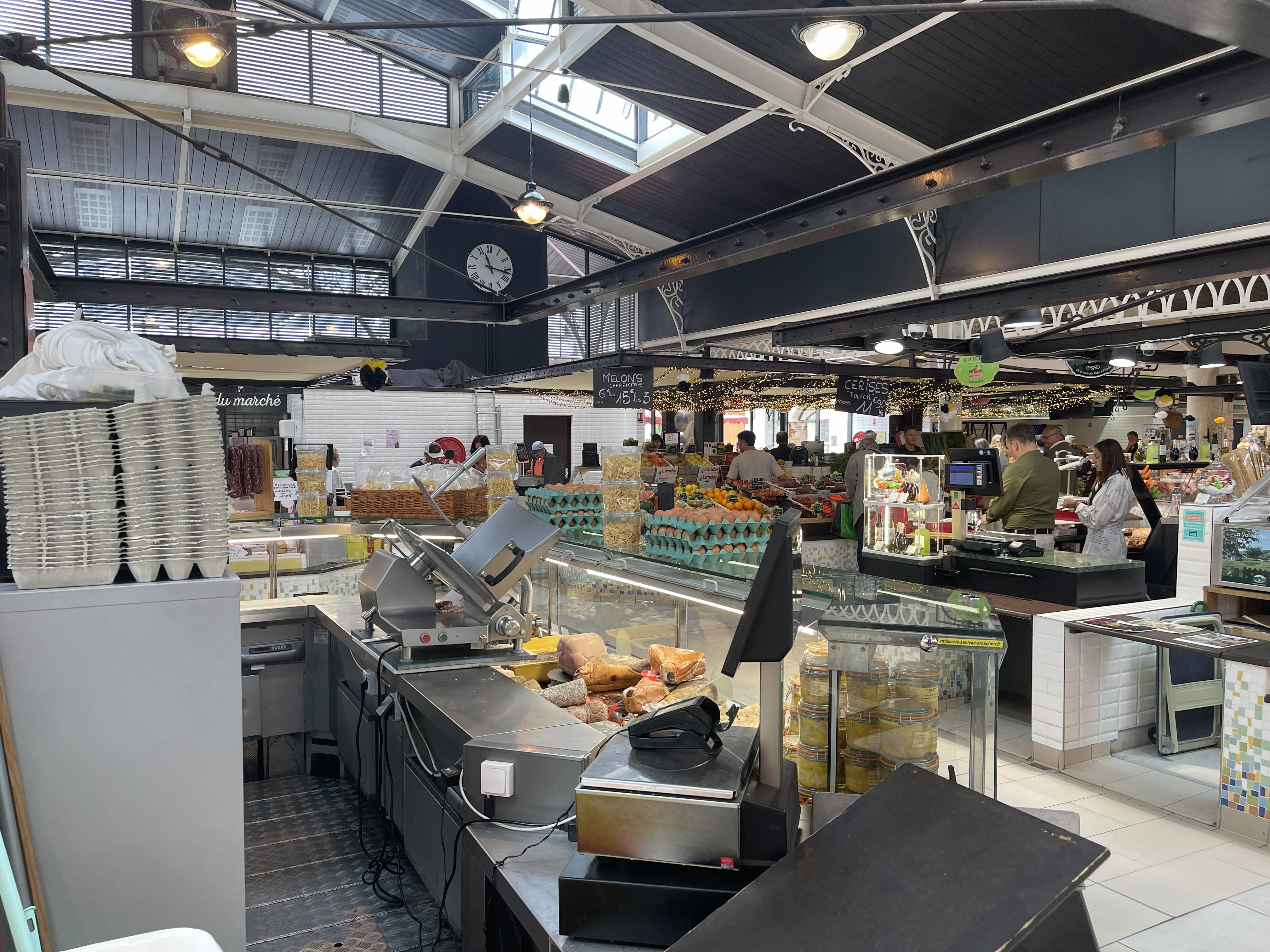
In the large market hall
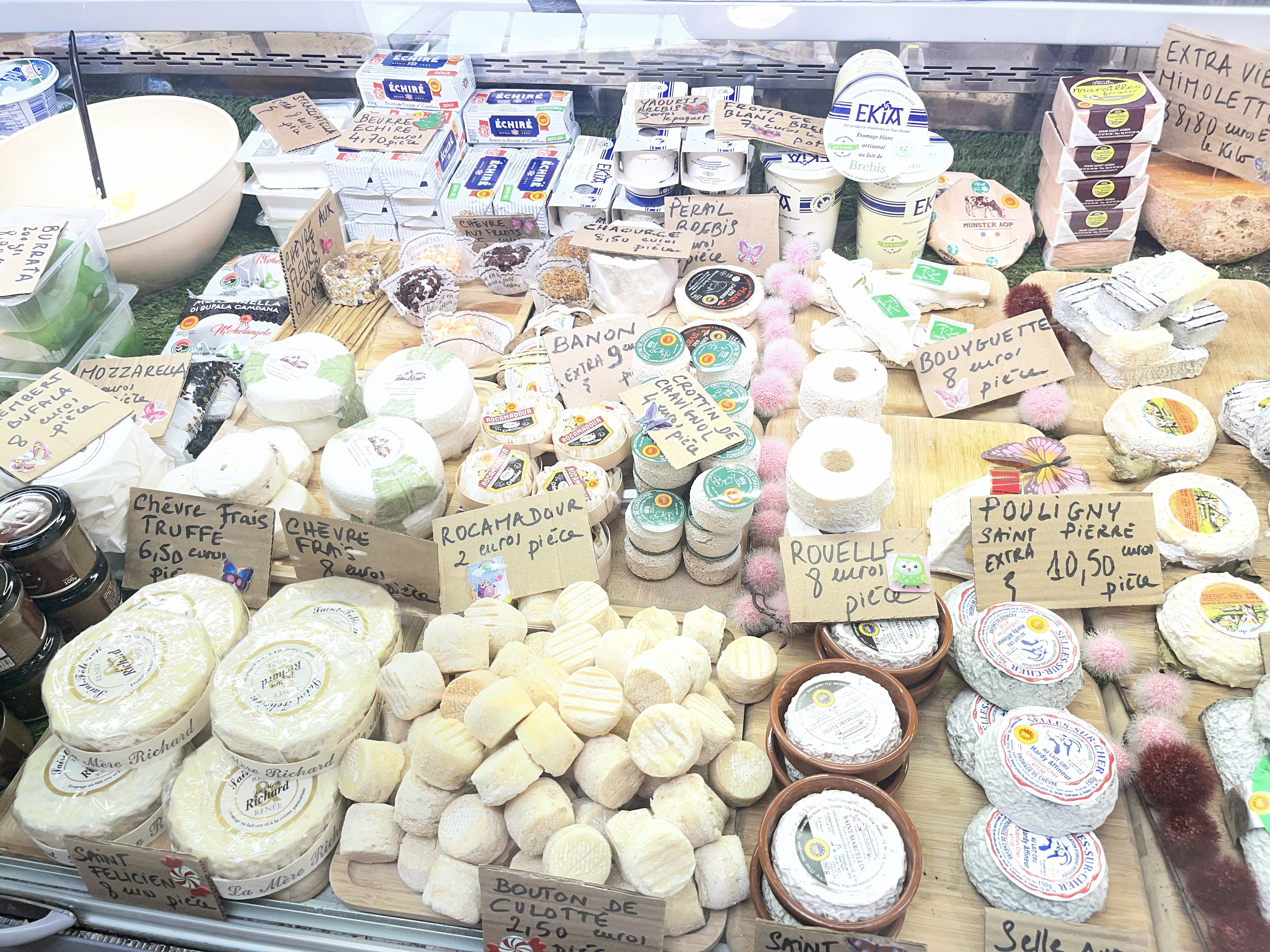
Soft cheese dream
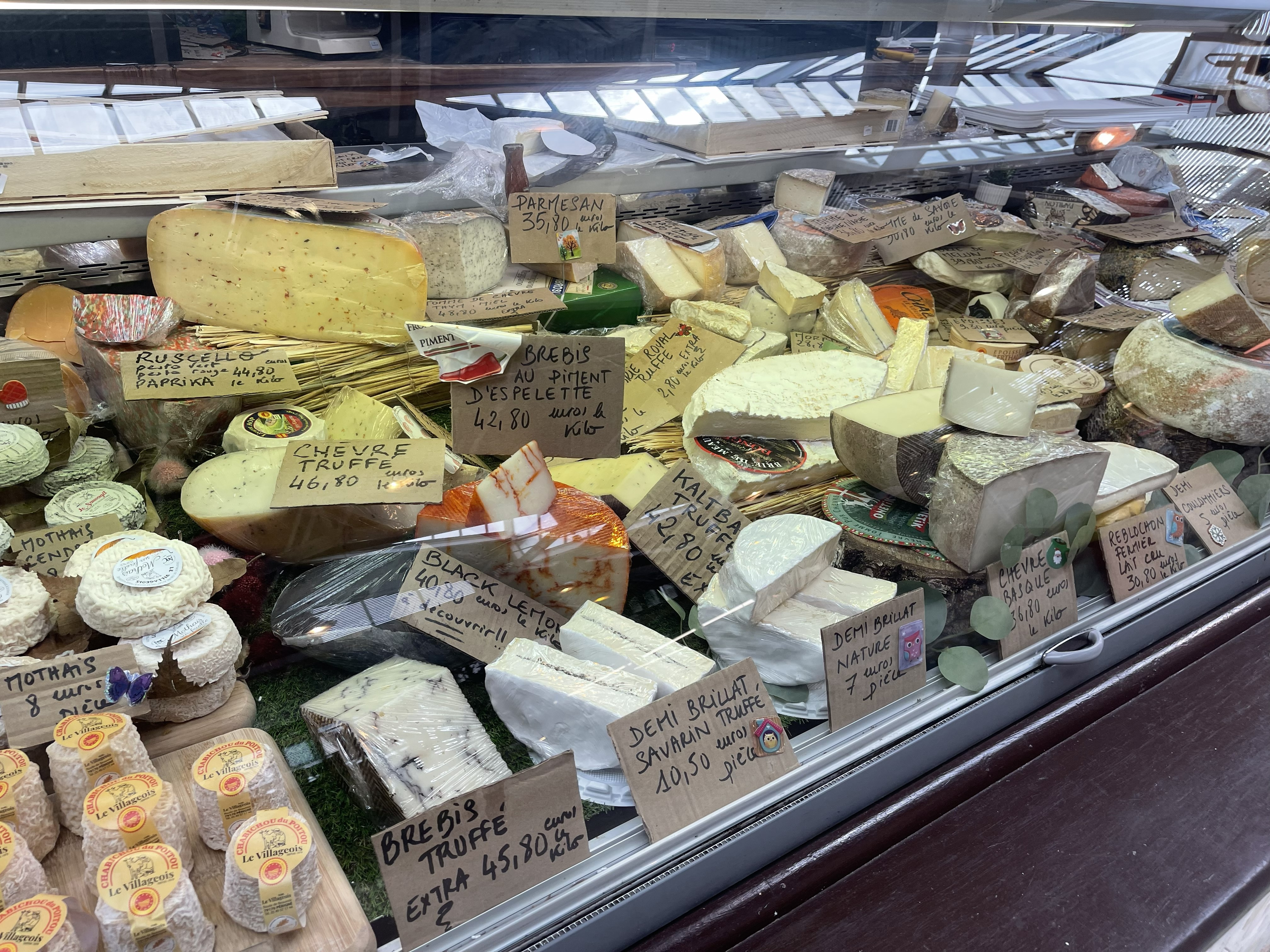
Hard cheese
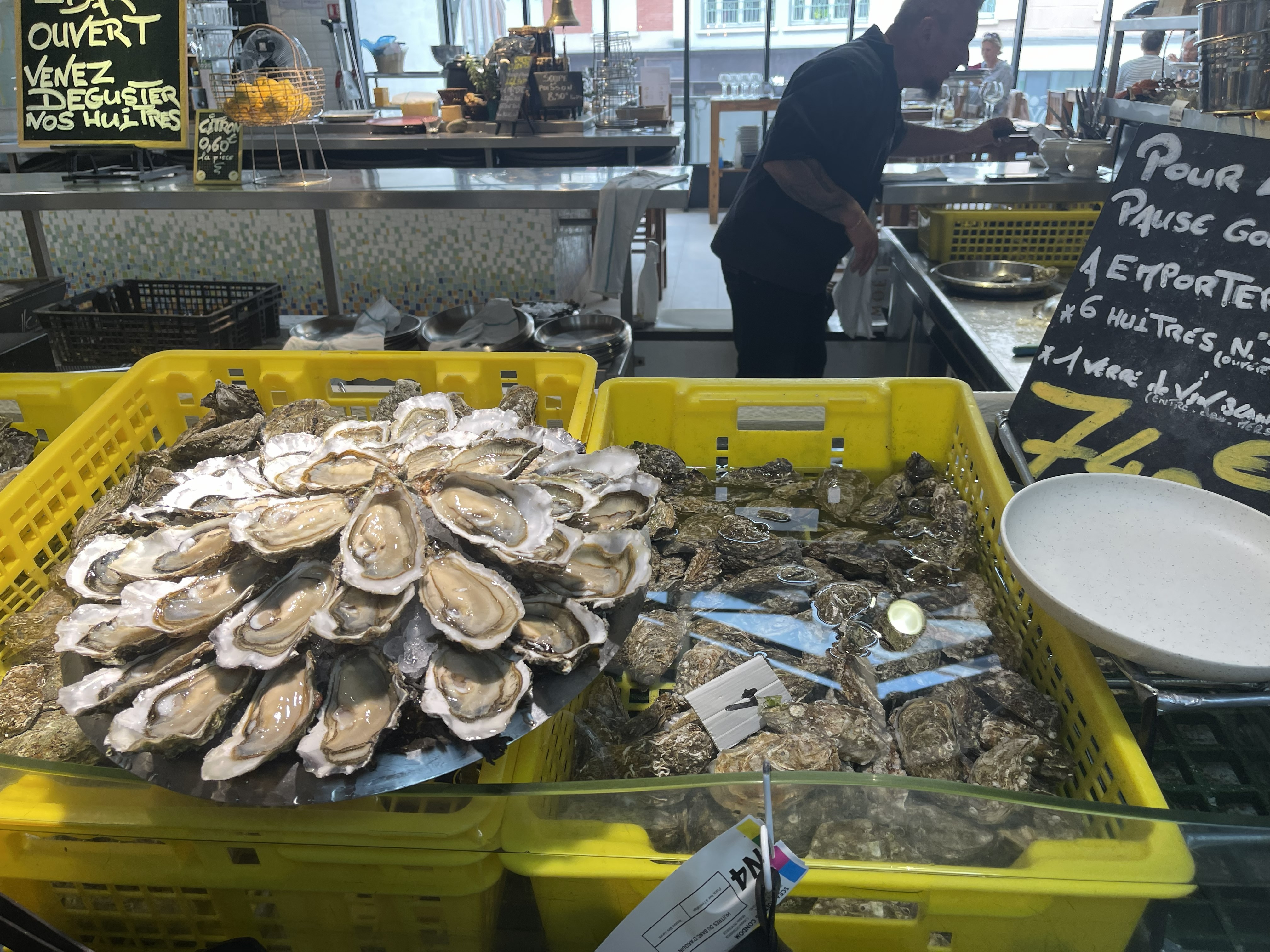
meaty oysters
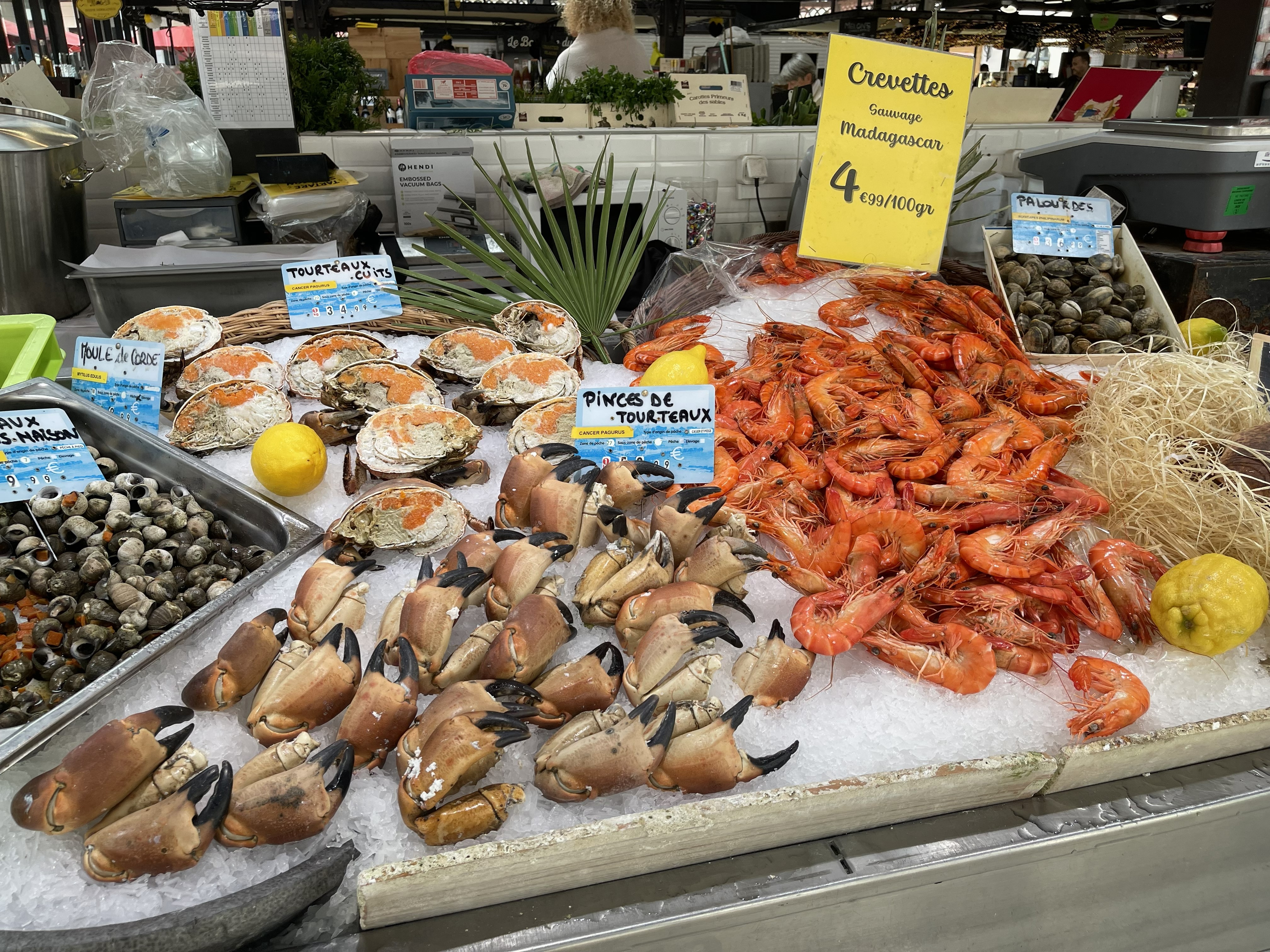
seafood
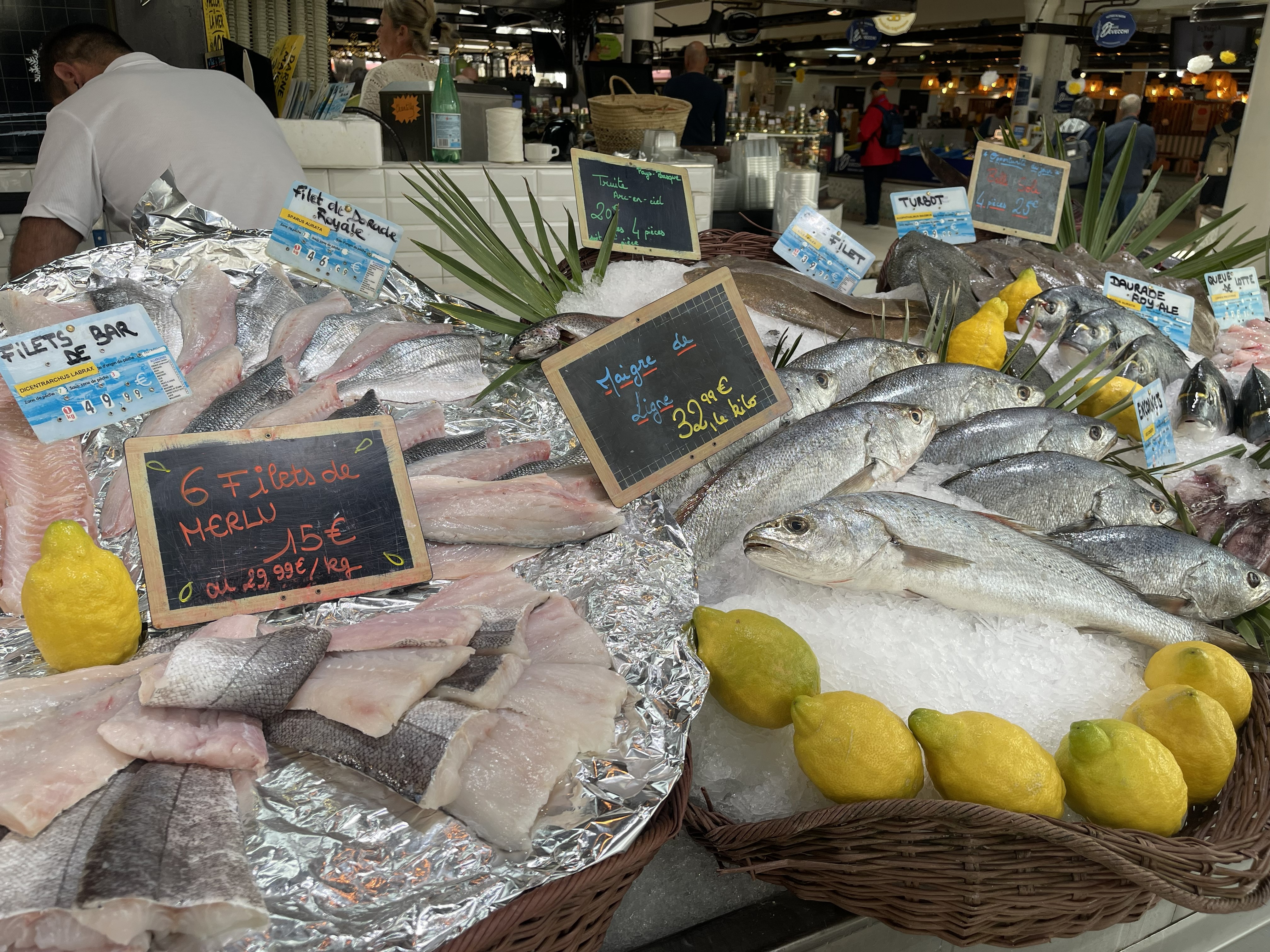
Freshness
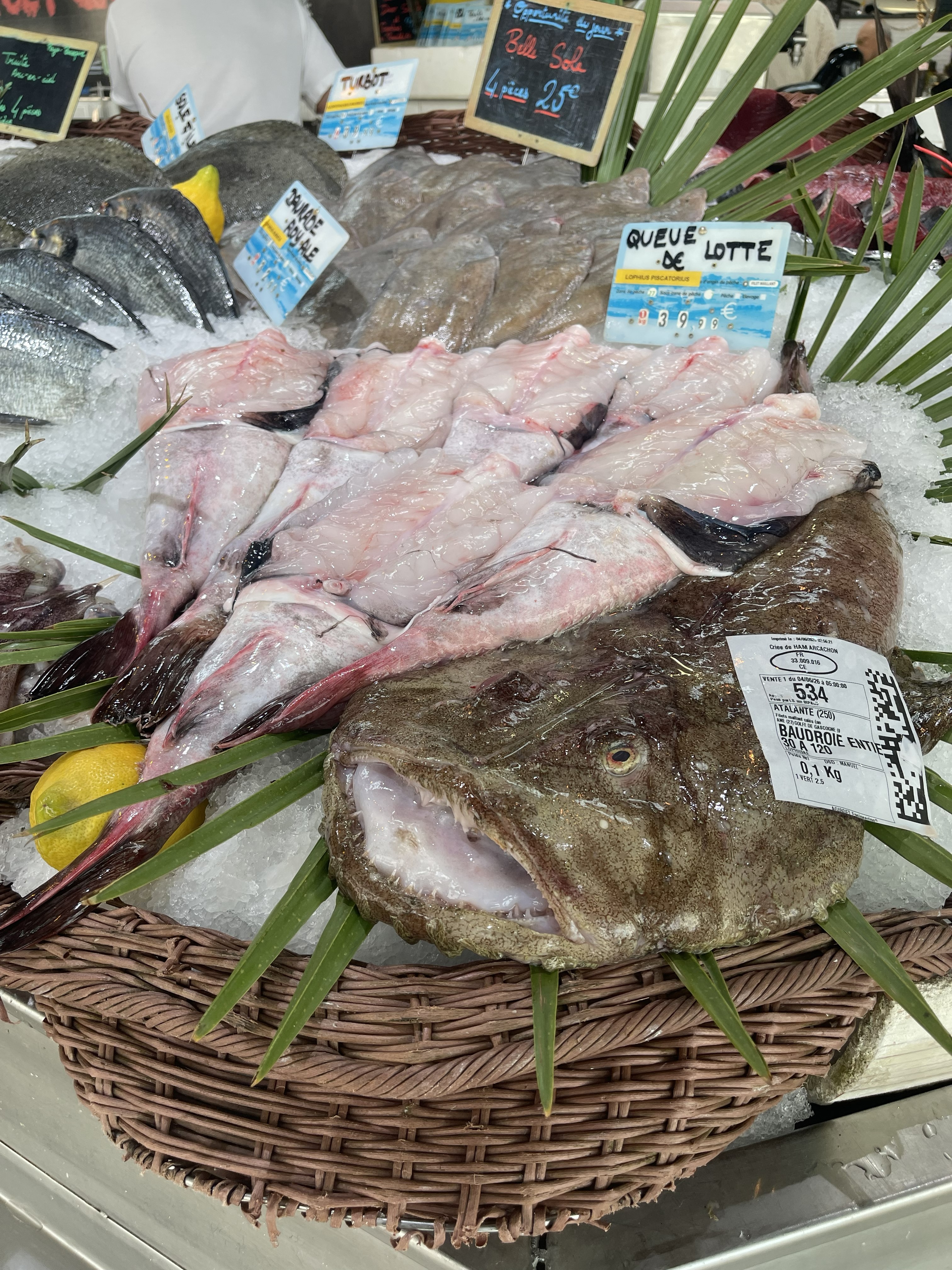
Fish
The oyster opener
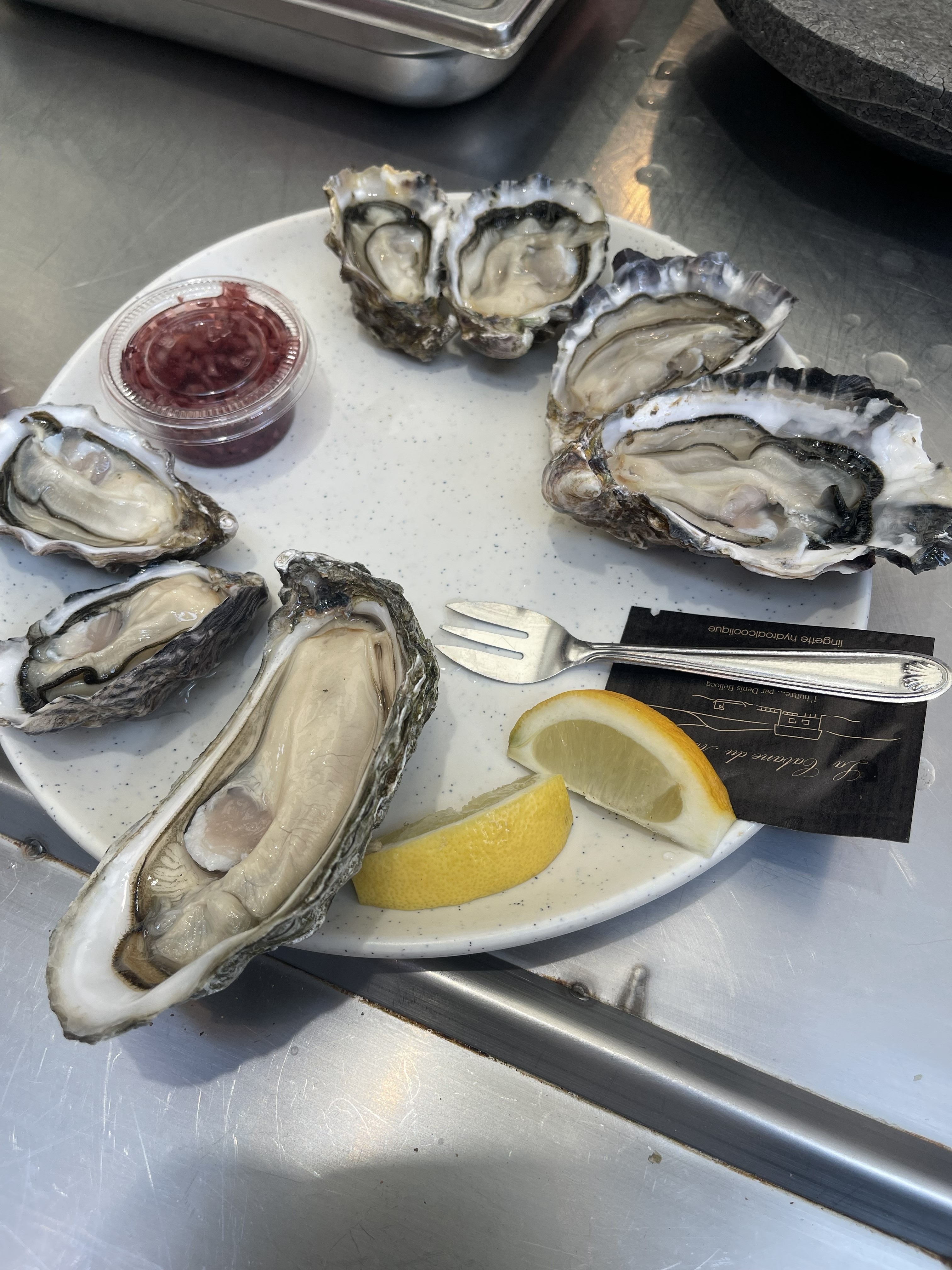
different qualities and sizes for 8 euros!
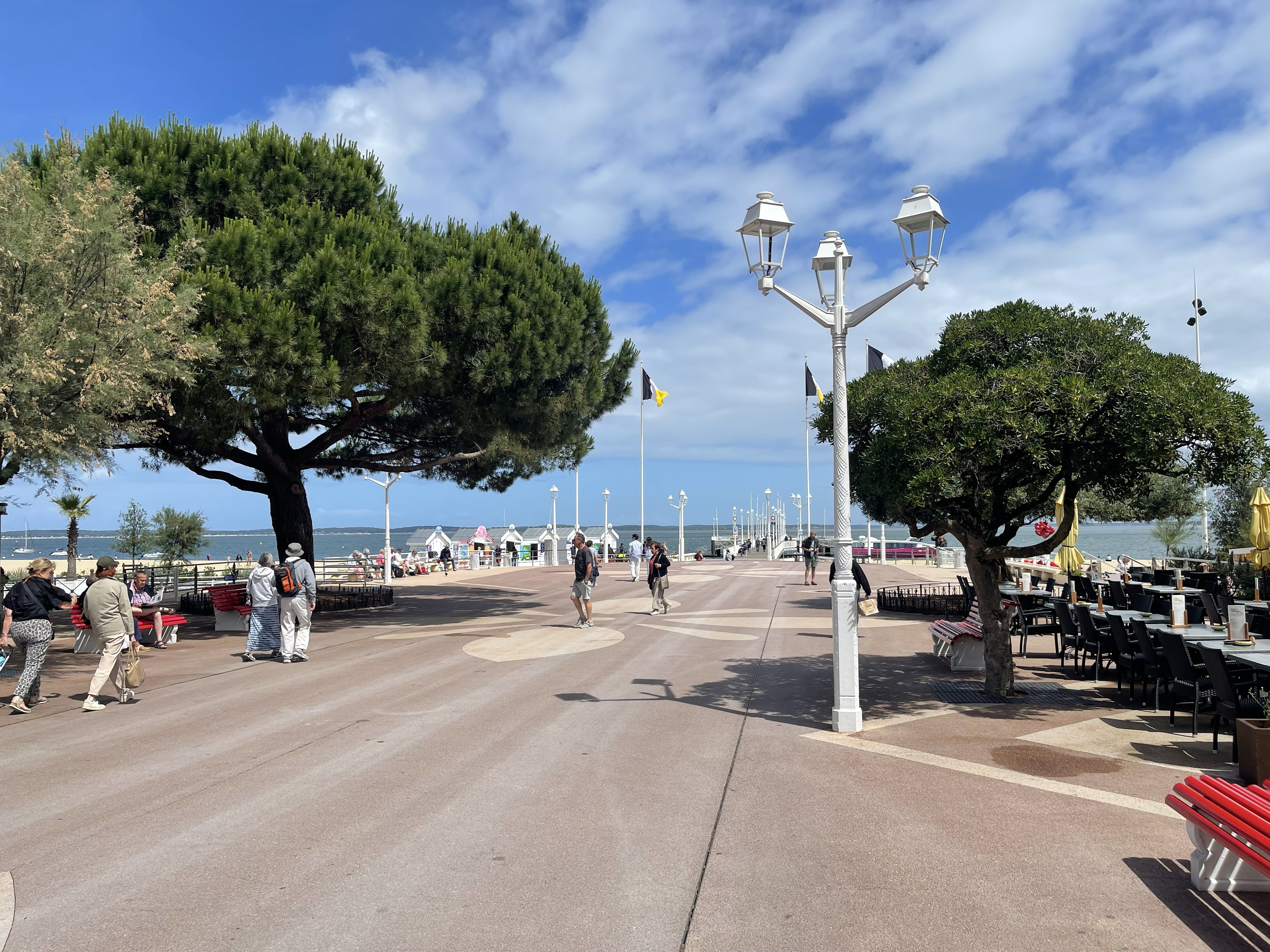
The beautiful seafront promenade of Arcachon
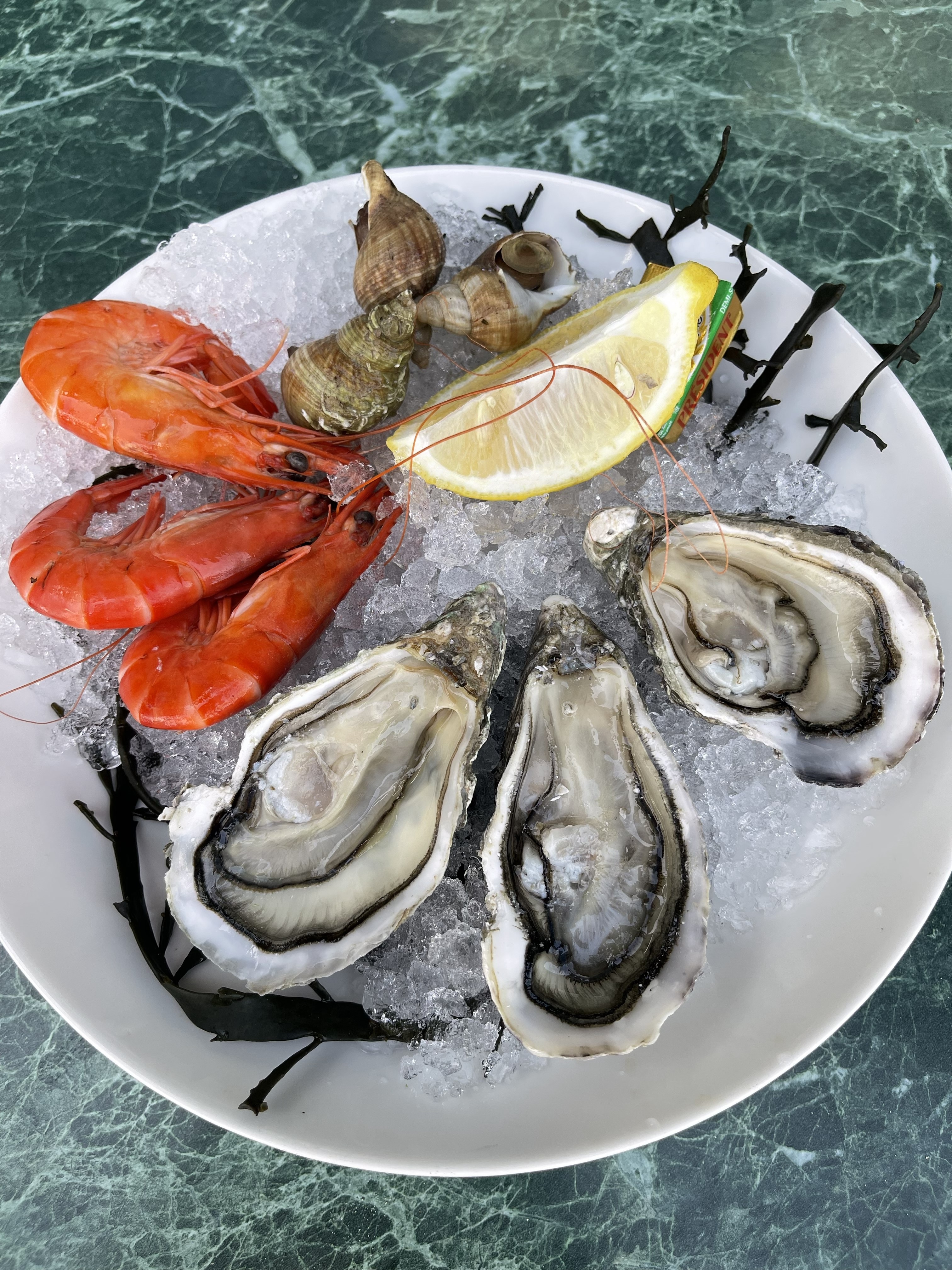
and seafood again for starters! Yummy
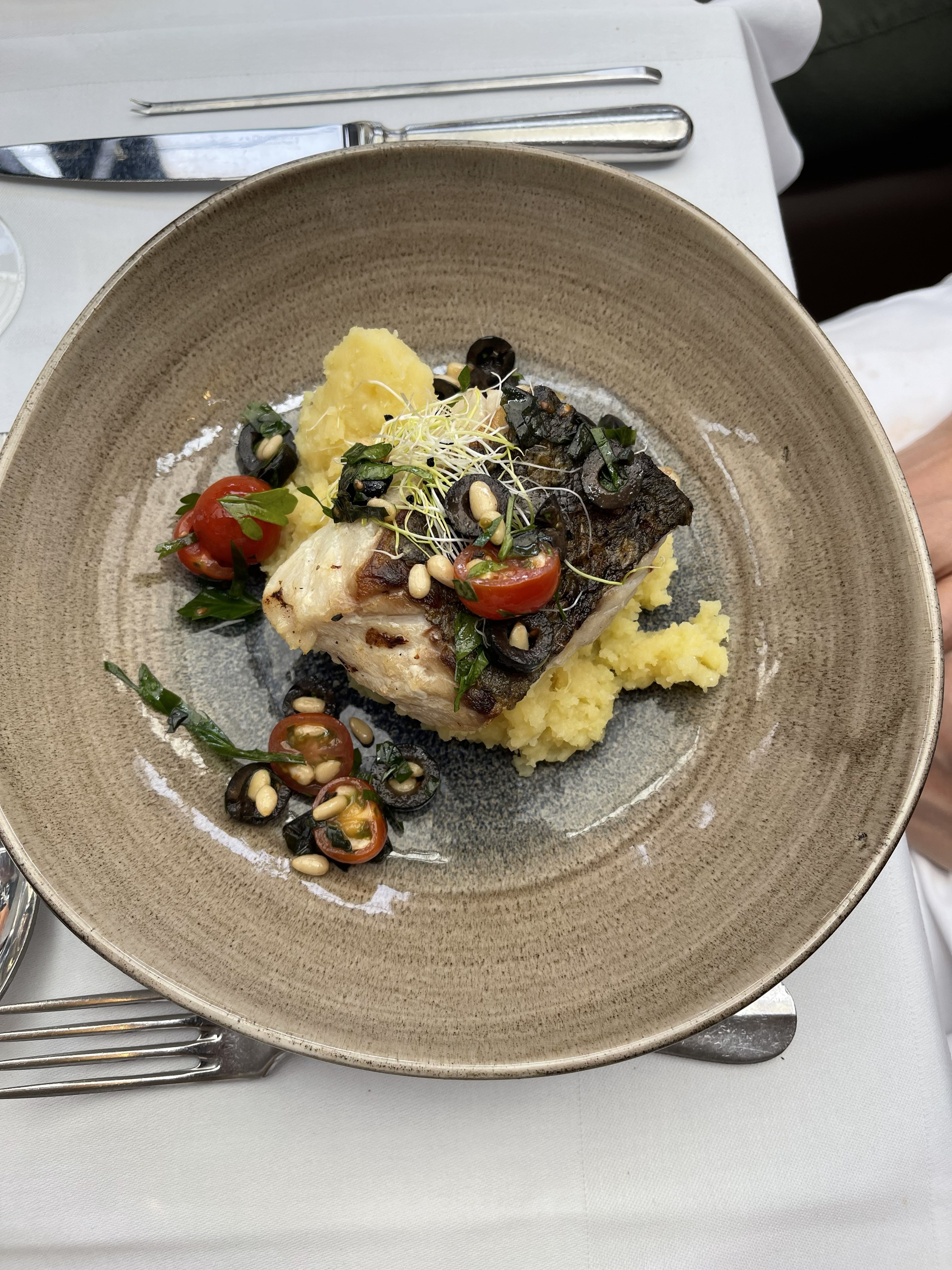
and fish for the main course
Up onto the dune with a full stomach
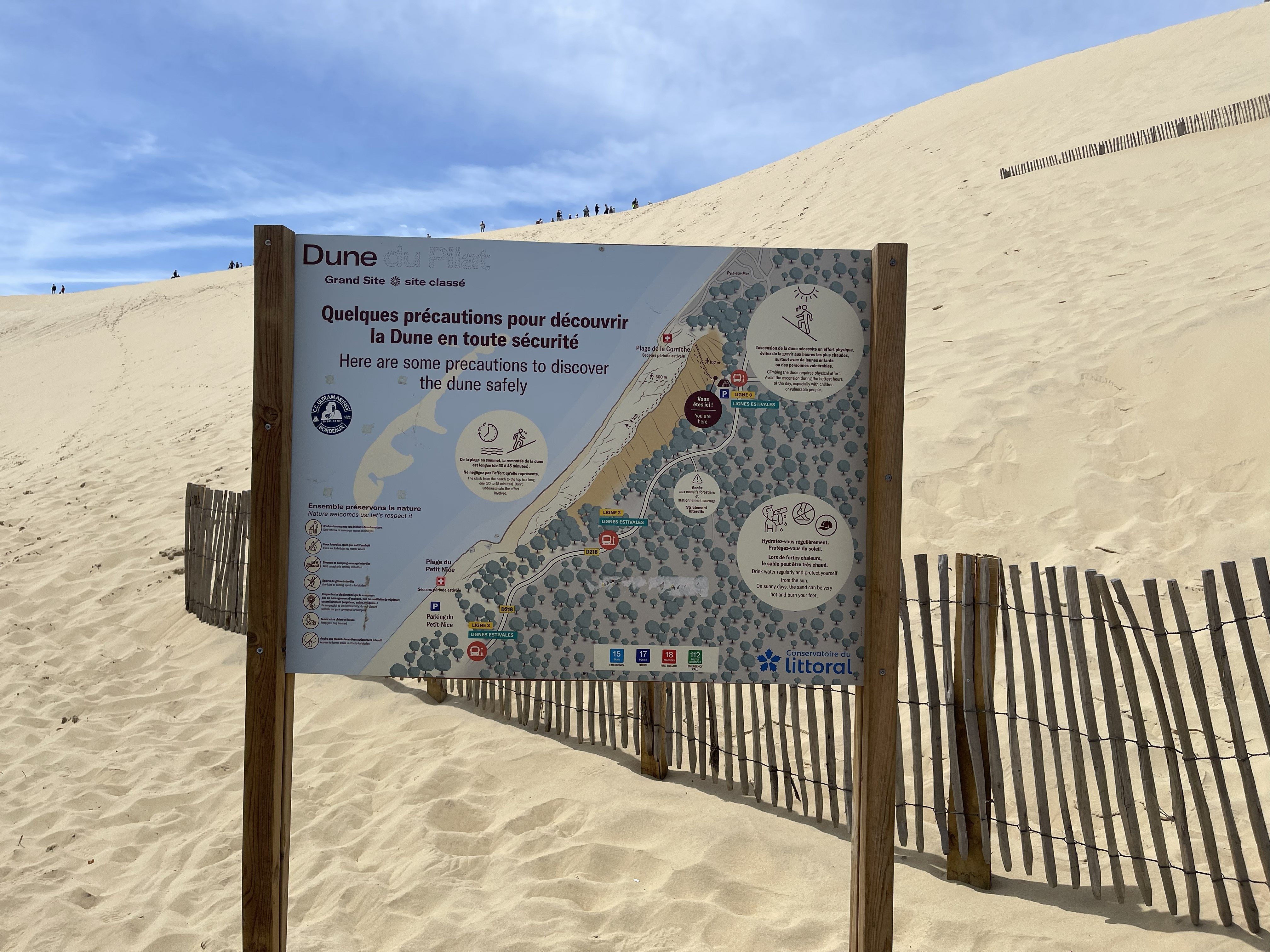
Site plan
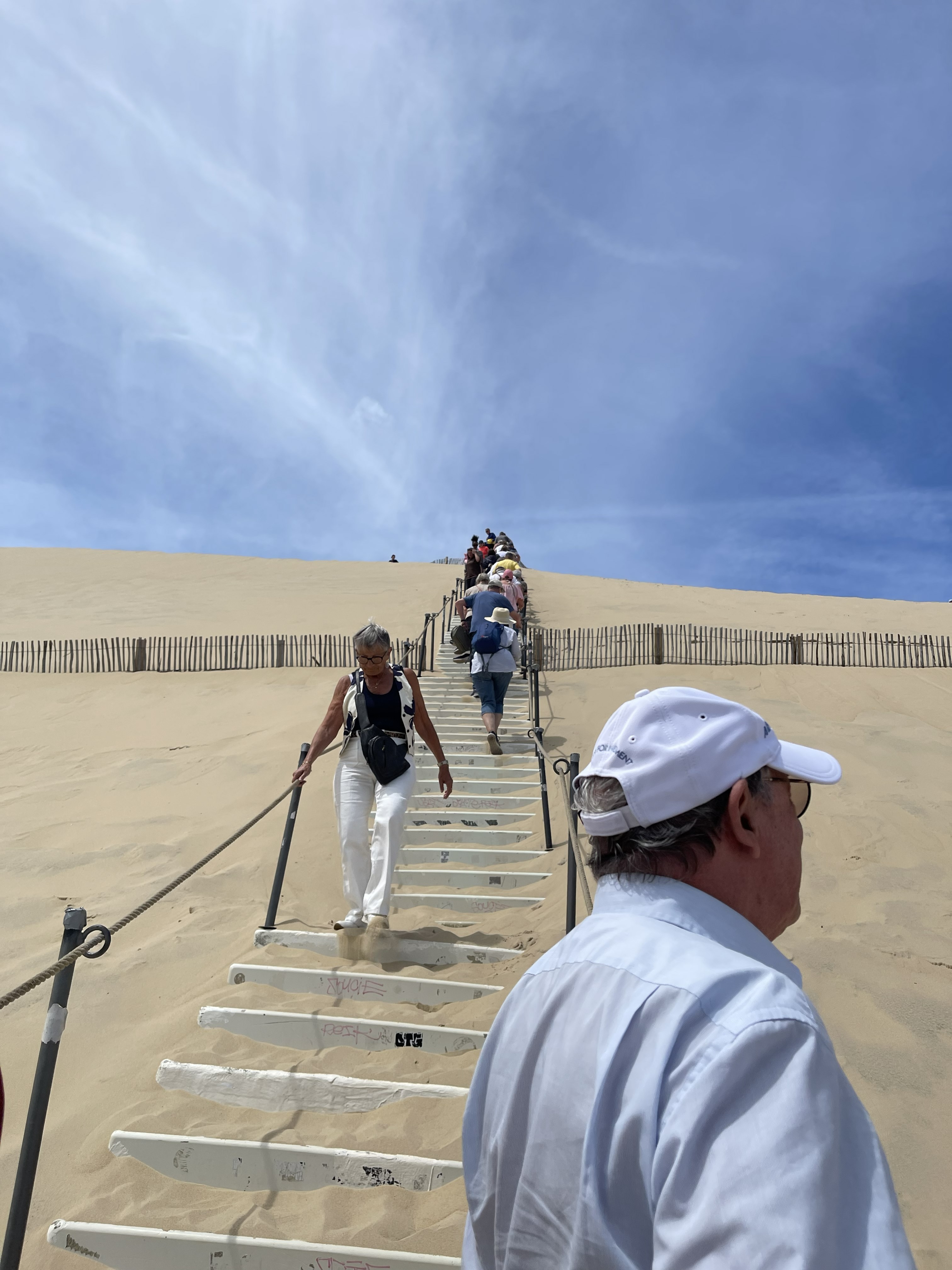
... and now go up
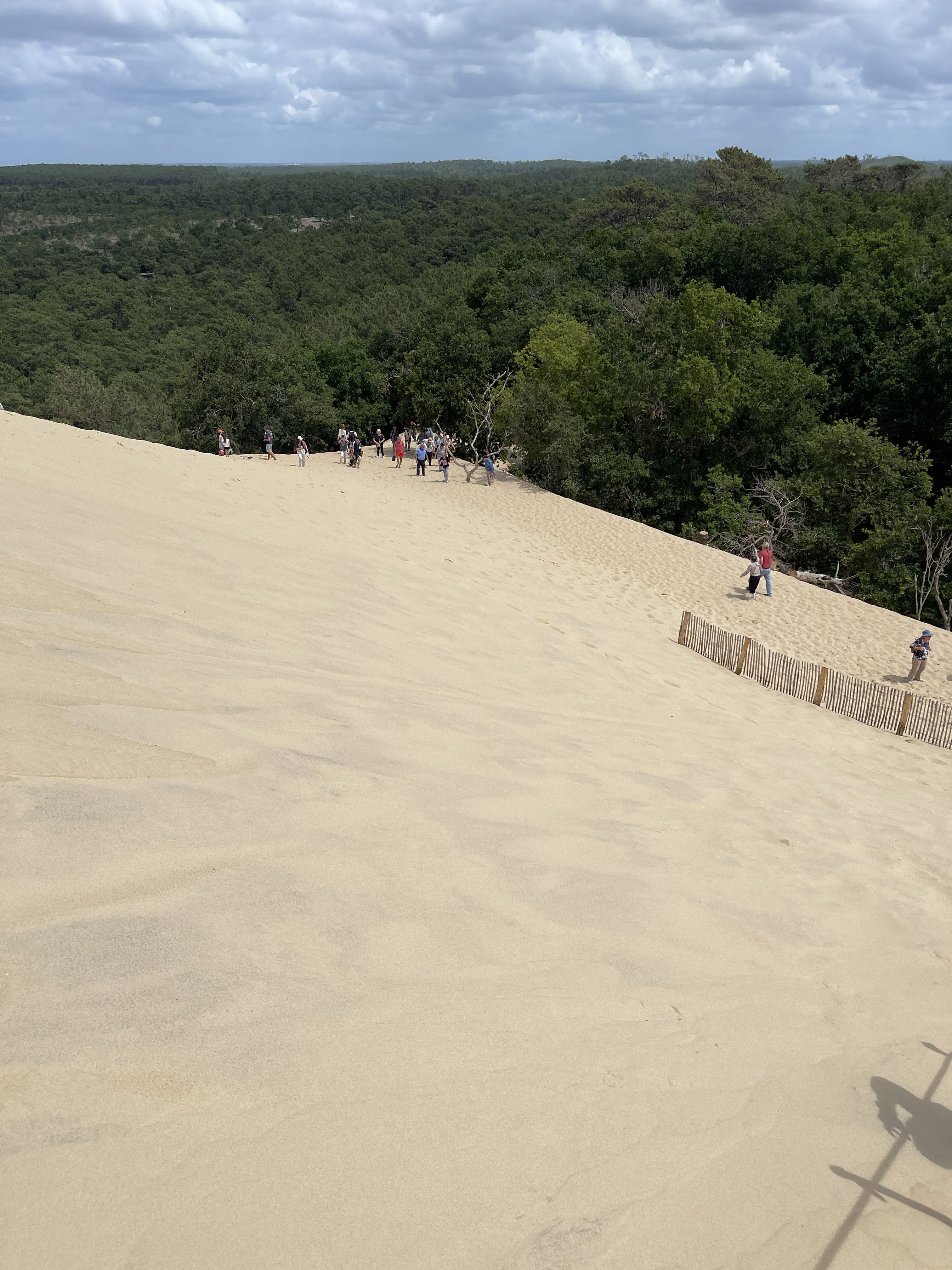
almost at the top
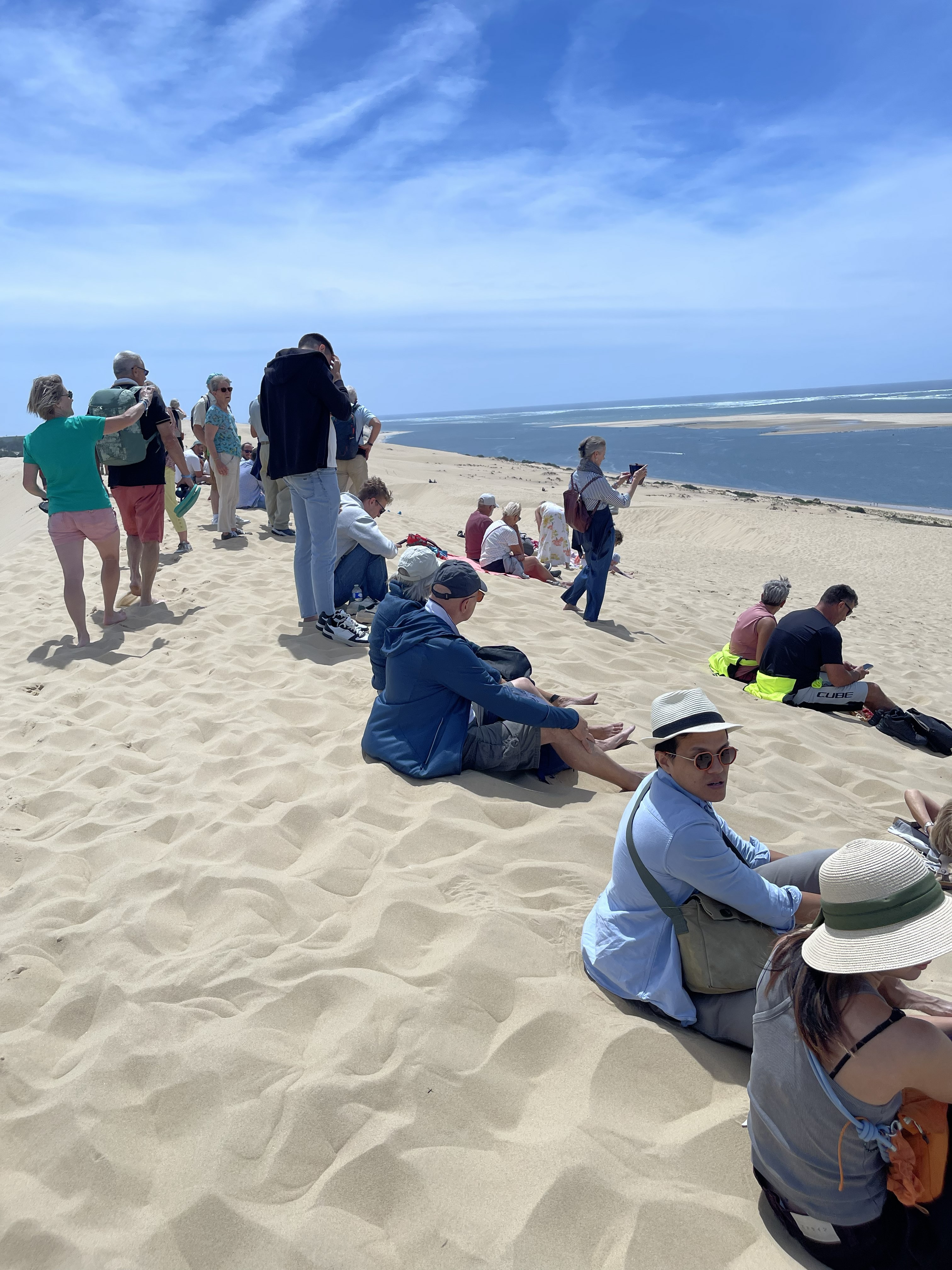
Deserved rest
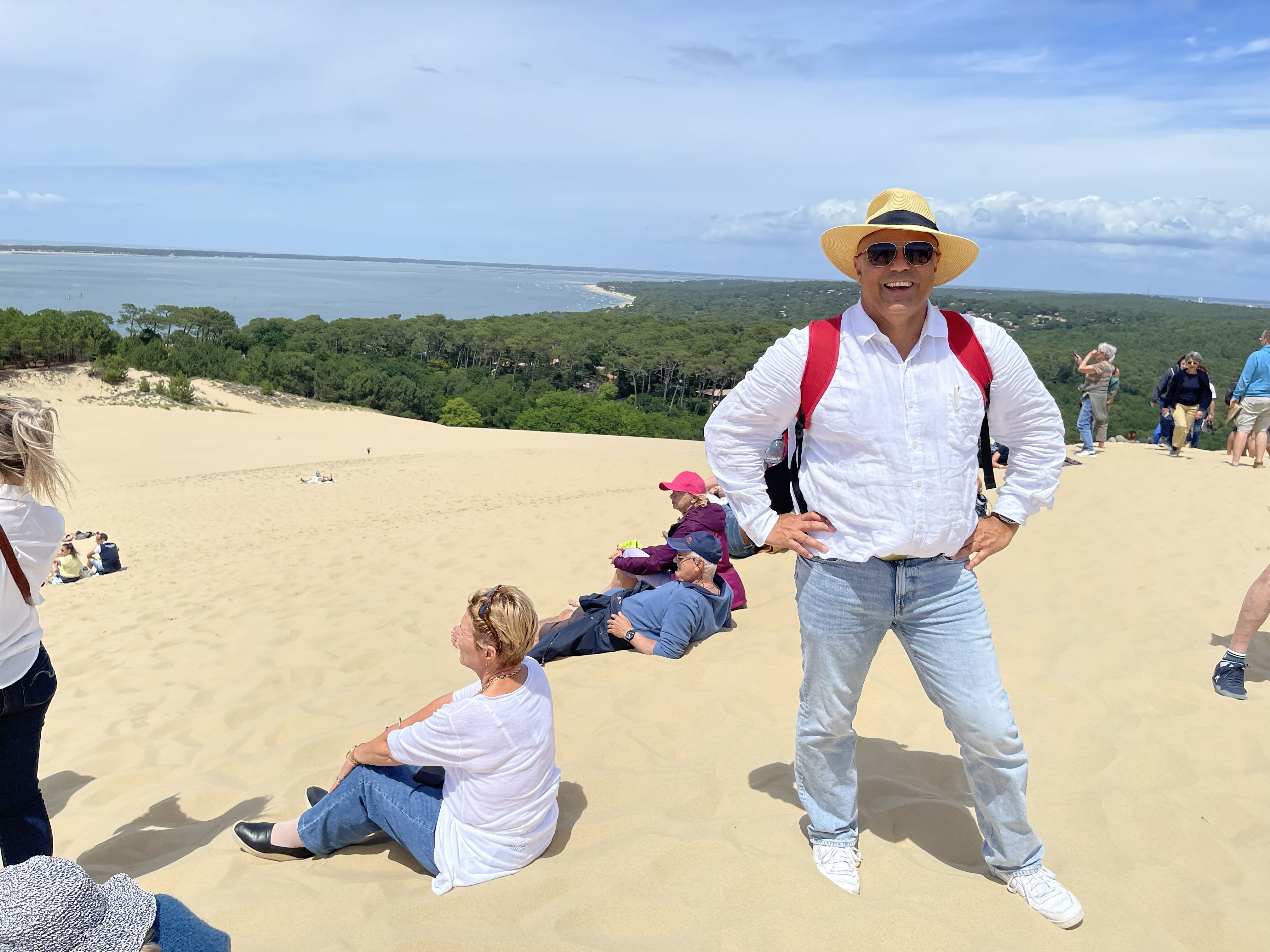
for me too
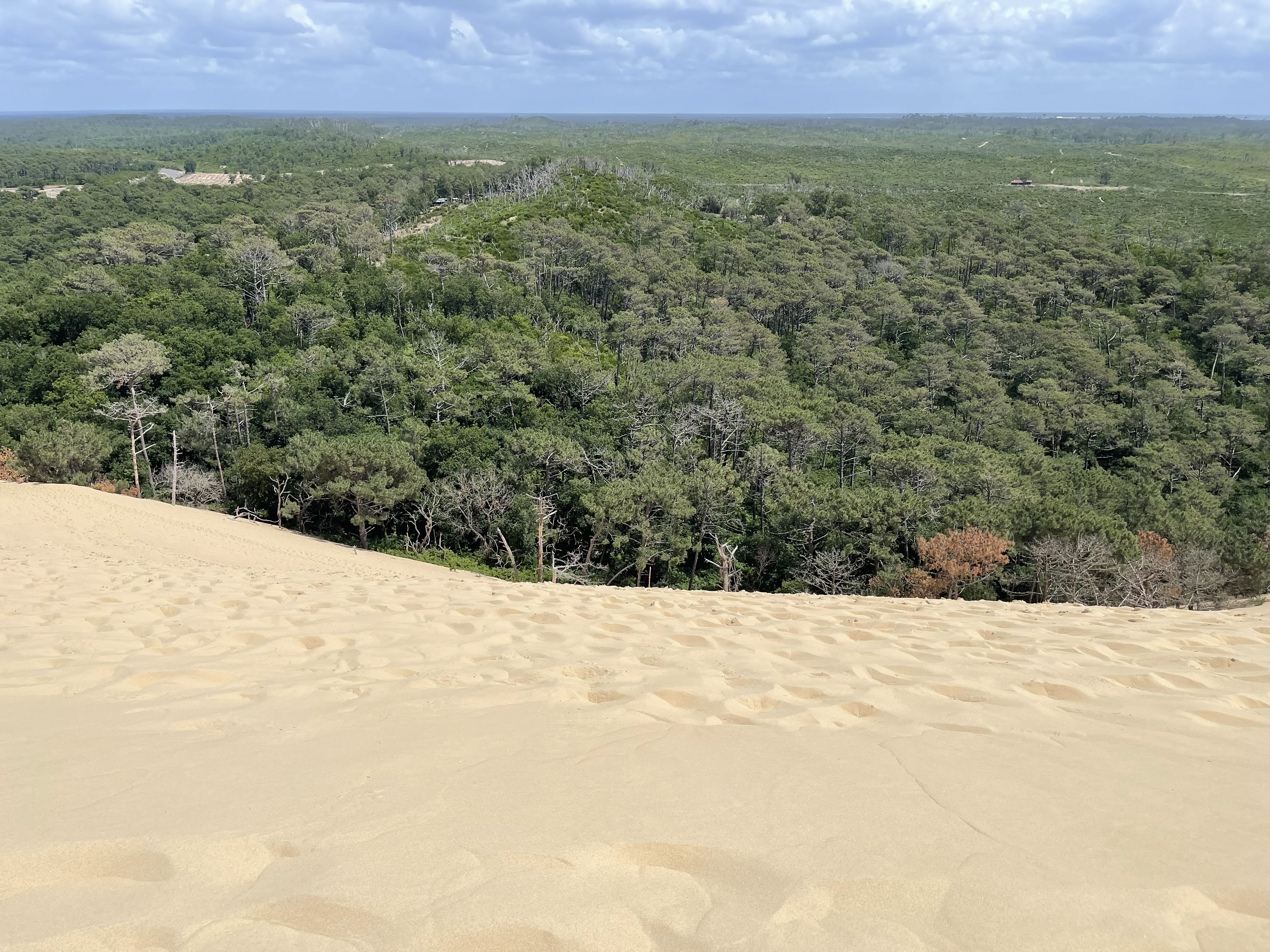
The pine forests behind the dune
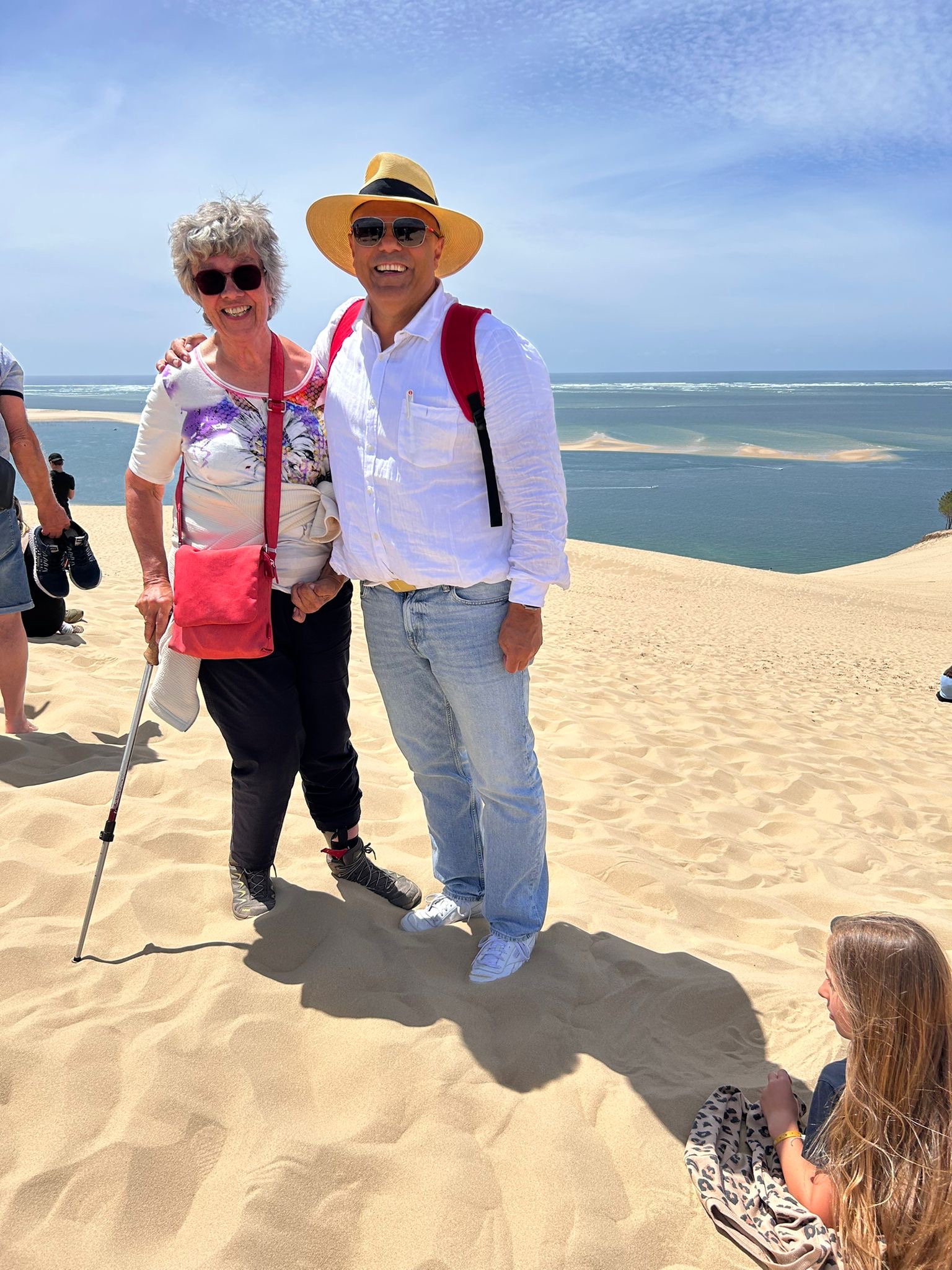
Great performance!
Farewell to the crew during dinner.
Day 7 - Bordeaux on your own and return to Switzerland
We received the instructions for departure the evening before. In a disciplined manner, all guests placed their suitcases in the hallway by 8 a.m. Afterwards there was still time for a final breakfast on board.
Latest discoveries in Bordeaux
At 9 a.m. everyone met in the large lounge. The suitcases were already lined up neatly there and I took on the task of supervising both the luggage and the hand luggage during the morning. The guests were able to use the remaining time to discover Bordeaux on their own one last time.
The three hours passed surprisingly quickly. The transfer to the airport was ready at 12.15 p.m. Before we got on the bus, all guests had to clearly identify their luggage again - an important routine for group travel.
The drive to the airport took less than 30 minutes, so we arrived there early. I had already completed the check-in online 24 hours in advance for most guests. At Bordeaux airport, however, this only has limited advantages: although the seats were already reserved, we still had to queue as usual. The time gained was practically zero.
The security check was also uncomplicated, but only consisted of a single line, which meant a waiting time. After the inspection, the infrastructure was rather modest - only a small take-away shop was available for drinks and food.
Unfortunately, the return flight was also delayed by around an hour before we could finally take off for Zurich.
I said goodbye to the guests in Bordeaux, as experience has shown that arrival in Zurich is often characterized by picking up your suitcase, making train connections or organizing pick-up, and things usually go quickly there.
Und tatsächlich: Auch in Zürich warteten wir noch gefühlte 20 Minuten auf das Gepäck. Afterwards, our paths quickly parted ways - each and every one of us made our way home, and an intense and eventful journey came to an end.
Conclusion of an intensive river trip
For me personally it was the first trip on the Cyrano de Bergerac along the Gironde, Dordogne and Garonne rivers. The route has been chosen excellently - there is hardly anything more possible here. The large river ships reach natural geographical limits; they simply cannot go any further up or downstream.
The excursions offered were consistently interesting and varied. Only the boat trip in Arcachon didn't convince me personally. If you look at the program again you'll notice how many Activities we experienced in these 7 days.
The excursions also showed that longer walks can be quite challenging for some guests. However, thanks to my role as a travel companion, I was always able to react flexibly, slow down and take care of those who wanted to take things a little easier. Instead of dry years, there was more coffee - and that's exactly what made it more relaxed and personal for many.
Overall it was a very warm, pleasant and harmonious group of guests. I will fondly remember this trip and the many encounters.
I will accompany this trip again from September 8th to 14th, 2026. I'm excited to see what additional experiences I can bring to the table.
As the saying goes: you often meet twice in life.
With this in mind, I wish everyone many more wonderful travel experiences - and I would be happy if you also subscribe to my newsletter so that you are always up to date with what "DERREISELEITER" is currently up to.
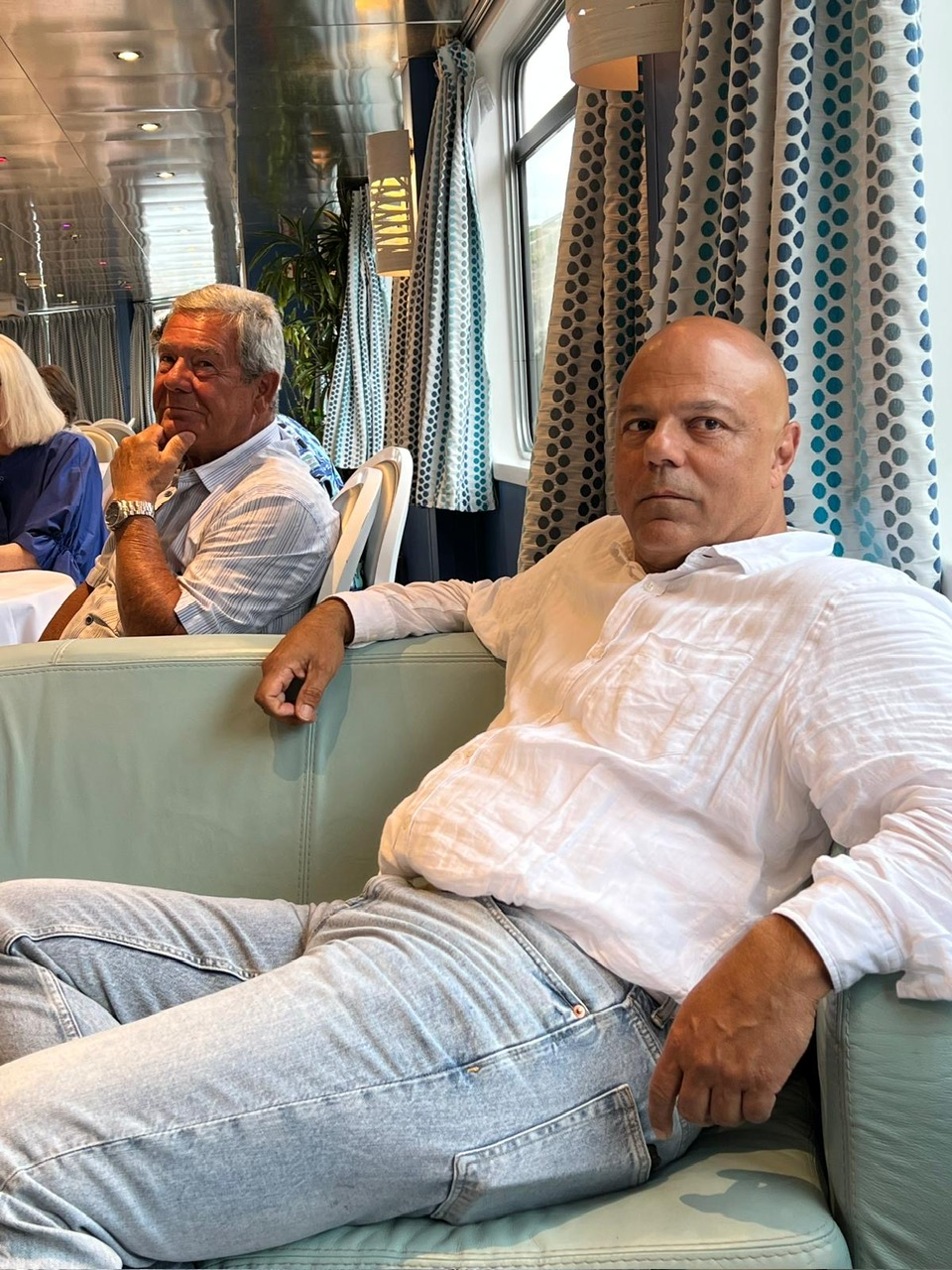
Guard suitcases
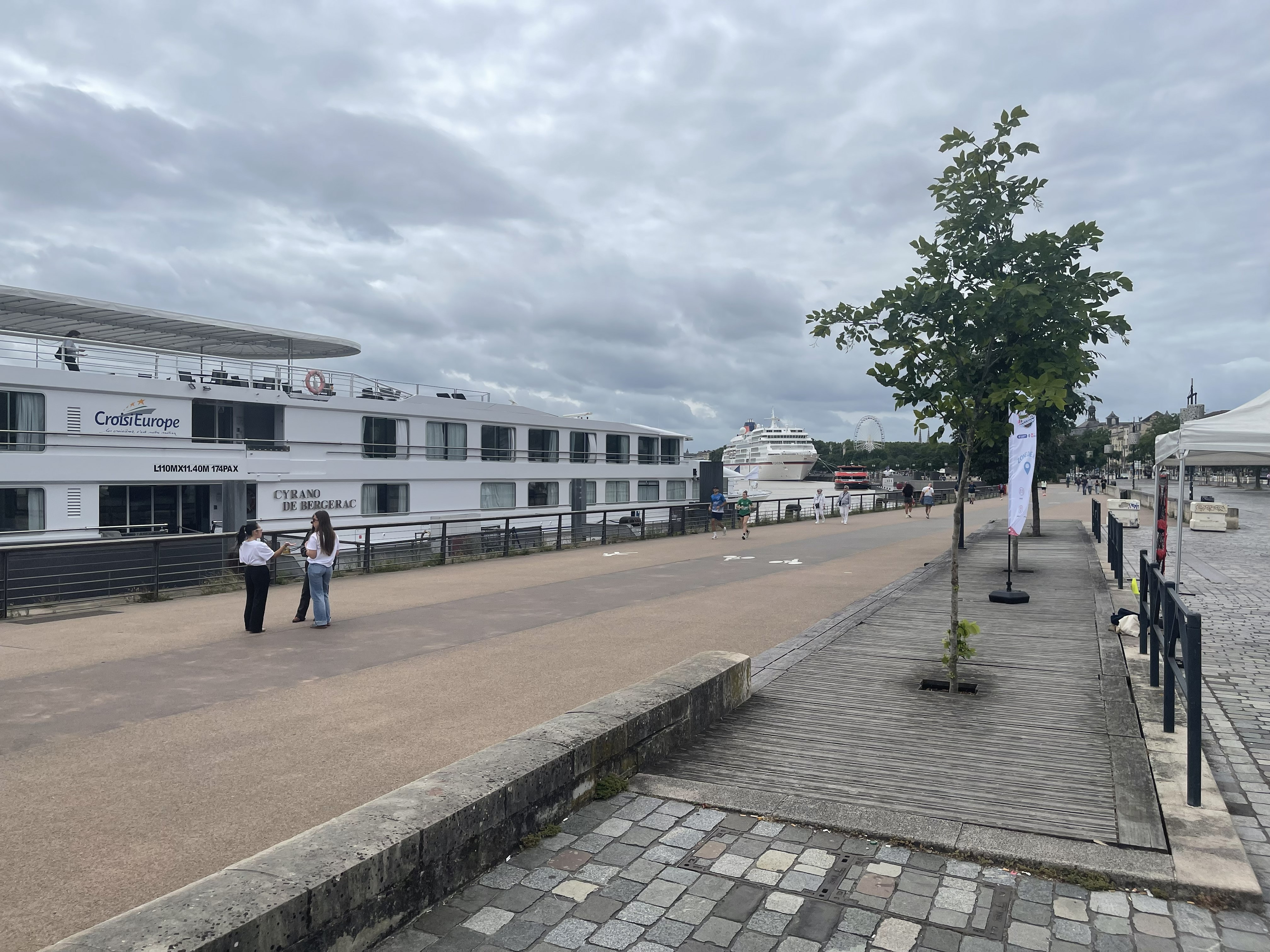
In the background the MS Europa
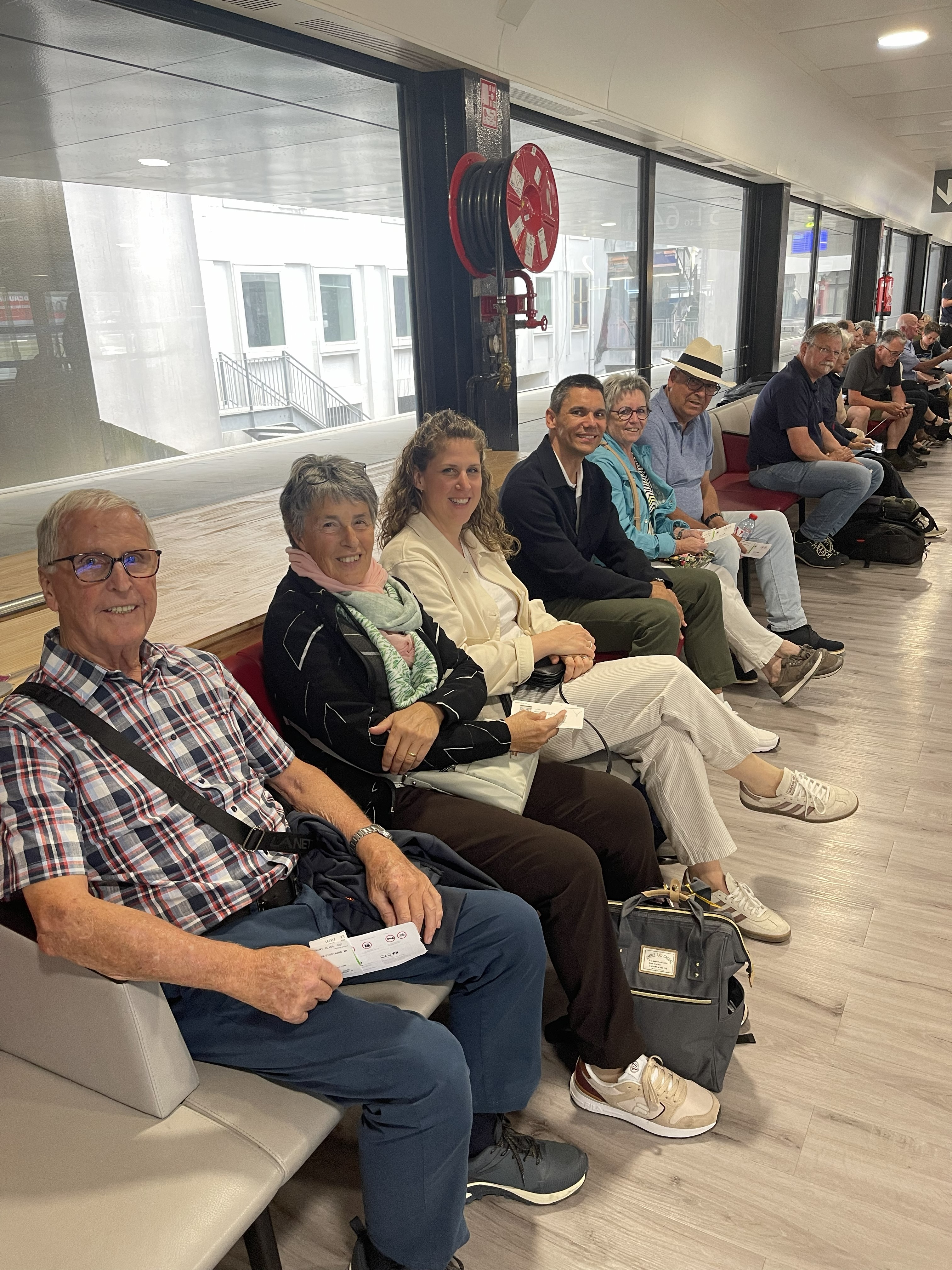
My Jass colleagues from GR / AG / ZH
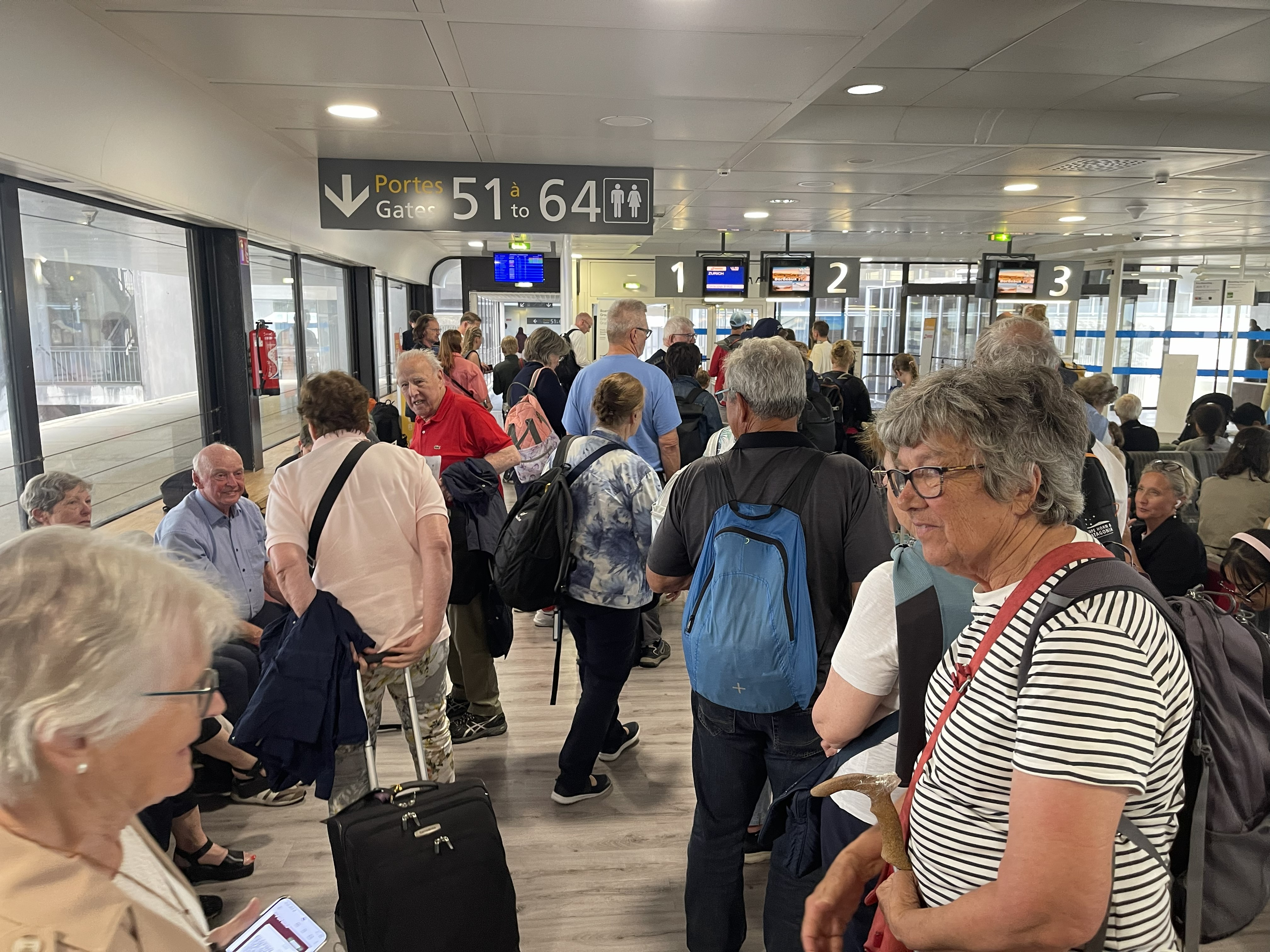
Shortly before departure in Bordeaux
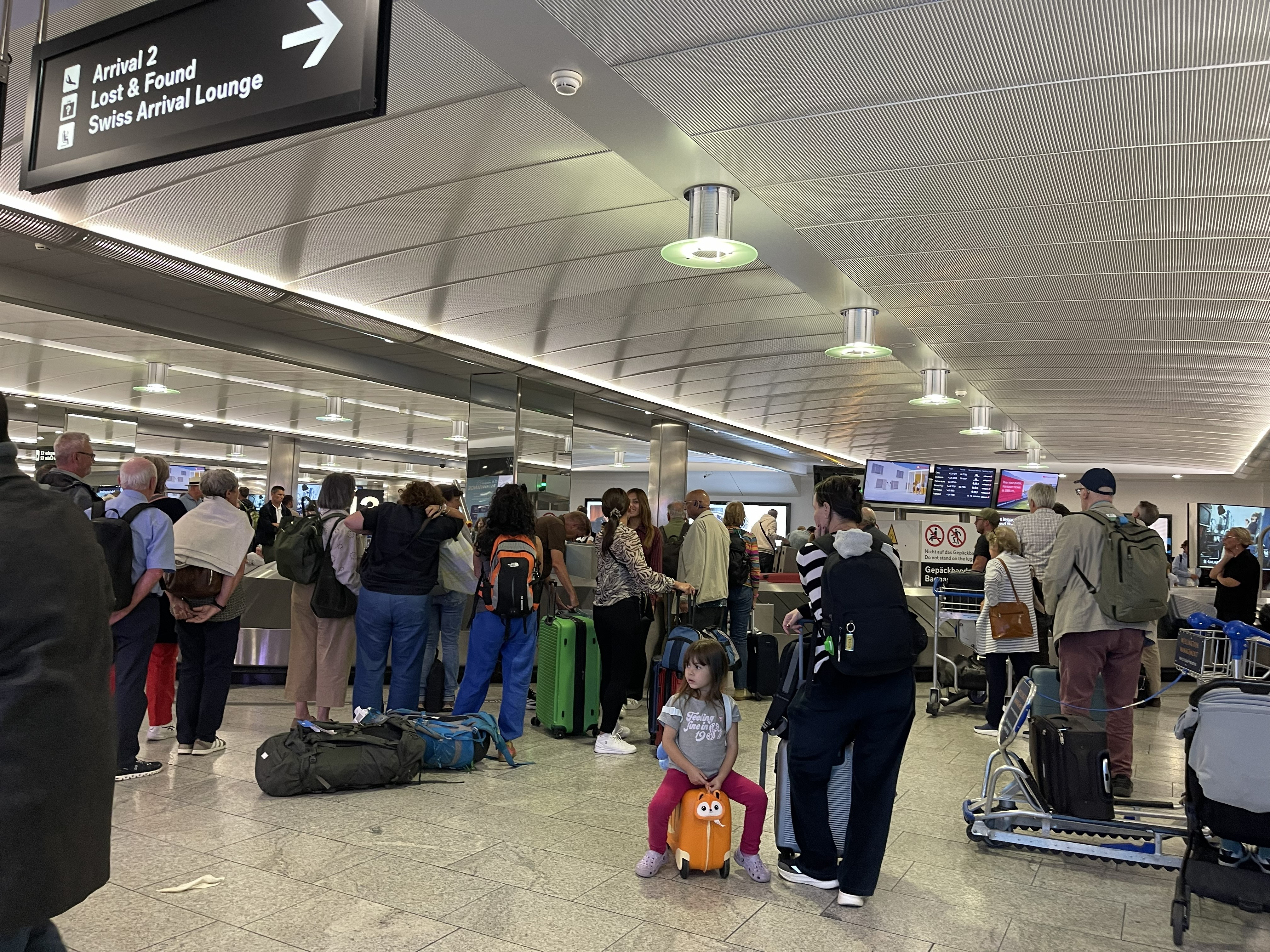
... everyone is waiting for their suitcases
Travel Impressions
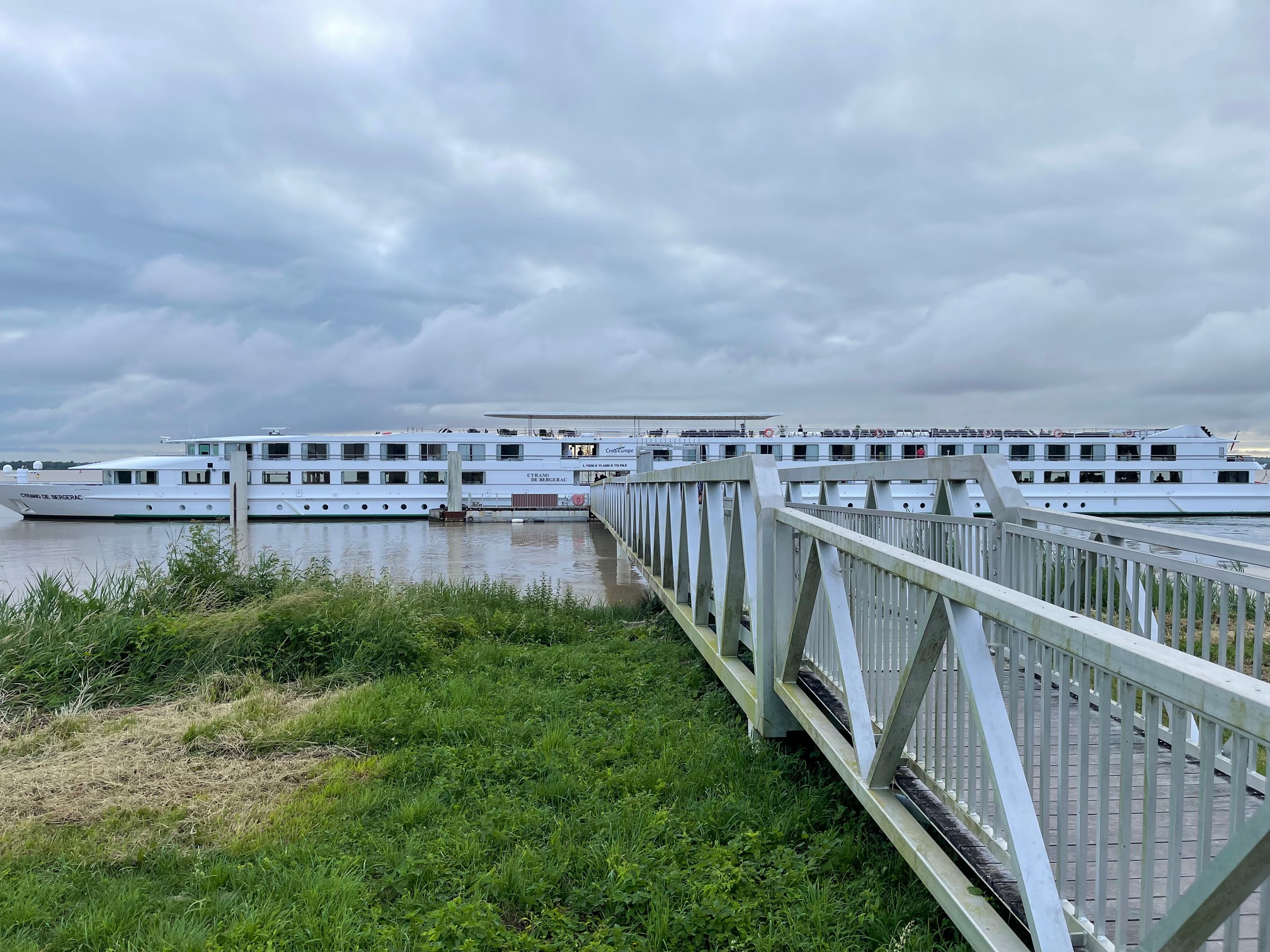
Cyrano de Bergerac.jpeg
Weinkarte.jpg
IMG_3702.jpg